


The Zero-Waste Kitchen Hero
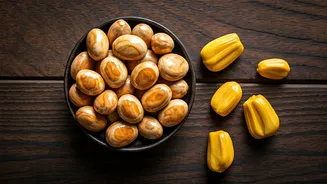
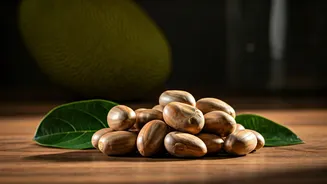
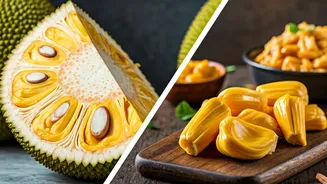
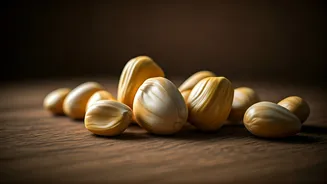
In a country where jackfruit is celebrated in pickles, curries, and as a fruit, its seeds are often forgotten. A single jackfruit can contain hundreds of seeds, and tossing them out is a missed opportunity. These oval-shaped kernels are not just edible;
they're a fantastic example of nose-to-tail, or in this case, fruit-to-seed, cooking. By using them, you're not only getting more value from your purchase but also embracing a sustainable, zero-waste approach in your kitchen. Traditionally used in various regional Indian cuisines, they are now being rediscovered as a versatile and resourceful ingredient.
A Surprising Nutritional Boost
Don’t let their humble appearance fool you; jackfruit seeds pack a serious nutritional punch. They are an excellent source of plant-based protein, complex carbohydrates, and dietary fibre. The fibre and resistant starch present in the seeds can aid digestion and help keep you feeling full for longer. They are also rich in important minerals like magnesium, which is crucial for bone health, and potassium, which helps regulate blood pressure. Furthermore, they contain B-complex vitamins like thiamine and riboflavin, which help your body convert food into energy.
Safety First: Always Cook Them
There is one golden rule when it comes to jackfruit seeds: they must always be cooked. Raw jackfruit seeds contain compounds known as antinutrients, such as tannins, which can interfere with your body's ability to absorb essential minerals and digest protein. The good news is that heat completely neutralises these compounds, making the seeds perfectly safe and delicious to eat. Eating them raw can lead to digestive discomfort, so whether you choose to boil, roast, or pressure cook them, ensure they are thoroughly cooked before consumption.
How to Prepare Your Seeds
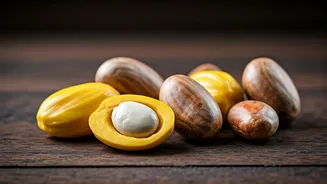
Preparing jackfruit seeds is simple. After separating them from the fruity pods, give them a good rinse. To Boil: Place the clean seeds in a pot and cover them with water. Bring to a boil and cook for 20-30 minutes, or until they are tender enough to be easily pierced with a fork. Drain and let them cool. To Roast: Preheat your oven to 200°C (400°F). Spread the seeds on a baking sheet and roast for about 20 minutes until they are cooked through. Once cooked and cooled enough to handle, you'll notice a pale, papery outer skin. This layer peels off easily. The thin, brownish skin underneath is perfectly edible, so there's no need to remove it.
From Simple Snack to Curry Star
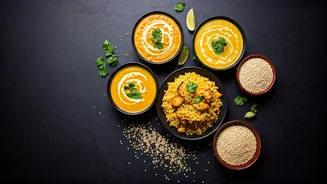
So, what do you do with your prepared seeds? The possibilities are endless. Their flavour is often compared to chestnuts or potatoes—mild, nutty, and slightly sweet. For a simple, satisfying snack, just toss the boiled or roasted seeds with a bit of salt and ghee. They are also a phenomenal addition to South Indian dishes like sambar or kurma, where they add a creamy texture. You can slice them and add them to stir-fries or mash them with garlic and spices to create a unique dip similar to hummus. Another traditional use is to dry the seeds and grind them into a nutrient-rich flour, which can be used to thicken gravies or incorporated into flatbread dough.