



The Rise of the Green Wave
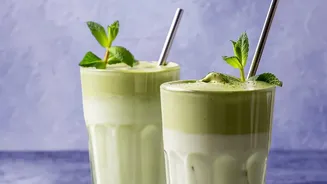
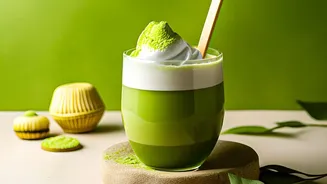
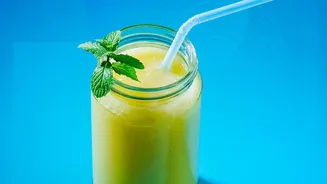
The drink leading this quiet revolution is the matcha latte. Made from finely ground powder of specially grown and processed green tea leaves, it has become a staple in third-wave coffee shops from Mumbai to Delhi and Bangalore. Unlike traditional green tea where
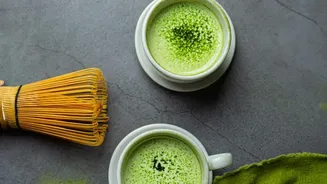
leaves are steeped and discarded, with matcha, you consume the entire leaf, delivering a concentrated dose of nutrients. Its preparation is a ritual in itself—a mindful whisking of bright green powder into a frothy, creamy beverage that stands in stark contrast to the quick, sharp jolt of an espresso shot. This “artisanal green latte” is part of a broader movement towards functional and aesthetically pleasing drinks, with cafes now experimenting with everything from strawberry matcha to other Asian-inspired beverages like roasted-green-tea hojicha.
A Different Kind of Buzz
A key reason for this shift lies in the type of energy matcha provides. While coffee delivers a potent, fast-acting caffeine kick that can sometimes lead to jitters and an afternoon crash, matcha offers what many describe as a “calm alertness”. This is thanks to an amino acid called L-theanine, which works in synergy with the caffeine. L-theanine promotes relaxation without drowsiness, smoothing out the caffeine spike and resulting in a more sustained, gentle energy boost that can last for hours. For a generation juggling deadlines, side hustles, and a desire for mental clarity, this promise of focused energy without the anxiety-inducing side effects of strong coffee is a powerful draw.
Driven by Wellness and Aesthetics
Today's beverage choice is about more than just taste or caffeine; it's a lifestyle statement. The wellness movement has prompted a generation to look for healthier alternatives to sugary drinks and even traditional coffee. Matcha fits this narrative perfectly. It is packed with antioxidants, particularly catechins like EGCG, which are linked to various health benefits. This health-conscious mindset is amplified by social media, where the visual appeal of a vibrant green latte is undeniable. On platforms like Instagram, a beautifully crafted matcha latte is not just a drink but a prop that signals wellness, intention, and being in-the-know. It’s an experience that is as much for the camera as it is for the palate.
How Cafes Are Responding
India’s specialty coffee chains have been quick to embrace this trend. Brands like Blue Tokai and Third Wave Coffee were among the first to add matcha lattes to their menus, positioning them as a premium, craft beverage alongside their single-origin coffees. This wasn't a gamble; it was a response to a clear demand. The Indian matcha market is one of the fastest-growing specialty beverage categories in the country, expanding at a rate that outpaces traditional tea and nearly matches specialty coffee. While iced coffee and cold brews still dominate in terms of volume, the rapid growth of matcha shows a significant diversification in taste. For cafes, it's a way to expand their menu, appeal to a health-focused demographic, and participate in a global trend.