








A Virtual Constellation in the Sky
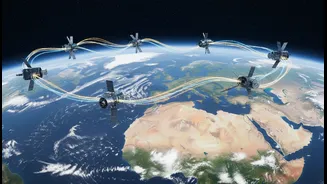
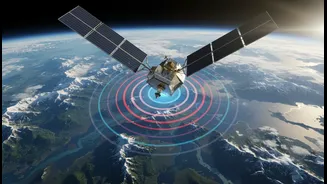
At the heart of this initiative is the BRICS Remote Sensing Satellite Constellation, a landmark agreement signed in 2021. This isn't a new network of satellites being launched into orbit. Instead, it’s a clever and efficient 'virtual constellation' that
combines the capabilities of existing satellites operated by member countries. The space agencies of Brazil, Russia, India, China, and South Africa agreed to share data from their Earth observation satellites. Following the expansion of the BRICS group, recent meetings have focused on amending the agreement to include new members like Egypt, Ethiopia, Iran, and the United Arab Emirates, further strengthening this collaborative network.
From Space Data to Ground Action
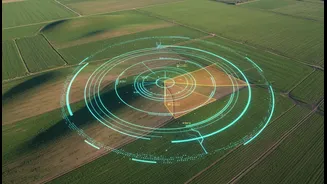
The mechanism is both simple in concept and powerful in practice. When a member country faces a major disaster, such as an earthquake, flood, or large-scale fire, it can request satellite imagery of the affected area. Other member nations then direct their satellites to capture and share relevant data. This provides emergency responders with crucial, near-real-time information that can help assess damage, plan rescue operations, and manage relief efforts. For example, Russia has previously provided satellite data to India to assist in the aftermath of earthquakes, while China shared imagery that helped Russia combat an oil spill. This system of mutual support ensures that a wider range of high-quality data is available more quickly than any single nation could achieve alone.
ISRO at the Forefront
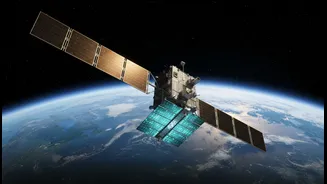
India, through the Indian Space Research Organisation (ISRO), plays a pivotal role in this collaboration. ISRO brings decades of expertise in building and operating world-class remote sensing satellites. India's own satellites, such as the Resourcesat-2 and 2A, are key components of the virtual constellation. These satellites are designed for sophisticated monitoring of natural resources and are exceptionally well-suited for disaster management applications. India has hosted key meetings of the BRICS space agencies, including a recent gathering in Bengaluru in June 2026, to advance the operational frameworks of the constellation and discuss the formation of a BRICS Space Council to institutionalize this cooperation further. This leadership role highlights India's position as a major space power committed to using its technological prowess for regional and global benefit.
More Than Just Disaster Relief
While the immediate goal is saving lives and property, the BRICS satellite constellation carries immense geopolitical significance. It represents a major step in South-South cooperation, demonstrating that developing nations can create and manage complex, high-tech systems independently. This initiative is a clear move towards technological sovereignty and creating alternatives to Western-dominated space frameworks. The collaboration helps reduce the technological asymmetries between member nations, allowing countries with less-developed space infrastructure to benefit from the expertise and data of more advanced partners. By working together, the BRICS nations are not just monitoring disasters; they are building a new model for international partnership in the 21st century.
Saving Lives and Livelihoods
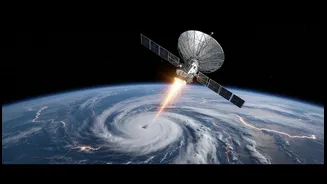
The real-world impact of this satellite data-sharing can be profound. For a country like India, with its long coastline, Himalayan glaciers, and monsoon climate, the ability to access multi-satellite data is a game-changer for monitoring cyclones, glacial lake outbursts, and large-scale flooding. For Brazil, it offers another tool to monitor deforestation and wildfires in the Amazon. For South Africa, it can aid in managing droughts and water resources. The applications extend beyond disasters to long-term challenges like environmental protection and monitoring the effects of climate change. By turning satellite data into actionable intelligence, the BRICS space agencies are building a resilient infrastructure that protects their populations and economies from an uncertain future.