






The Allure of a Scented Home
A home’s fragrance is a powerful, unseen element of its design. Scent has a direct line to our emotions and memories, capable of making a space feel welcoming, calming, or energizing. It’s the final touch that transforms a house into a home, creating
a signature atmosphere that’s uniquely yours. Whether it’s the warm embrace of sandalwood in the living room or the clean, fresh scent of herbs in the kitchen, fragrance helps tell your home’s story. The goal is to create an environment that feels intentional and balanced, where scent enhances the experience of being in a room.
The Common Window Mistake
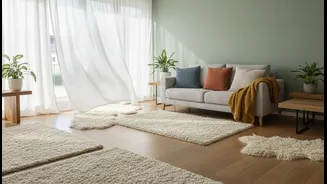
It seems logical to place a diffuser, scented candle, or fragrant plant by a window. The idea is that the breeze will carry the aroma throughout the room. However, this is often a mistake. Placing a scent source near an open window means a significant portion of the fragrance simply escapes outside. Heat and direct sunlight from a window can also cause fragrance oils in diffusers and candles to evaporate too quickly, shortening their lifespan and weakening their effect. Rather than filling your room, you end up perfuming the neighbourhood while your scent investment disappears into thin air.
Understanding How Scent Travels
To master home fragrance, it helps to think like a perfumer. Scent molecules travel on air currents. In a room, air is constantly moving, influenced by temperature changes, drafts, and the movement of people. Placing a fragrance in the middle of a high-traffic area or near an internal air vent can help distribute it effectively. But for a more deliberate and impactful experience, the key is not just dispersal, but targeted placement. The concept of 'fragrance zoning'—using specific scents in specific areas—is a technique used by interior designers to match a fragrance to a room's function.
Why Seating Areas Are the Sweet Spot
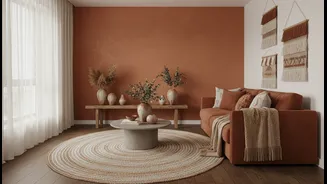
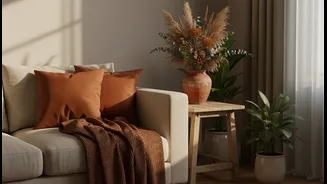
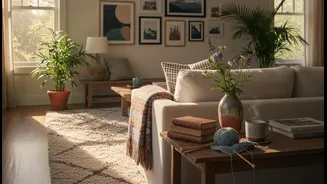
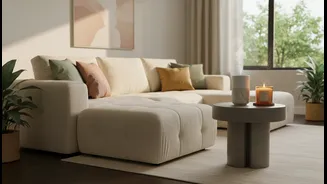
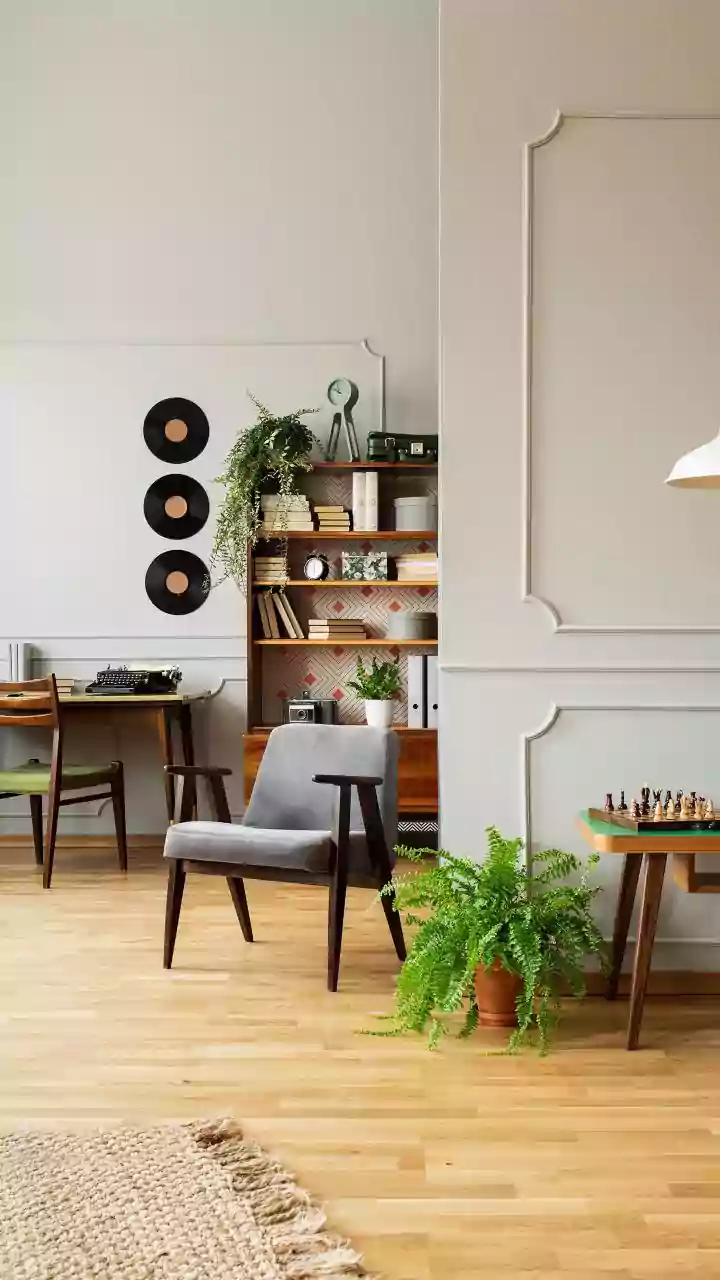
Placing strong scents near where people sit—sofas, armchairs, reading nooks—is the most effective strategy. This creates an intimate 'scent bubble' that you experience fully when you are relaxing or socializing. Instead of trying to scent an entire large room, you are focusing the fragrance where it will be most appreciated. This approach allows the aroma to be a gentle, enveloping presence rather than a faint, distant note. It's the difference between walking past a bakery and sitting down inside one; the experience is richer and more immersive when you are close to the source.
Strategic Scents for Social and Quiet Spaces
The type of scent you choose should complement the area. For living rooms and social seating areas, opt for warm, inviting, and layered fragrances. Notes of sandalwood, amber, soft vanilla, or fig create a cozy, welcoming atmosphere. In a quiet reading corner or bedroom, softer, calming aromas like lavender, chamomile, or clean linen are more appropriate to promote relaxation. For fragrant plants, consider those whose scent is released when their leaves are touched, like scented geraniums or rosemary; placing them near a walkway or armchair encourages this interaction.
Achieving Balance and Avoiding Overload
The aim is to enhance, not overwhelm. Too much fragrance can be cloying and cause headaches. Start with one scent source per zone and choose fragrances with complementary notes if they are in adjacent areas. In larger, open-plan spaces, you might use two diffusers at diagonal corners to create a consistent 'scent canopy' without any dead zones. Remember that subtlety is key; the best home fragrance is one that complements the space without announcing itself too loudly. It should feel like a natural part of the environment, a gentle whisper rather than a shout.