





Rethink Your Watering Routine
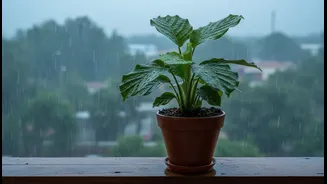
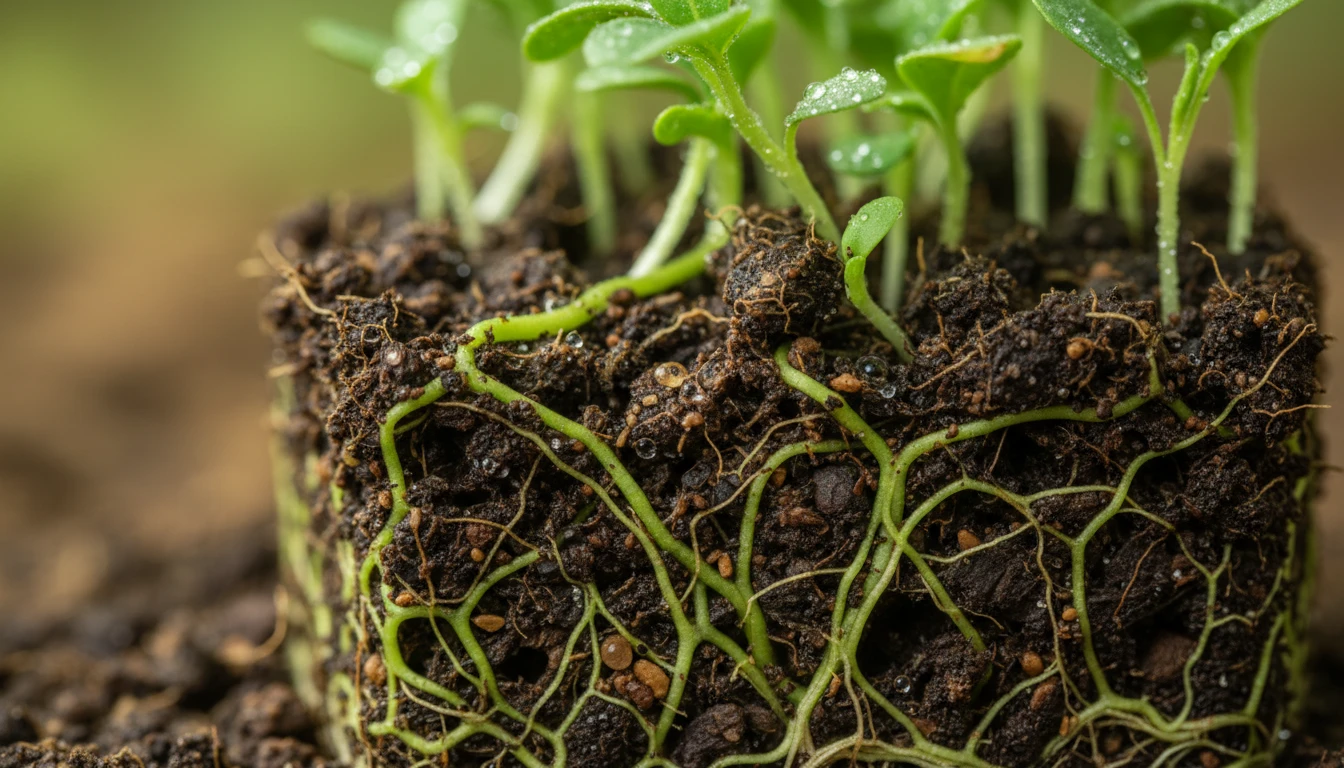
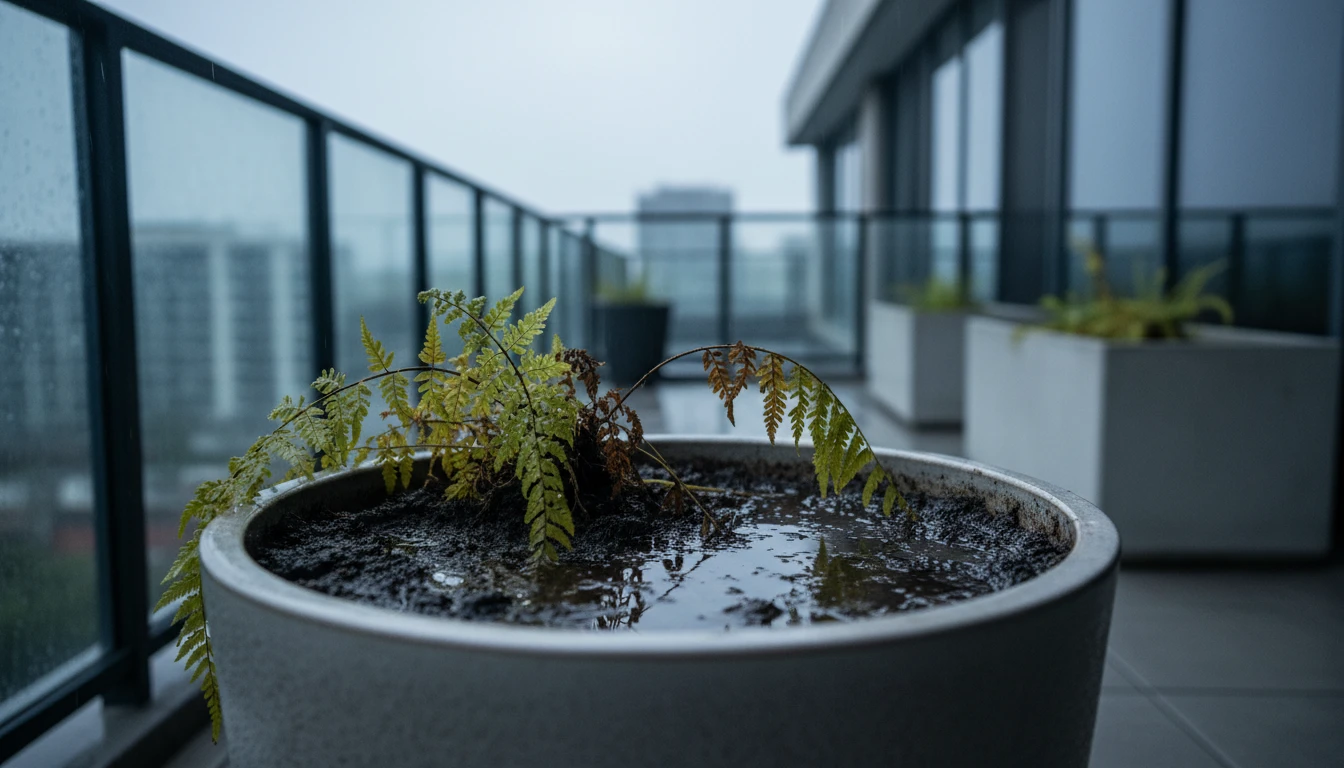
The single biggest mistake gardeners make during the monsoon is overwatering. With high humidity and frequent rain, the soil stays moist for much longer. Sticking to a daily watering schedule is a recipe for disaster, leading to waterlogged soil that
suffocates roots and causes root rot. Before you even think about watering, check the soil. The best method is simple: stick your finger about an inch or two into the soil. If it feels dry at that depth, it's time to water. If it's damp, leave it alone. On days with heavy rain, your plants won't need any extra water at all. Remember, roots need oxygen as much as they need water.
Focus on Drainage Above All
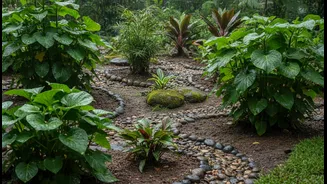
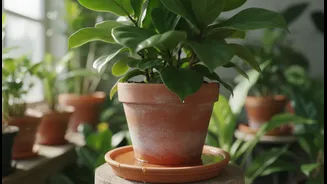
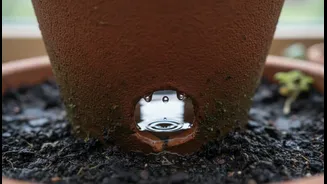
Excellent drainage is non-negotiable during the rainy season. Waterlogged pots are a primary cause of plant death. Before the monsoon truly sets in, inspect every pot. Ensure the drainage holes are clear and not blocked by compacted soil or debris. You can elevate your pots on bricks or pot feet to ensure water can escape freely and prevent them from sitting in stagnant water. For garden beds, adding organic matter like compost can improve soil structure and prevent water from pooling. If you have particularly heavy clay soil, consider creating raised beds for better control over drainage.
Manage Sunlight and Shelter
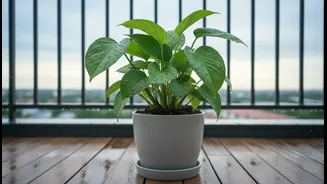
While the monsoon brings water, it also brings overcast skies, reducing the hours of direct sunlight. For sun-loving plants, this can be a challenge. Try to move potted plants to the brightest spot you have, like a west-facing window or balcony, to maximize the light they receive. At the same time, heavy downpours and strong winds can physically damage plants, breaking stems and tearing leaves. For delicate or vulnerable plants, providing some form of shelter during intense storms can be a lifesaver. This could mean moving pots to a covered patio or under an overhang until the worst of the weather passes.
Stay Vigilant Against Pests and Fungi
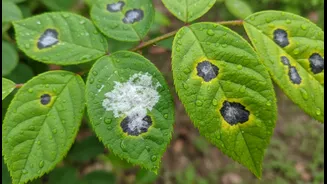
The warm, humid, and damp conditions of the monsoon are a perfect breeding ground for fungal diseases and pests. Powdery mildew, leaf spot, and root rot are common fungal issues. Pests like slugs, snails, and mealybugs also thrive. Prevention is your best strategy. Improve air circulation by pruning dense foliage and avoiding overcrowding plants. Always water the soil at the base of the plant, not the leaves, to help prevent fungal spores from taking hold. A preventive spray of neem oil (about 5 ml mixed in a litre of water) every 10-15 days can effectively keep many common pests and fungal issues at bay. Also, make it a habit to regularly remove any yellowing or diseased leaves to stop infections from spreading.
Fertilise Lightly and Organically
Plants need nutrients, but fertilising during the monsoon requires a different approach. Heavy rains can quickly wash away chemical fertilisers from the soil, meaning your plant gets none of the benefits and the runoff pollutes the environment. Furthermore, waterlogged roots cannot effectively absorb nutrients, which can lead to fertiliser burn. During the monsoon, it's best to switch to slow-release organic options like vermicompost or compost. Apply these lightly to the topsoil. Feed your plants only during dry spells, never right before or during heavy rain, to ensure the nutrients have a chance to be absorbed.