



What Exactly Is Premium Economy?
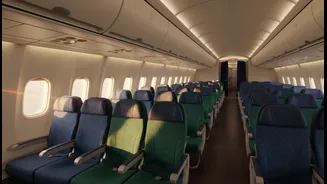
First, let's be clear: premium economy is a separate, distinct cabin class, not just an economy seat with a bit more legroom. Introduced in the early 1990s, it was designed to bridge the gap between the affordability of economy and the luxury of business
class. You'll find it in a smaller, dedicated cabin, usually situated between business and economy, which means less foot traffic and a quieter environment. The key difference lies in the holistic upgrade. While offerings vary between airlines, you're generally buying a package that includes a better seat, enhanced service, and priority treatment at the airport. This is especially prevalent on long-haul international routes, and is now a growing feature on key domestic routes in India with carriers like Air India.
More Than Just a Bigger Seat
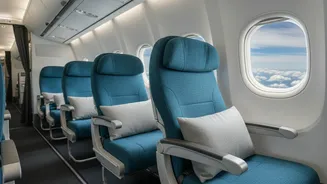
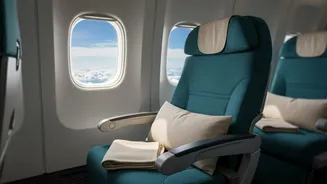
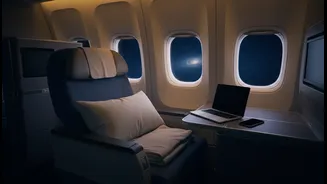
The most noticeable upgrade is the seat itself. Expect about five to seven inches of extra legroom (seat pitch) and a seat that is one to two inches wider than its economy counterpart. It will also recline further, making it easier to rest on long flights. But the perks extend beyond physical space. Premium economy fares often bundle in benefits that economy passengers have to pay extra for. This typically includes priority check-in, security, and boarding, as well as a more generous baggage allowance—often two checked bags for international flights. Onboard, you can expect an upgraded meal service, complimentary drinks, a larger personal entertainment screen, and an amenity kit on many flights.
The Crucial Question: What's the Price?
This is where the "right fare" part of the equation becomes critical. There's no fixed formula for premium economy pricing. The cost can fluctuate wildly, from a modest 30% more than an economy ticket to well over double the price, depending on the route, airline, and how far in advance you book. On Indian domestic routes, the premium can range from ₹2,500 to ₹6,000 over an economy ticket. A good rule of thumb is that if the premium is less than 50% of the economy fare, it often represents strong value. Once the price difference starts creeping toward 100% or more, you have to seriously weigh the benefits against the cost.
When Is the Upgrade Worth the Splurge?
The decision to upgrade is personal, but certain scenarios make a compelling case for premium economy. For long-haul flights, especially those over eight hours or overnight, the extra space and recline can be the difference between arriving exhausted and arriving rested. If you're tall, the extra legroom isn't just a luxury; it's a necessity for comfort. Daytime long-haul flights are another sweet spot, as you'll be awake to enjoy the enhanced food, service, and entertainment for the entire journey. For business travellers whose companies won't spring for business class, it's an excellent compromise that allows you to work or rest more effectively. And finally, for a special occasion like a honeymoon or a milestone birthday, it’s a way to elevate the travel experience without completely emptying your wallet.
Finding the 'Right Fare' Advantage
Securing a premium economy seat at a smart price requires strategy. The most straightforward tactic is to book well in advance, especially if your travel dates are fixed. However, keep an eye out for airline sales, which can bring premium fares down to more attractive levels. Another strategy is to look for upgrade offers. Some airlines allow you to bid for an upgrade closer to the departure date or offer a fixed-price upgrade during online check-in. This can be a cost-effective way to move up if there are unsold seats. Using frequent flyer miles is also a powerful tool; the mileage difference to upgrade from economy to premium economy can sometimes be a better value proposition than booking a business class award ticket. Finally, remember that not all premium economy products are created equal, so a little research on the specific airline and aircraft can ensure you get the value you expect.