




Understanding Spiti’s Extreme Environment
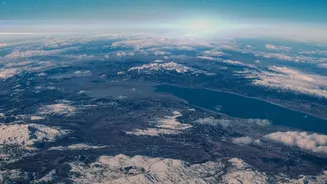
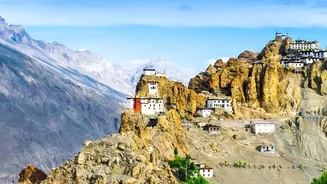
Spiti Valley is a high-altitude cold desert where the main town, Kaza, sits at approximately 3,800 metres (12,500 feet). At this elevation, the air contains significantly less oxygen—about 60-65% of what's available at sea level. This thin air poses the primary
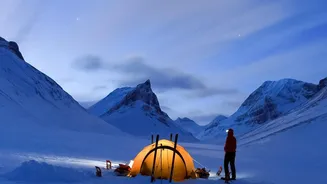
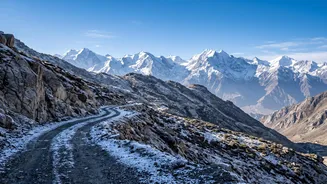
challenge for travellers: Acute Mountain Sickness (AMS). Compounding this is the cold. While summer days can be pleasant, night temperatures, even in June, can drop to around 5°C. In shoulder months like October, it can plummet to -5°C or lower, making stargazing a physically demanding activity. Winter nights routinely hit -20°C to -25°C. These two factors—low oxygen and extreme cold—are why preparation is non-negotiable.
The Oxygen Question: Acclimatization First
Your body's best defence against low oxygen is acclimatization, the process of gradually adjusting to higher elevations. Rushing your ascent is the single biggest cause of AMS. Symptoms of AMS resemble a bad hangover: headache, nausea, dizziness, and fatigue. If you feel these, you must not ascend further until they subside. The safest way to travel to Spiti is via the Shimla-Kinnaur route, which allows for a slow and steady climb over several days. Portable oxygen canisters can provide short-term relief, but they are an emergency backup, not a substitute for proper acclimatization. If symptoms become severe, such as confusion or breathlessness at rest, the only effective treatment is immediate descent to a lower altitude.
The Art of Layering: A Three-Part System
Staying warm while stargazing for hours requires a smart layering strategy, not just one thick jacket. The goal is to trap body heat while wicking away moisture. The system has three core components. First is the base layer, a snug-fitting thermal made of merino wool or a synthetic fabric that pulls sweat away from your skin; cotton should be avoided as it holds moisture and makes you colder. Second is the mid-layer, which provides insulation. This is typically a fleece jacket, a down vest, or a wool sweater. You might even use two mid-layers in extreme cold. The final piece is the outer layer or shell, which should be a windproof and waterproof jacket that protects you from the elements. This system allows you to add or remove layers to regulate your temperature perfectly.
Protecting Your Head, Hands, and Feet
Your body prioritises keeping your core warm, which means your extremities—head, hands, and feet—are the first to get cold. Unprotected, they are highly susceptible to frostbite. A warm, insulated hat or beanie is essential, as you lose a significant amount of heat through your head. For your hands, a dual-layer approach works best: a thin pair of liner gloves inside a thicker, insulated, and windproof pair of gloves or mittens. For your feet, wear thick wool socks inside well-insulated, waterproof boots with a good grip. Never wear cotton socks. It is also wise to bring a balaclava or neck gaiter to protect your face and neck from biting winds, especially when standing still for long periods under the stars.
Putting It All Together for a Perfect Night
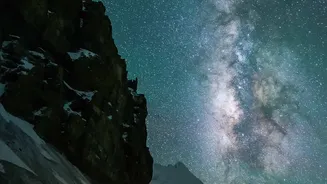
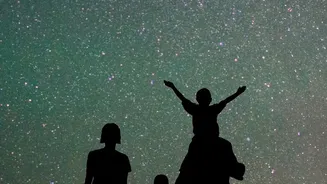
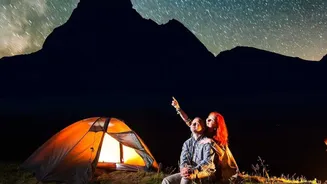
With your body acclimatized and your layers sorted, you are ready to enjoy Spiti's celestial show. Find a spot sheltered from the wind. An insulated mat to sit or lie on will prevent the cold ground from sapping your body heat. A flask of a warm, non-alcoholic beverage like herbal tea or hot water can provide comfort and aid hydration. Remember to stay hydrated throughout your trip, aiming for 3-4 litres of water daily to help your body manage the altitude. Proper preparation transforms stargazing from an endurance test into a magical experience. Being warm and comfortable allows you to fully immerse yourself in the profound beauty of the Himalayan night sky without putting your health at risk.