


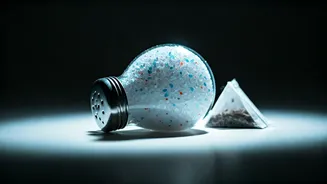


The Hidden Plastic in Your Cup
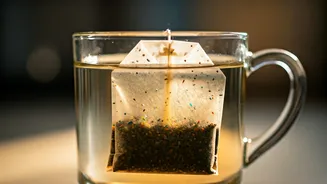
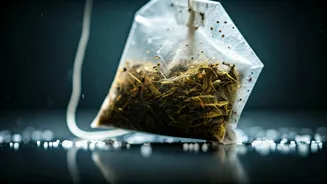
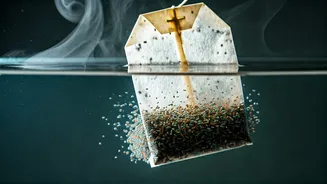
The problem often lies with the tea bag itself, particularly the premium 'silken' or pyramid-shaped bags that have become popular for allowing tea leaves to unfurl. While they might look like they are made of fine mesh or paper, many are crafted from
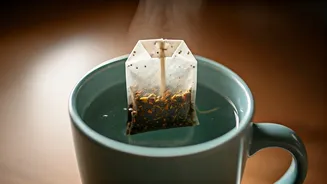
food-grade plastics like polyethylene terephthalate (PET) or nylon. Even traditional paper tea bags are not always exempt. To prevent them from bursting open in hot water, many manufacturers use a small amount of polypropylene plastic to heat-seal the edges. This means that with every steep, you might be unknowingly dipping a small amount of plastic into your boiling water.
What the Science Says
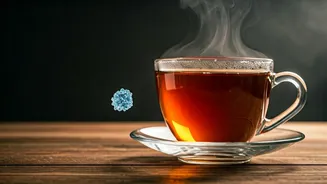
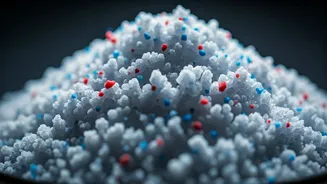
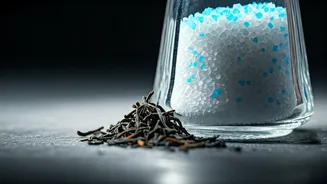
The idea of plastic in tea isn't just speculation; it's backed by startling research. A landmark 2019 study by researchers at McGill University in Canada brought this issue to light. They took four different commercial tea bags made of plastic, removed the tea leaves, and steeped the empty bags in water at 95°C. Using powerful electron microscopes, they discovered that a single plastic tea bag could release approximately 11.6 billion microplastic and 3.1 billion nanoplastic particles into the water. For perspective, these levels are thousands of times higher than the amounts of microplastics previously reported in other foods and beverages like bottled water or salt.
The Unanswered Health Question
The big question, of course, is what this means for our health. The truth is, scientists are still trying to figure that out. The long-term effects of ingesting microplastics are largely unknown, and it's a major area of ongoing research. However, preliminary studies on animals and human cells have raised concerns. They suggest potential links between microplastic exposure and issues like inflammation, gut microbiome disruption, and hormonal imbalances. While the World Health Organization notes there's currently limited evidence to prove significant harm from current exposure levels, it also acknowledges that there are major gaps in our understanding. We know we are consuming these particles, but the full story of their impact on the human body is yet to be written.
Not All Tea Bags Are Created Equal
The good news is that not every tea bag on the shelf poses the same risk. The key is to know what you are buying. Pyramid-style bags made from nylon or PET are the primary culprits identified in research. Paper bags that are stapled or stitched shut are generally a safer bet than those that are heat-sealed with plastic. Some companies are also moving toward tea bags made from materials like corn starch (PLA) or abaca (a plant fibre), which are marketed as biodegradable and plastic-free. However, reading the packaging and brand websites is crucial to understand what your chosen tea bag is really made of.
How to Brew a Plastic-Free Cup
If you're concerned about microplastics in your tea, there are simple and effective ways to avoid them. The most foolproof method is to switch to loose-leaf tea. Brewing your own tea using a stainless steel, ceramic, or glass infuser completely eliminates the bag from the equation. For those who value the convenience of tea bags, look for brands that explicitly market themselves as '100% plastic-free' or 'biodegradable'. In India, several brands now offer tea bags made from materials like unbleached filter paper, cotton, or corn fibre, often sealed with cotton thread instead of plastic. A little research before you shop can ensure your comforting tea ritual remains just that—comforting.