






Expand Your Territory Vertically
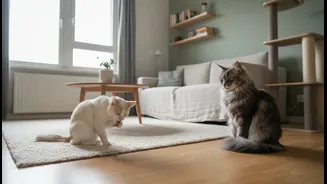
In a single-room apartment, floor space is a finite luxury. For cats, however, territory isn't just horizontal. Feline behavior experts emphasize that vertical space is crucial for harmony in multi-cat homes. Adding tall cat trees, wall-mounted shelves,
and window perches creates new pathways, resting spots, and lookout points. This expansion of territory allows cats to establish their own zones and avoid each other without conflict. One cat might prefer a high perch on a bookshelf, while another claims a spot on a cat condo. By thinking in three dimensions, you effectively multiply the available territory, reducing the stress that comes from forced proximity and giving each cat a sense of control and security.
The Golden Rule of Resources
Most conflict between cats stems from competition over essential resources. To prevent disputes, you must provide an abundance of everything. The widely accepted formula is to have one of each key resource per cat, plus one extra. This applies to litter boxes, food bowls, water dishes, and even desirable resting spots. Crucially, these resources must be placed in separate locations throughout the apartment. Grouping all the litter boxes in one corner makes them a single resource in a cat's mind, which can be guarded by a more assertive cat, blocking access for others. By spreading out food, water, and litter boxes, you ensure that every cat can access what it needs without having to cross another cat's path or engage in a confrontation.
Mastering the Scent Introduction
Cats navigate their world through scent, which is their primary form of communication. Forcing a face-to-face meeting is a recipe for disaster. Instead, a slow and steady introduction process built on scent swapping is key. When bringing a new cat home, it should be kept in a separate, secure room initially. You can then begin to exchange scents by rubbing a cloth or sock on each cat and placing it in the other's space to investigate on their own terms. This allows them to gather information and grow accustomed to the other's presence without the threat of a physical encounter. Some behaviorists note that this should be done carefully to avoid a sense of invasion. After several days of positive or neutral reactions to the scents, you can proceed to swapping the cats' locations, letting each explore the other's space before ever meeting visually.
Facilitate Positive Associations
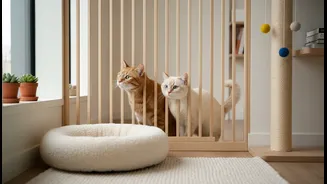
Once your cats are comfortable with each other's scents, the next step is to build positive associations. This means encouraging them to equate the presence of the other cat with good things, like treats, meals, or playtime. You can start by feeding them on opposite sides of a closed door. As they remain calm, you can gradually open the door just a crack or use a baby gate or screen door for visual introductions. Engage both cats in a simultaneous play session with wand toys, keeping a safe distance between them. The goal is for them to see each other while experiencing something enjoyable. These shared positive experiences, repeated over time, help rewire their brains to view each other as companions rather than competitors.
Managing and De-escalating Conflict
Even with the best preparation, disagreements can happen. It's vital to recognize the subtle signs of tension—such as staring, blocking, or a stiff body posture—before it escalates to hissing, swatting, or fighting. Never punish the cats for this behavior, as it can increase fear and anxiety, making the problem worse. Instead, calmly and gently interrupt the interaction by creating a distraction. You can toss a favorite toy in another direction or use a calm voice to lure one of the cats away. If a fight does occur, make a loud noise to startle them apart and then separate them into different areas to cool down. Lasting harmony is built on a foundation of safety, so ensuring interactions remain as stress-free as possible is paramount.