



The First Sign: A Wall of Silence
A cockpit emergency often begins not with a bang, but with silence. Cabin crew are trained to maintain regular communication with the flight deck. If routine calls go unanswered, or if scheduled announcements are missed, it’s an immediate red flag. This
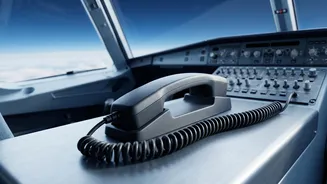
lack of contact is the first indicator that something could be seriously wrong. Flight attendants are hyper-vigilant to the aircraft's normal operational sounds and rhythms. An unusual silence triggers a specific protocol, starting with attempts to contact the pilots via the interphone system. They are trained to recognise the difference between a busy flight deck during a critical phase of flight—like takeoff or landing, governed by the 'Sterile Cockpit Rule' where non-essential communication is forbidden—and an unresponsive one.
Protocol for Entry: The Emergency Code
If repeated attempts to contact the pilots fail, the cabin crew must assume an incapacitation event has occurred. Since the 9/11 attacks, cockpit doors are reinforced and kept locked to prevent unauthorised access. However, cabin crew have an emergency method to enter. They can use a special code on a keypad located outside the door. This doesn't unlock it immediately. An alarm sounds inside the cockpit, giving a conscious pilot a set amount of time (e.g., 30 seconds) to deny the entry request. This feature prevents the system from being used under duress. If there is no response from within, the door automatically unlocks after the time delay, allowing the crew to access the cockpit and assess the situation.
Assisting the Pilot in Command
Once inside, the scenario dictates their actions. If one pilot is incapacitated, the first priority is to ensure they are not obstructing the flight controls. With the help of another crew member, they will secure the incapacitated pilot. This involves pulling their seat back, locking it, and securing them firmly with the seatbelt and shoulder harness so they cannot interfere with the remaining pilot's ability to fly the aircraft. The cabin crew's role then shifts to support. They will administer first aid, such as oxygen, and coordinate with the remaining pilot. A flight attendant may be asked to remain in the cockpit to help with non-flying duties, such as reading checklists or handling communications, under the pilot's direct instruction.
Managing the Cabin: The Other Half of the Emergency
While one or two crew members assist the flight deck, the rest of the team has the equally critical job of managing the passengers. Their goal is to maintain a calm and controlled environment, which is crucial for a safe emergency landing. The crew will secure the cabin, ensuring all galleys are safe and passengers are seated with their seatbelts fastened. They provide clear, assertive instructions and project an air of confidence, which is a core part of their training, to prevent panic from spreading. If an emergency landing is imminent, they will brief passengers on the brace position and prepare them for a possible evacuation, all while coordinating with the flight deck on the situation's progress.
First Responders at 35,000 Feet
In the gravest of scenarios, where all flight crew members become incapacitated, the cabin crew are trained to initiate and lead an emergency evacuation on their own. Their extensive training covers everything from firefighting and medical aid to managing crowd control during a high-stress evacuation. They know how to operate emergency exits, deploy slides, and guide passengers to safety, prioritising those who need extra assistance. This highlights their fundamental purpose: they are not service staff, but highly trained first responders whose skills are designed to function under the most extreme pressure. Their ability to take charge can be the decisive factor in the outcome of an in-flight emergency.