





The Price of Leaving Earth
For as long as humans have travelled to space, we have known it takes a toll on the body. Astronauts returning from missions face a catalogue of health issues. Their bones lose density at an alarming rate, sometimes over one percent per month. Their muscles
atrophy from lack of use in microgravity. Their immune systems weaken, their cardiovascular systems are strained, and they face increased risks from space radiation. For decades, doctors and space agencies have treated these as separate problems to be managed one by one: exercise for muscle loss, dietary supplements for bones, and shielding for radiation. But what if many of these seemingly distinct problems were all connected to a single, underlying cause?
The Body's Tiny Powerhouses
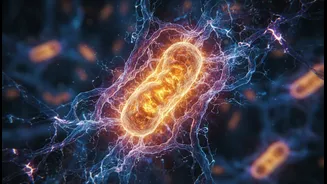
To understand the breakthrough, we need to look inside our own cells. Every cell in your body contains thousands of tiny structures called mitochondria. Often called the ‘powerhouses’ of the cell, their main job is to convert the food we eat into the energy that fuels everything we do, from thinking to moving to healing. When mitochondria function well, the body thrives. When they are damaged or dysfunctional, cells can’t get the energy they need, leading to a cascade of problems in the tissues and organs they make up. This cellular energy crisis can contribute to a wide range of diseases on Earth, including aging-related disorders. It appears the same is true in space.
A Unifying Discovery
In a landmark series of studies, a global team of scientists coordinated by NASA made a pivotal discovery. By analysing a vast database of biological samples from dozens of astronauts, including data from the famous NASA Twin Study, as well as from mice flown in space, they found a common thread. Across different missions and different biological systems—from liver and muscle tissue in mice to blood and urine samples from humans—one thing kept showing up: mitochondrial stress. The harsh environment of space, with its combination of microgravity and radiation, was causing widespread damage to these cellular powerhouses. Whether looking at immune system dysfunction or cardiovascular changes, the evidence pointed back to the mitochondria.
From Many Problems to One Target
This realisation is a game-changer for space medicine. Instead of playing a complex game of whack-a-mole—tackling bone loss with one strategy and immune issues with another—researchers may now have a single, unified target. If mitochondrial dysfunction is the central hub for the biological impact of spaceflight, then protecting the mitochondria could be the key to protecting the astronaut. This opens the door to developing new countermeasures, from specialised diets and supplements to targeted pharmaceuticals that can shield mitochondria from damage or help repair them. It transforms the problem from a dozen separate challenges into one focused objective: keep the power on at a cellular level.
A New Frontier for Indian Astronauts
This research is not just crucial for NASA or Roscosmos; it is fundamentally important for India's own spacefaring ambitions. As ISRO moves forward with its Gaganyaan mission, which aims to send Indian astronauts, or 'vyomanauts', into orbit, ensuring their health and safety is the highest priority. The successful tests of the crew module are a major step, but the biological challenge of long-duration spaceflight remains. Understanding the central role of mitochondria provides a vital scientific roadmap for ISRO's human spaceflight programme. By leveraging this knowledge, India can develop its own protocols and countermeasures to protect its astronauts, paving the way for more ambitious missions to the Moon and beyond in the coming decades.