


The Science of Ripening
At the heart of the ripening process is a gaseous plant hormone called ethylene. Bananas, being a type of climacteric fruit, produce ethylene to trigger a cascade of internal changes. This hormone activates enzymes, like amylase, which begin to break
down the complex starches stored within the fruit. As these starches are dismantled, they convert into simple sugars—namely sucrose, glucose, and fructose. This is why a firm, starchy green banana becomes a soft, sweet yellow one. The process continues until the peel develops brown spots, indicating that nearly all the starch has turned into sugar.
What is Resistant Starch?
The primary carbohydrate in an unripe, green banana is resistant starch. As the name suggests, this type of starch 'resists' digestion in your small intestine. Instead of being broken down into sugar and absorbed quickly, it travels to the large intestine, where it functions more like a dietary fibre. In the colon, it becomes food for beneficial gut bacteria. This fermentation process produces short-chain fatty acids, like butyrate, which are crucial for maintaining a healthy gut lining and can help reduce inflammation.
Green Bananas: The Gut-Friendly Choice
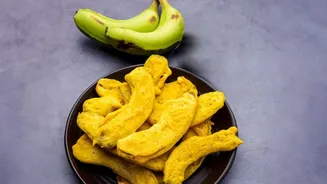
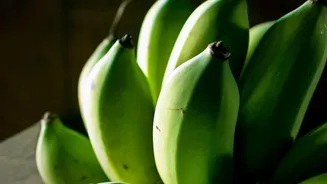
Because they are packed with resistant starch, green bananas are an excellent choice for gut health and blood sugar management. Their high resistant starch and pectin content slows down digestion, promoting a feeling of fullness and preventing sharp spikes in blood sugar. Unripe bananas have a low glycemic index (GI), typically around 30-42, meaning they release glucose into the bloodstream slowly and steadily. This makes them a favourable option for individuals managing their blood sugar levels. The downside for some is their firm, waxy texture and less sweet, slightly bitter taste.
Yellow Bananas: The Quick Energy Source
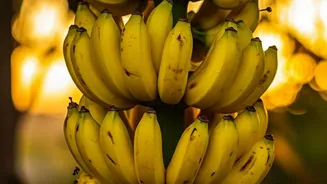
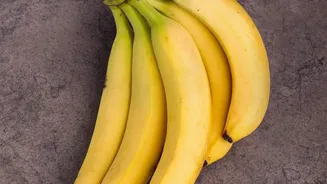
As a banana turns yellow, its resistant starch content plummets while its sugar content rises significantly. A fully ripe banana may contain only 1-2% starch, compared to the 80-90% found in its green counterpart. This conversion makes the banana much sweeter and easier to digest. Ripe bananas provide a quick source of energy, as the sugars are readily absorbed by the body. This makes them an ideal snack for athletes or anyone needing a fast energy boost. While their GI is higher than that of green bananas, it typically falls within the low to medium range (around 51), meaning they still have a moderate impact on blood sugar for most people.
Brown-Spotted Bananas: Peak Sweetness and Antioxidants
When a banana develops brown spots, it has reached its final stage of ripening. At this point, almost all the starch has converted to sugar, making the fruit incredibly sweet and soft. This is also when antioxidant levels are thought to be at their highest. While they may cause a quicker rise in blood sugar due to the high sugar concentration, these overripe bananas are perfect for baking. Their soft texture and intense sweetness lend themselves beautifully to recipes for banana bread, muffins, and smoothies.