





The Right Climate and Location
Kiwifruit vines, originally from China, thrive in temperate climates. In India, this makes them perfectly suited for the mid-hill regions. States like Himachal Pradesh, Uttarakhand, Sikkim, Arunachal Pradesh, and other parts of the Northeast offer the ideal
conditions. These areas provide the necessary 700-800 chilling hours below 7°C during winter, which is crucial for the plants to break dormancy and produce flowers. They grow best at altitudes between 800 and 1,500 metres. When choosing a spot in your garden, find a location that receives ample sunlight but is protected from strong winds, as the large leaves can be easily damaged.
Male and Female Plants Explained
One of the most critical aspects of growing kiwi is understanding that the plants are dioecious, meaning they have separate male and female plants. Only the female plants produce fruit, but they need a male plant nearby for pollination. For a home garden, you will need at least one of each. The male plant produces the pollen, which is then transferred to the female flowers by insects like bees or by the wind. A single male vine is capable of pollinating up to eight female vines, so a simple one-to-one ratio is more than enough for a backyard setup. Ensure their flowering periods overlap for successful fruit set.
Choosing Your Kiwi Varieties
Several kiwi varieties are cultivated in India. The most popular commercial variety is 'Hayward', a green-fleshed kiwi known for its large size and excellent shelf life. Other reliable female varieties for home gardens include 'Allison' and 'Abbott', which are heavy bearers. For the male plant, 'Tomuri' is a great pollinator for late-flowering varieties like Hayward, while 'Allison' (male) can also be used. When purchasing your plants from a nursery, it is essential to get clearly-labelled male and female plants to ensure you have a proper pairing.
Planting and Support Structures
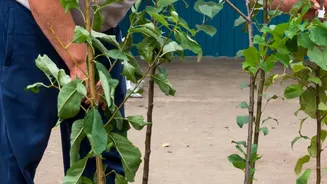
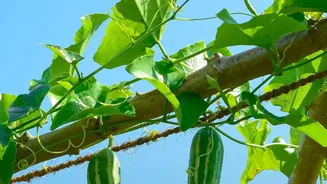
The best time to plant kiwi vines is in January. Kiwis prefer deep, well-drained sandy loam soil that is rich in organic matter, with a pH between 5.5 and 6.5. When planting, ensure the hole is large enough to accommodate the root ball. Since kiwis are vigorous climbing vines, a strong support structure is not just recommended—it's essential from day one. A sturdy T-bar trellis or a pergola system works best. This allows the vines to spread out, maximises sun exposure for the leaves, and makes pruning and harvesting much easier in the long run.
Care, Pruning, and Patience
Kiwi vines require consistent moisture, especially during the hot summer months, but do not like waterlogged soil. During the first few years, fertilise lightly. Once the plant is mature (after about five years), you can apply a balanced fertiliser annually. Pruning is a vital task, performed during the winter dormancy. This involves cutting back the canes that produced fruit in the previous season and removing any weak or tangled wood to encourage new growth, as fruits form on new wood. Be prepared to be patient; a kiwi vine typically starts bearing fruit in its fourth or fifth year, with commercial production beginning around year seven or eight.
Harvesting Your Reward
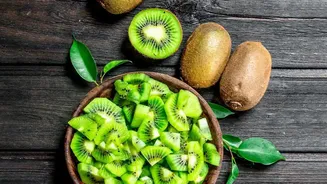
Kiwis are harvested in the autumn, typically from October to December. Unlike many other fruits, they are picked when they are still hard. The fruits will then ripen and soften off the vine over a couple of weeks at room temperature. To speed up the ripening process, you can place the hard kiwis in a paper bag with a banana. Once they are soft to the touch, they are ready to be eaten. Properly harvested and stored, hard kiwis can last for several months in a cold storage environment.