



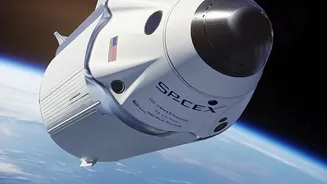
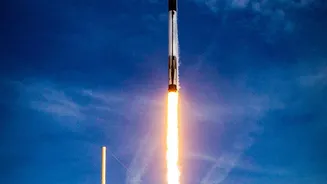
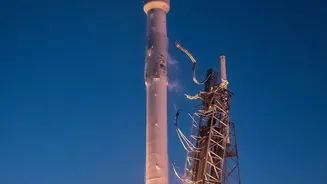
A SpaceX Dragon capsule successfully splashed down in the Pacific Ocean on November 21, but its most precious cargo wasn't supplies. It was a collection of unique biological samples grown in space that could revolutionise medicine back on Earth.
A Special Delivery From Orbit
On Saturday,
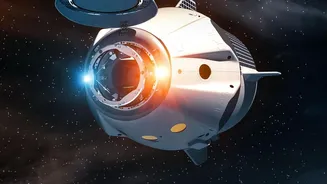
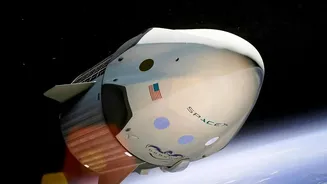
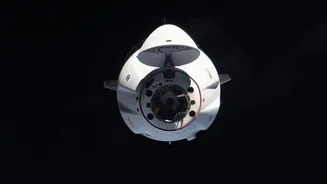
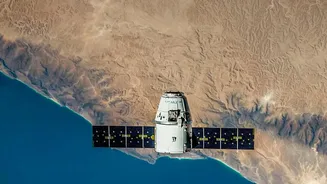
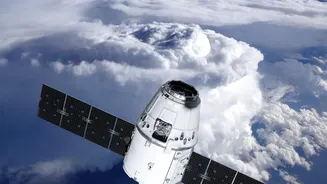
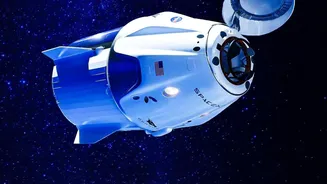
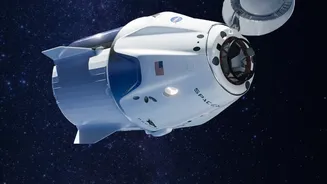
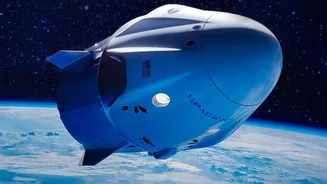
November 21, a SpaceX Dragon spacecraft completed its 35th Commercial Resupply Services (CRS-35) mission for NASA, parachuting down to a safe splashdown off the coast of California. The uncrewed capsule had undocked from the International Space Station (ISS) a day earlier, on November 20, beginning its fiery but controlled descent through Earth's atmosphere. While these return trips have become a regular feature of modern space operations, this one was particularly significant. Unlike most cargo vehicles, which burn up on reentry, the Dragon is designed to bring materials safely back to Earth, making it an essential courier for science. Tucked inside were thousands of pounds of scientific cargo, the results of experiments conducted over a month in the unique environment of the orbiting laboratory.
Why Grow Cells in Space?
The main attraction of the ISS for biologists is microgravity. On Earth, gravity's constant pull influences everything, including how cells grow, interact, and form tissues. In the near-weightlessness of orbit, these rules change. Cells can grow into three-dimensional structures, known as organoids, more easily and sometimes more quickly than on the ground. This allows scientists to study cellular processes in a way that is simply not possible on Earth. For researchers studying complex diseases, this is a game-changer. By removing the structural stress of gravity, they can observe underlying biological mechanisms related to aging and disease that are otherwise masked. This unique environment helps create better models for testing new drugs and understanding how diseases progress.
A Cargo of Medical Hope
The CRS-35 mission returned a diverse portfolio of biological samples with profound implications for human health. Among the key experiments were frozen tumour organoids—small, lab-grown models of tumours—that were treated with experimental drugs while in orbit. Researchers hope that analysing these will lead to new ways of improving cancer treatments. Another crucial payload was a 3D-bioprinted blood vessel construct, created from living cells to study cardiovascular disease and the vascular aging process. By examining how these tissues develop in microgravity, scientists aim to gain insights into conditions that affect millions on Earth. The capsule also carried frozen microbial samples to understand how antibiotic-resistant bacteria adapt and evolve in space, which has applications for both astronaut health on long missions and tackling drug resistance globally.
The Race Against Time
Following the splashdown, the clock started ticking. A recovery team was on-site to retrieve the Dragon capsule from the ocean quickly. The time-sensitive biological samples had to be unloaded and transported to laboratories for analysis as soon as possible. The goal is to study the cells and tissues before they have a chance to fully readjust to Earth's gravity, which could alter or erase the unique changes that occurred in space. This rapid retrieval is a critical part of the mission, ensuring that the valuable data from the orbital experiments is preserved for scientists. The Dragon's ability to return this cargo intact is what makes these advanced biological experiments in space feasible.