





What Exactly Is Saturated Fat?
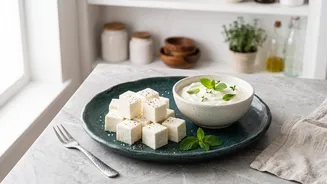
Dietary fats are essential for your body, but not all fats are created equal. Saturated fat is a type of fat that is typically solid at room temperature. Think of butter, ghee, the fat on a piece of meat, or hard cheese. It's also found in high amounts
in certain plant-based oils like coconut and palm oil. While your body needs some fat for energy and cell function, health authorities have long advised limiting saturated fat because of its impact on cholesterol levels. The main difference between saturated and unsaturated fats (like those in olive oil or avocados) lies in their chemical structure, which affects how your body processes them.
The Connection to Heart Health
The primary reason saturated fat is a concern for heart health is its relationship with cholesterol. Specifically, a high intake of saturated fat can raise the level of low-density lipoprotein (LDL) cholesterol in your blood. LDL is often called 'bad' cholesterol because high levels can lead to the buildup of fatty plaques in your arteries, a condition known as atherosclerosis. This buildup can narrow the arteries, making it harder for blood to flow and increasing your risk of heart disease and stroke over time. Major health bodies, including the American Heart Association, recommend limiting saturated fat to help manage this risk. The general guideline is to keep saturated fat intake to less than 10% of your total daily calories.
The Packaged Food Problem in India
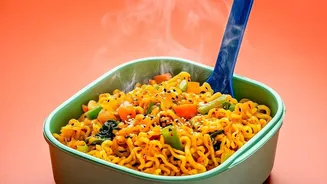
Processed and packaged foods are a major source of saturated fat in modern diets. Manufacturers use these fats to improve texture, add flavour, and extend shelf life. In India, this is a growing concern. Studies have shown that many packaged foods available locally—from biscuits and namkeen to instant noodles and frozen snacks—can be high in saturated fat, salt, and sugar. A global survey by The George Institute for Global Health even ranked India's packaged foods among the least healthy, citing high levels of saturated fat and energy density as key issues. This makes checking the label not just a good habit, but a necessary one for health-conscious consumers.
How to Read the Label
When you pick up a package, flip it over to the Nutrition Facts panel. Look for the line that says 'Saturated Fat'. The number is listed in grams (g) per serving. Pay close attention to the serving size mentioned at the top; if you eat more than one serving, you have to multiply the saturated fat amount accordingly. Many labels also show the '% Daily Value' (%DV). A DV of 5% or less for saturated fat per serving is considered low, while a DV of 20% or more is considered high. Comparing the grams of saturated fat between two similar products, like two different brands of chips or biscuits, can help you quickly identify the healthier option. A food with 1.5g or less of saturated fat per 100g is generally considered a low-fat choice.
Making Smarter, Balanced Choices
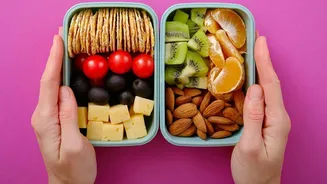
Focusing on saturated fat doesn't mean you have to eliminate your favourite treats entirely. The key is moderation and balance. If you have a snack that's higher in saturated fat, try to balance it with foods that are low in it for your other meals, like fruits, vegetables, and whole grains. When cooking, consider using unsaturated fats like mustard or groundnut oil instead of fats that are solid at room temperature. According to India's National Institute of Nutrition (NIN), Saturated Fatty Acid (SFA) intake should not exceed 8-10% of your total energy. Ultimately, looking at the saturated fat metric is a powerful tool. It helps you move beyond just the calorie count and make more informed decisions for your long-term heart health.