


The Handshake in Space
In early August 2026, during a meeting in Bengaluru, NASA formally invited the Indian Space Research Organisation (ISRO) to participate in its ambitious Moon Base program. This isn't just a friendly suggestion; it's a strategic move to bring India into
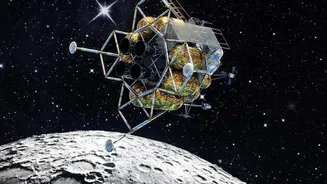
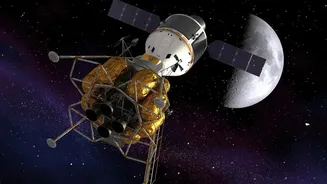
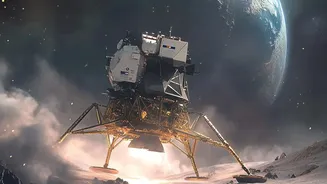
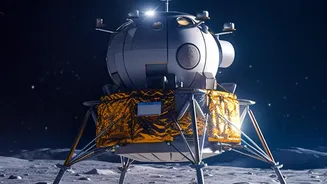
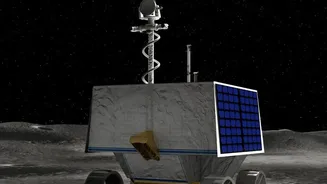
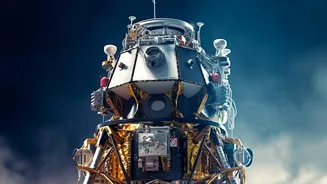
the fold of one of the most significant space exploration projects since Apollo. The plan is to build a permanent human outpost near the Moon's south pole where astronauts can live and work. The invitation builds on India's 2023 decision to sign the Artemis Accords, a U.S.-led set of principles for peaceful and transparent lunar exploration. While specific details of India's contribution are still being discussed, the possibilities range from providing scientific instruments and robotics to developing communications systems or other critical infrastructure.
Why India? A Proven Powerhouse
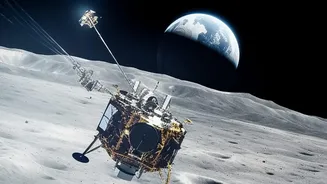
So, why is NASA so keen on partnering with India? The simple answer is that ISRO has become a force to be reckoned with. In August 2023, India made history when its Chandrayaan-3 mission successfully soft-landed near the lunar south pole, becoming the first nation ever to do so. This achievement wasn't just a point of national pride; it was a stunning demonstration of high-level technical skill at a remarkably low cost. The entire Chandrayaan program has yielded significant discoveries, including confirming the presence of water ice on the Moon during its first mission in 2008. This track record proves India can handle complex deep-space missions, making it an ideal and capable partner for NASA's long-term lunar ambitions.
It's Geopolitics, Not Just Rocket Science
This partnership extends far beyond scientific curiosity. It's a calculated geopolitical move that strengthens the strategic alignment between the world's two largest democracies. As the U.S. and its allies look to create a collaborative framework for space, this invitation serves as a powerful counterweight to the parallel space ambitions of nations like China and Russia. By bringing India into the Artemis fold, the U.S. is solidifying a coalition of nations committed to a shared vision of space governance. India's participation avoids its technological isolation and integrates its space program with emerging international standards for lunar exploration. This collaboration is a key part of the broader U.S.-India strategic partnership, which has been growing across technology, defense, and economic sectors.
What's in It for the U.S.?
For NASA, the benefits are clear and substantial. Building a moon base is an astronomically expensive and complex undertaking. International partnerships are essential for sharing the financial burden and pooling technological resources. Japan, for example, is already slated to provide a pressurized lunar rover. India brings its renowned frugal engineering and a wealth of scientific talent to the table. Furthermore, ISRO's direct experience with the lunar south pole—the very region NASA is targeting for its base—is invaluable. Past collaborations, like the successful joint NASA-ISRO Synthetic Aperture Radar (NISAR) satellite launched in 2025, have already proven the partnership works. By teaming up, NASA can accelerate its timeline and build a more robust, resilient presence on the Moon.
What This Means for the Future
This invitation aligns perfectly with India's own ambitious space roadmap, which includes sending an Indian astronaut to the Moon by 2040 and establishing its own space station. Collaborating on NASA's moon base provides ISRO with invaluable experience in human spaceflight, long-duration missions, and habitat technologies. It's a chance to leapfrog certain developmental hurdles by working directly with the world's most experienced space agency. The phased approach to the moon base—focusing on robotic scouting through 2029, infrastructure deployment until 2032, and then establishing a semi-permanent crew presence—offers multiple entry points for ISRO to contribute. This partnership isn't just about planting a flag; it's about building a sustainable future for humanity on another celestial body.