







A Global Push Meets a National Need
The phrase 'climate-resilient city' is moving from policy documents to urgent reality. Recent high-profile reports, including the UN-Habitat's World Cities Report 2026, have sounded a global alarm. They argue that with billions living in inadequate housing,
building for climate resilience—especially against heat—is a human right and an economic necessity. This international focus is timely for India. A recent World Bank report from August 2026 specifically warned that rising extreme heat could act as a major brake on South Asia's economic growth, potentially derailing long-term ambitions like the 'Viksit Bharat 2047' vision by impacting productivity and livability. The message from this new wave of guidance is clear: tackling urban heat is no longer optional.
Why Our Cities Are So Hot
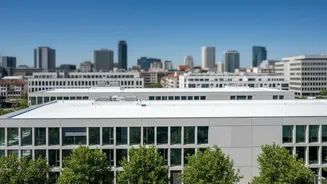
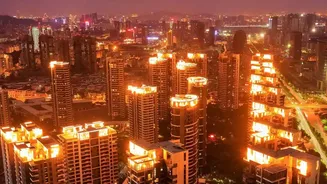
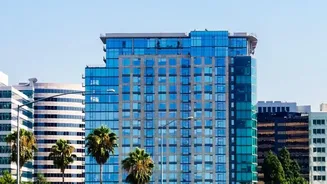
The core of the problem has a name: the Urban Heat Island (UHI) effect. Our cities are jungles of concrete, asphalt, and glass that absorb and retain the sun’s heat far more than natural landscapes. During the day, these surfaces bake, and at night, they radiate that stored heat back into the air, preventing the city from cooling down. This effect is compounded by a lack of green cover—trees, parks, and water bodies—that would naturally provide shade and cooling through evaporation. Add to this the waste heat generated by vehicles, air conditioners, and industrial processes, and you get sprawling urban areas that can be several degrees hotter than the surrounding countryside, turning seasonal heat waves into life-threatening events.
The Blueprint for Heat-Resilient Planning
Fortunately, we have the solutions. Heat-resilient planning isn't about installing more air conditioners; it's about smarter, nature-inspired design. The guidance highlights several key strategies. 'Cool roofs' using reflective paints or materials can bounce sunlight back into the atmosphere instead of absorbing it. Increasing green infrastructure is critical—this means planting more trees along streets, creating 'green corridors', developing more parks, and restoring urban lakes and ponds. Architectural designs that prioritize passive cooling, such as better ventilation, shading, and the use of traditional materials with low heat absorption, can drastically reduce the need for mechanical cooling. These solutions, when integrated into urban planning policies and building codes, work together to lower ambient temperatures and make cities more comfortable and livable.
India's Action on the Frontline
India is not starting from scratch. The National Disaster Management Authority (NDMA) has been pushing for Heat Action Plans (HAPs), which have now been adopted by 23 states and dozens of cities. These plans include early warning systems, provisions for public cooling centres, and measures to protect vulnerable outdoor workers. Furthermore, government initiatives like the Ministry of Housing and Urban Affairs' AMRUT 2.0 mission are actively promoting the creation of green spaces and the restoration of water bodies. A pilot program called 'Building Heat Resilient Cities' is already underway in 12 cities to create city-specific mitigation plans. Perhaps the biggest opportunity, as noted by the World Bank, is that roughly 70% of the urban infrastructure India will have by mid-century has not yet been built. This gives the nation a historic chance to build resilience into its very foundation.