






The Ancient Grain Powering Your Morning
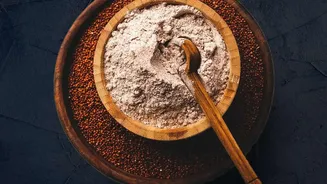
Ragi, also known as finger millet, has been a staple in Indian and African diets for thousands of years, and for good reason. This humble grain is a nutritional titan, naturally packed with benefits that make it a perfect start to any day. It is an excellent
source of dietary fibre, which aids digestion and promotes a feeling of fullness, helping you manage your appetite. For those on a plant-based diet, ragi is a fantastic source of protein and essential amino acids. Perhaps most famously, it is celebrated for its high calcium content, which is vital for maintaining strong bones. It's also rich in iron, an essential mineral for preventing anaemia. As a naturally gluten-free grain, ragi is an excellent and safe choice for individuals with celiac disease or gluten sensitivity.
Crafting the Perfect Ragi Batter
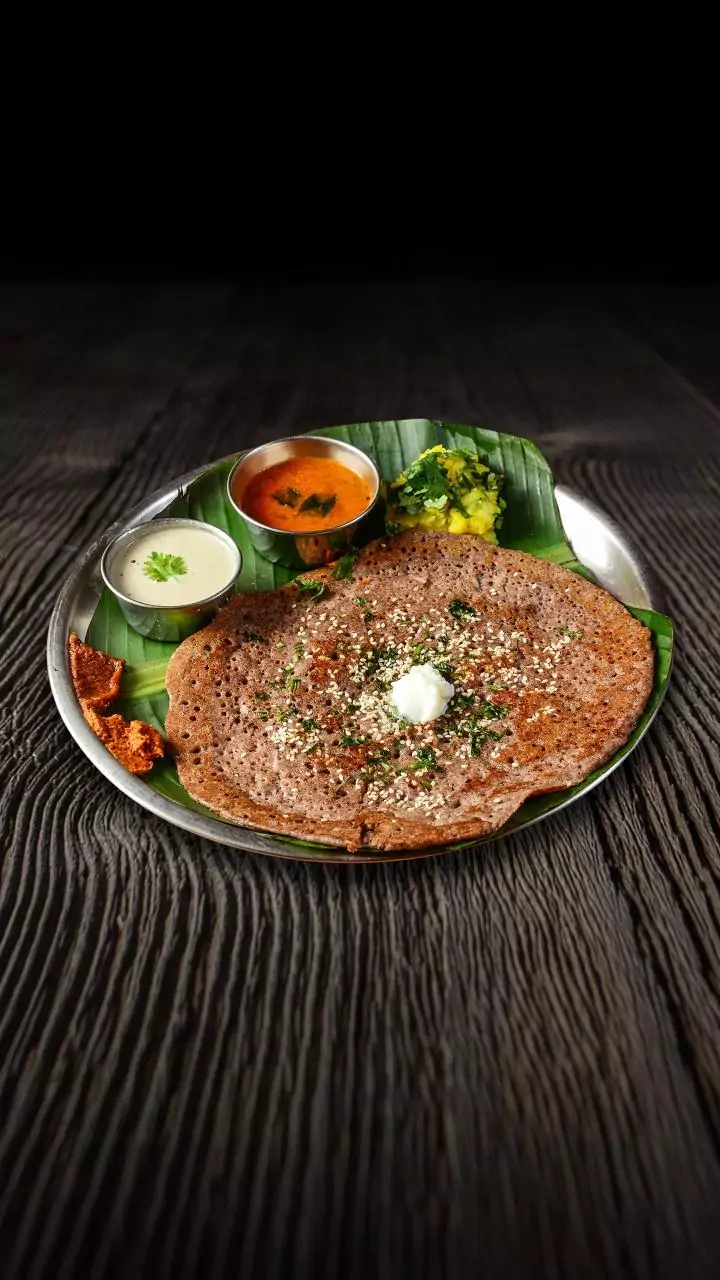
The secret to a great ragi crepe, often called a ragi dosa, lies in the batter. You have two main approaches: a quick, instant batter or a traditional fermented one. For the instant version, you simply combine ragi flour with rice flour and a bit of fine semolina (rava) for extra crispness. Add water gradually to form a smooth, very thin batter. For a more traditional flavour and enhanced nutritional benefits, you can create a fermented batter. This involves soaking whole ragi grains (or using flour) with urad dal, much like a classic dosa batter. After a few hours of soaking, the ingredients are ground into a smooth paste and left to ferment for about 6-8 hours. Fermentation not only develops a pleasant, tangy flavour but can also improve gut health with probiotics and increase the bioavailability of nutrients.
Easy Savoury Ragi Crepe Recipe
This instant recipe is perfect for busy mornings and delivers wonderfully crispy crepes in minutes.Ingredients:- 1/2 cup Ragi Flour (Finger Millet Flour)- 1/4 cup Rice Flour- 2 tbsp Fine Semolina (Rava), optional for crispness- 2 cups Water, or more as needed- 1/2 tsp Cumin Seeds- 1 small Onion, finely chopped- 1 Green Chilli, minced (optional)- 1 tbsp Coriander Leaves, finely chopped- Salt to taste- Oil or Ghee for cookingInstructions:1. In a mixing bowl, combine the ragi flour, rice flour, semolina, cumin seeds, and salt.2. Gradually pour in the water while whisking continuously to create a smooth, lump-free batter. The consistency should be very thin and runny, similar to buttermilk.3. Stir in the chopped onion, green chilli, and coriander leaves. Let the batter rest for 15-30 minutes; this allows the semolina to absorb water.4. Heat a non-stick or well-seasoned cast-iron tawa (griddle) on medium-high heat. It needs to be quite hot.5. Stir the batter well before making each crepe, as the flour tends to settle at the bottom.6. From a bit of a height, pour a ladleful of the batter onto the hot tawa, starting from the edges and moving towards the centre to create a lacy pattern. Do not spread it with the ladle.7. Drizzle a teaspoon of oil or ghee around the edges and cook for 2-3 minutes on medium heat, until the bottom is golden brown and the edges begin to lift from the pan.8. There is no need to flip this crepe. Once it's crisp, gently fold it and serve immediately.
Tips for Restaurant-Style Crispy Crepes
Achieving that perfect, paper-thin crispiness is easy with a few simple tricks. First and foremost, the batter must be very thin and pourable; a thick batter will result in a soft pancake. Secondly, your tawa or pan must be properly hot before you pour the batter—sprinkle a few drops of water, and if they sizzle and evaporate immediately, you're ready to cook. When you pour the batter, do so quickly and confidently to get that desirable lacy texture. Resisting the urge to press down on the crepe with your spatula is crucial for a light, airy result. Finally, cooking on a consistent medium flame ensures the crepe becomes crispy without burning.