


The Land of Living Clouds
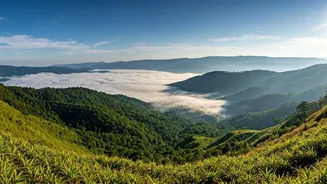
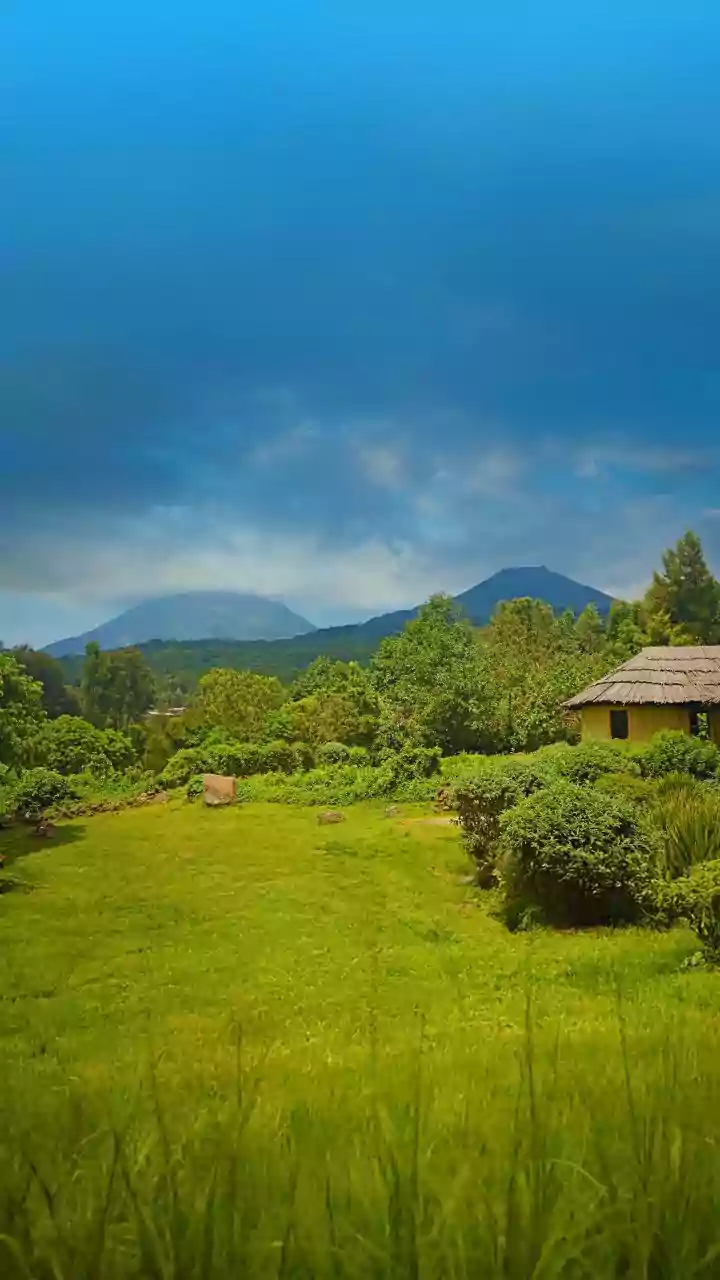
The name Meghalaya, 'the abode of clouds', is not just poetic—it's a literal description, especially from June to September. During the monsoon, the clouds descend from the heavens to walk amongst mortals. Driving through the East Khasi Hills becomes
a surreal experience, as you find yourself enveloped in thick, moving mist, with visibility dropping to a few metres. This isn't fog; it's the feeling of being inside a cloud itself. In towns like Cherrapunji (Sohra), you can stand on a viewpoint and watch as the entire valley below vanishes and reappears in a silent, magical dance of vapour. This constant play of clouds transforms the landscape into a living, breathing entity, making every moment feel ephemeral and precious.
Waterfalls in Full, Furious Glory
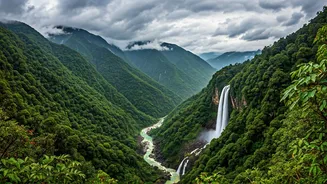
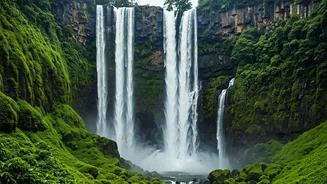
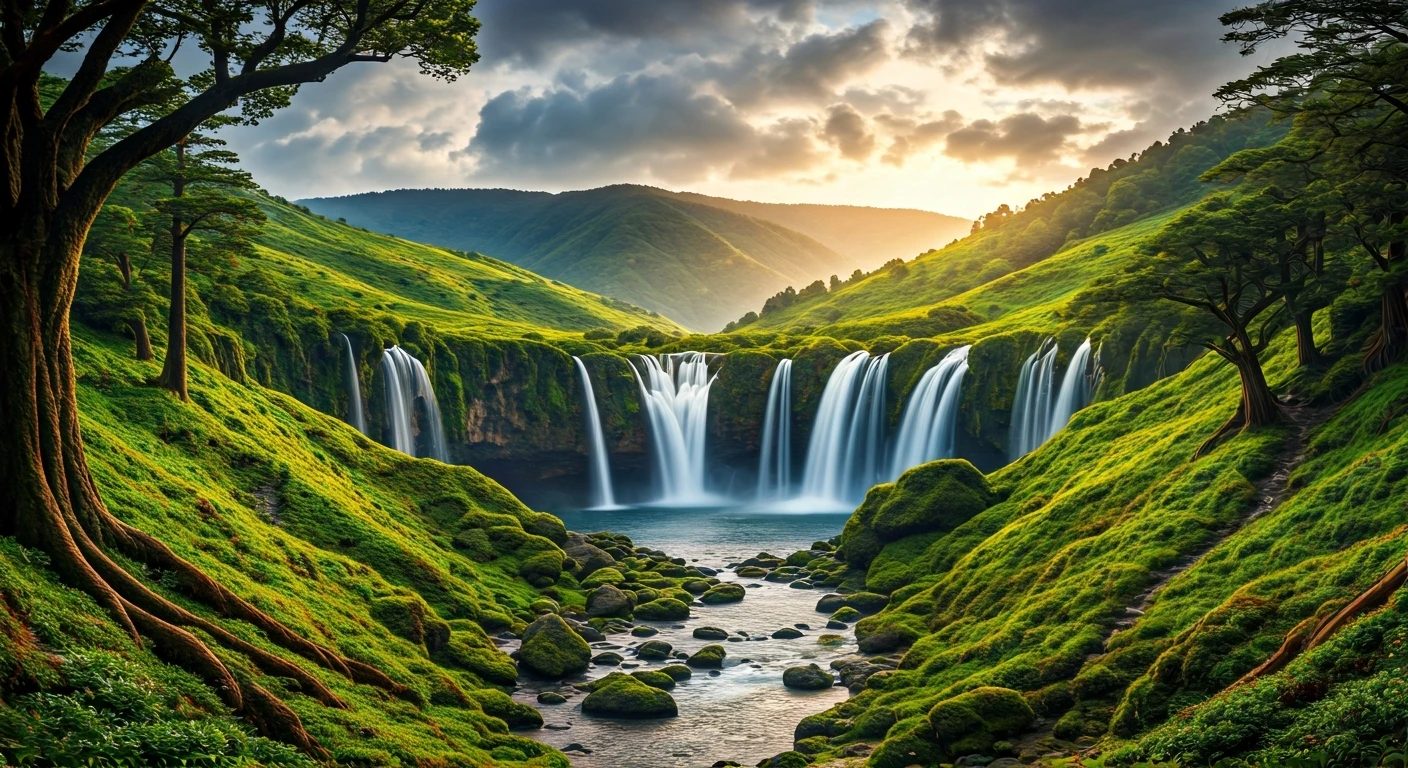
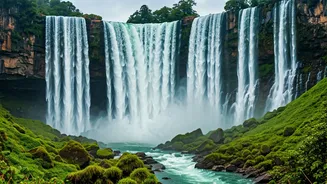
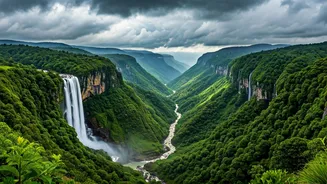
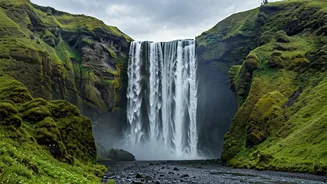
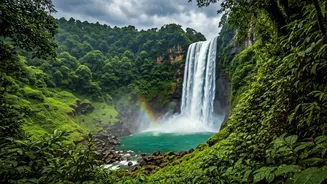
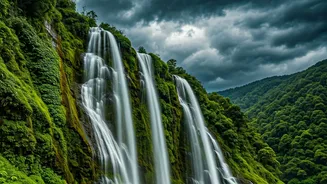
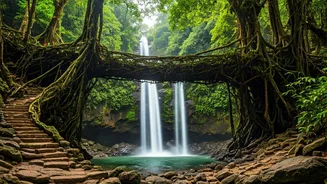
Meghalaya is famous for its waterfalls, but seeing them in the monsoon is a different spectacle altogether. Waterfalls that are mere trickles in the dry season become raging, thunderous torrents. The iconic Nohkalikai Falls, one of India's tallest plunge waterfalls, is a powerful, humbling sight as it crashes down with immense force. The Seven Sisters Falls (Nohsngithiang Falls) live up to their name, with multiple streams cascading down the limestone cliffs in a majestic, unified display. The sound is deafening, the spray drenches you from afar, and the raw power of nature is on full display. It’s a visceral experience that reminds you of the earth’s raw, untamed beauty.
The Living Root Bridges Come Alive
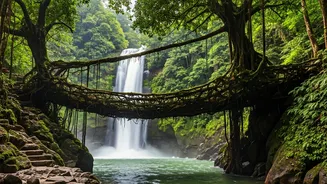
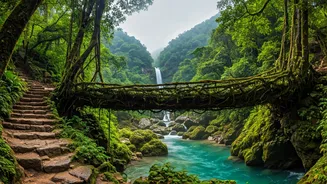
The world-famous living root bridges of Meghalaya are a marvel of bio-engineering, but they feel most at home during the rains. Trekking to these bridges, often through dense, dripping forests, is an adventure in itself. The rain washes the leaves, making the canopy above a vibrant green. The roots of the bridges, slick with moisture, seem more alive than ever. Crossing a moss-covered bridge suspended over a roaring river, with the scent of wet earth and decaying leaves in the air, connects you to the ancient wisdom of the Khasi and Jaintia tribes. The most famous double-decker bridge in Nongriat becomes a scene from a fantasy novel, shrouded in mist and echoing with the sound of the river below.
A Symphony of Green
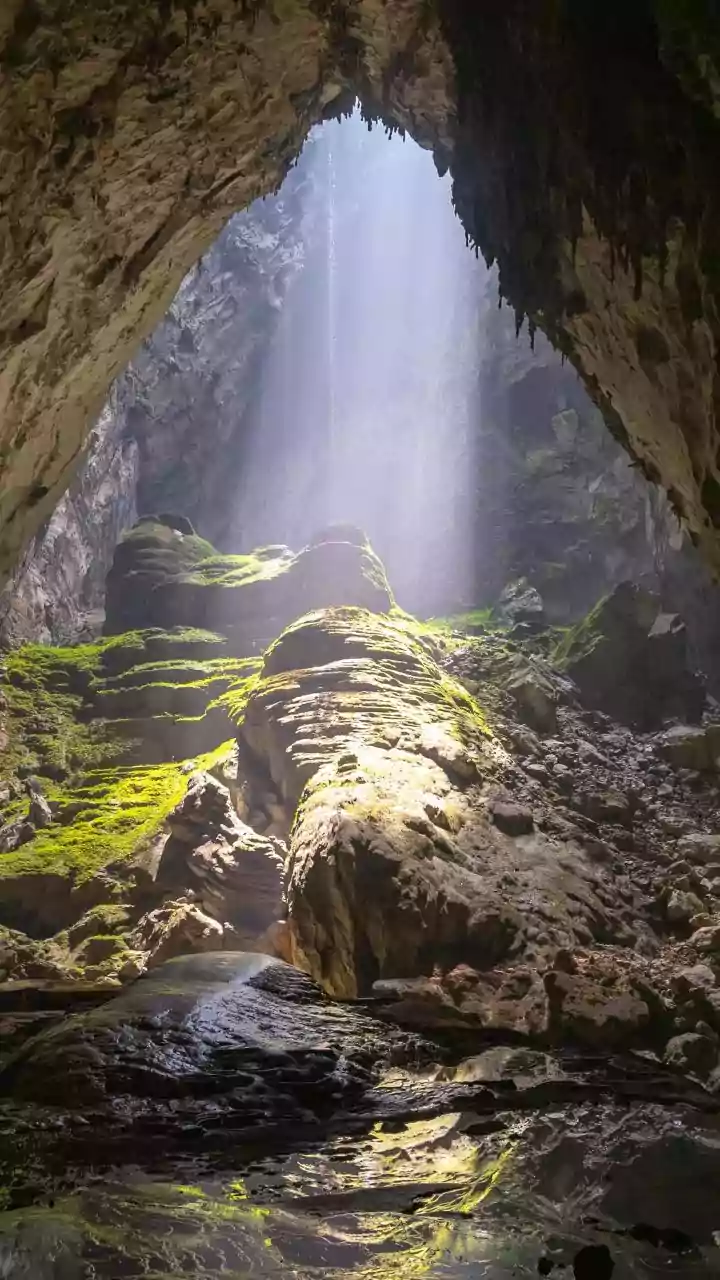
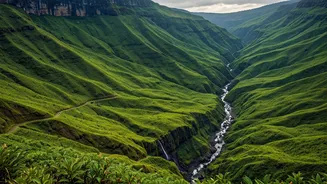
The monsoon paints Meghalaya in shades of green you never knew existed. From the luminescent green of new moss to the deep, dark green of the ancient forests, the entire state is saturated with colour. The terraced fields, the rolling hills, and even the rocks on the roadside are covered in a verdant carpet. This explosion of life is a feast for the eyes and a balm for the soul. The constant rain cleanses the air and washes the dust off every leaf, making the landscape look preternaturally fresh and vibrant. For photographers and nature lovers, it's a paradise. The sheer intensity of the greenery is rejuvenating, a visual detox from the concrete hues of city life.
Fewer Crowds, More Soul
While many tourists avoid the monsoon, this is precisely what makes it the best time to visit for those seeking a more authentic experience. The popular spots are less crowded, allowing for quiet contemplation and a more personal connection with nature. You can enjoy the thunder of a waterfall or the peace of a misty valley without jostling for space. Local life also takes on a different rhythm. You can huddle in a small tea shop, sipping on a hot cup of 'lal chai' and watching the world go by through a rain-streaked window. This slower, more intimate pace of travel allows for genuine interactions and a deeper appreciation of the place and its people.