



The Continuity Candidate
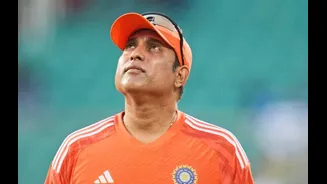
VVS Laxman's appointment is, above all, a vote for continuity and process. As the head of the BCCI's Centre of Excellence (CoE), Laxman is deeply integrated into the system responsible for nurturing India's next generation of cricketers. His primary role
involves overseeing the country's developmental pathways, from the India 'A' team to the Under-19s. He has repeatedly stepped in to coach second-string Indian sides on various tours, often when the main squad and coaching staff are occupied with other commitments. This experience makes him the natural choice for a tournament like the Asian Games, which typically features a squad of rising stars and players on the fringe of the first team. His appointment is not a surprise but a logical extension of his existing duties, ensuring the philosophy of the CoE is directly implemented on the field.
The Maverick Mentor
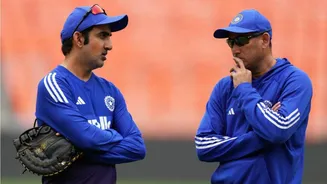
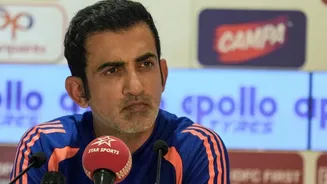
Gautam Gambhir, the regular head coach, represents a starkly different philosophy. His reputation is built on an aggressive, win-at-all-costs mentality, famously demonstrated during his successful stints as a captain and mentor in the IPL. Gambhir's approach is about creating a 'winning dressing room' and being relentlessly competitive. While highly effective, his methods are intense and personality-driven. He prioritises instinct over data and demands high standards and accountability. This style has been credited with transforming franchises and winning titles, but it may be seen by the board as less suited for a developmental squad where the long-term growth of players is as important as the immediate result.
The Unique Mandate of the Asian Games
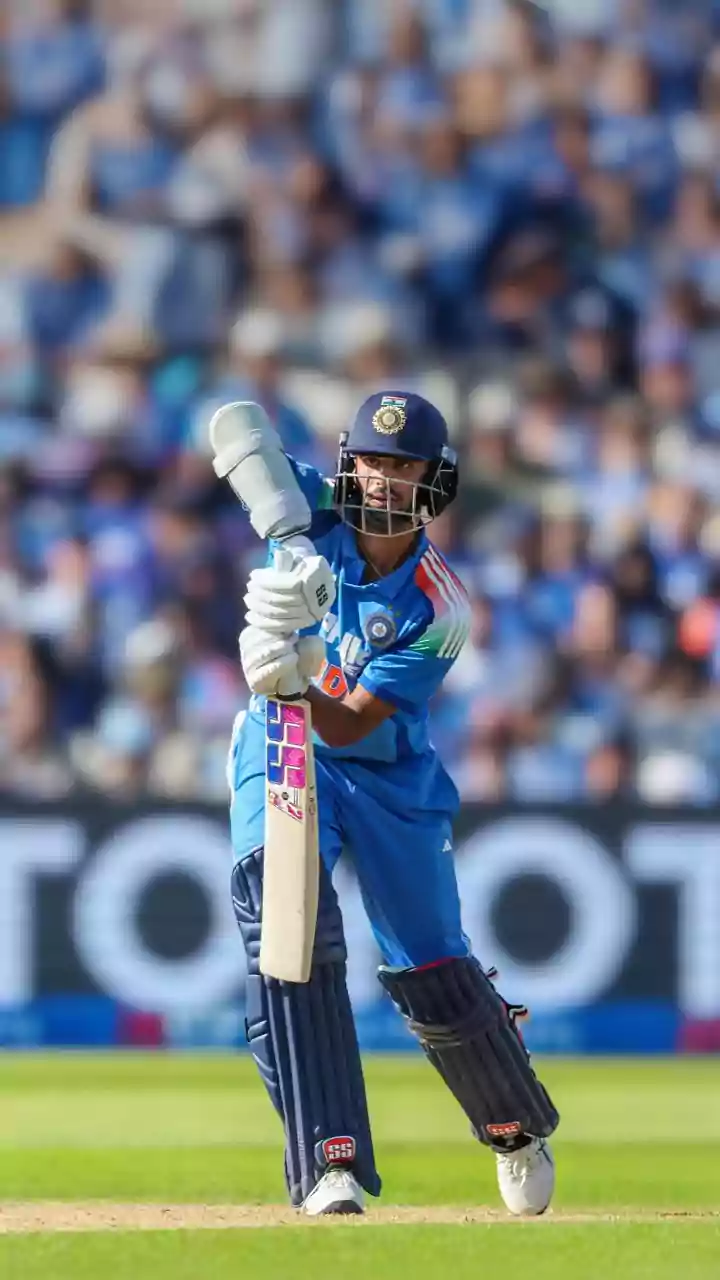
Understanding the BCCI's choice requires understanding the unique context of the Asian Games. Unlike a World Cup, cricket at the Asian Games does not always feature the absolute first-choice senior team due to packed international schedules. The 2026 squad, led by Shreyas Iyer, is a mix of established players needing game time and promising youngsters like Vaibhav Sooryavanshi. The coaching role here is dual-purpose: win a medal, but also assess and develop talent for the future. The board's decision suggests they believe Laxman's calm, nurturing style is better suited for this developmental mandate. He is seen as a safe pair of hands to guide a young team on a short, high-profile tour without the immense pressure cooker environment Gambhir might foster.
System vs. Shock Therapy
Ultimately, the decision pits the 'system' against 'shock therapy'. Laxman represents the BCCI's carefully constructed pipeline. He has worked with many of these young players before at the CoE and on 'A' tours. His presence ensures consistency in coaching language and methodology from the junior levels to the senior fringe. Gambhir, on the other hand, would have been a form of shock therapy. He would have undoubtedly instilled a fierce fighting spirit, but his methods are less about gradual development and more about immediate impact. With the regular head coach focused on the senior team's concurrent home series against the West Indies, using Laxman for the Asian Games is also a pragmatic solution to a scheduling conflict, allowing for a clear division of responsibilities.