


The Foundation: Why Plant Protein Wins
Protein is the building block for everything from muscle repair to immune function, but many Indian diets are unintentionally low in this crucial macronutrient. While meat and eggs are well-known sources, the vegetarian staples of the subcontinent are incredibly
potent and cost-effective. Lentils (dals), beans (like rajma and chana), and fresh greens offer abundant protein combined with fibre, vitamins, and minerals, making them a cornerstone of a healthy, balanced diet. The key isn't just eating them, but combining them intelligently to unlock their full potential.
Your Protein Heroes: Lentils and Beans
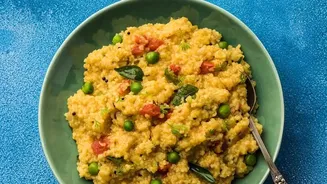
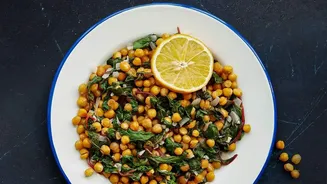
The humble dal is the backbone of Indian protein intake. A single katori (cup) of cooked dal, whether it's moong, masoor, or toor, provides a solid 7-9 grams of protein. Legumes like chickpeas (chana) and kidney beans (rajma) are even more dense, offering 8-10 grams per cup when cooked. Soya chunks are a standout, providing a massive 52 grams of protein per 100g (dry), making them one of the most powerful plant-based options available. Incorporating two servings of these into your daily meals can contribute a significant portion of your daily protein needs without any drastic dietary changes.
The Magic of Pairing: Creating 'Complete' Proteins
Most plant-based foods are 'incomplete' proteins, meaning they lack one or more of the nine essential amino acids our bodies can't produce. However, Indian culinary wisdom solved this centuries ago. The classic combination of dal with rice or dal with roti is more than just tradition; it's nutritional science. Grains are typically low in the amino acid lysine but high in methionine, while lentils are high in lysine but low in methionine. Eaten together, they form a 'complete' protein, providing all the essential amino acids your body needs, similar to what you would get from animal sources.
Don't Forget Your Greens
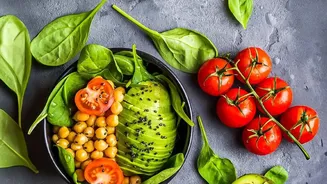
Fresh leafy greens are more than just a side dish for fibre; many are surprisingly good sources of protein and essential nutrients. Amaranth leaves (chaulai), fenugreek (methi), and moringa (drumstick leaves) are packed with vitamins and minerals. Spinach (palak) contains iron and folate, while methi is a fantastic source of calcium and iron. Even herbs like coriander and mint contribute to your mineral intake. Adding a generous portion of seasonal saag or palak to your dal or sabzi not only enhances flavour but also adds valuable micronutrients and a modest protein boost, making your meal more nutritionally dense.
Building The Perfect Protein Plate
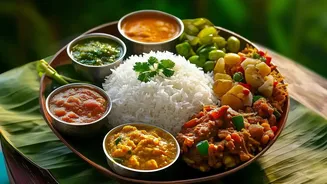
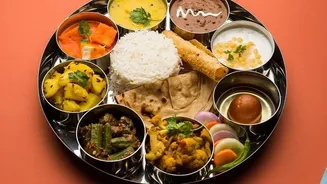
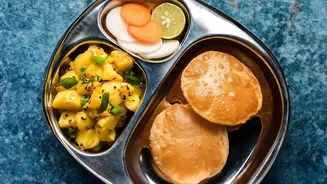
Structuring your meal is simple once you know the components. A well-balanced Indian thali should follow a basic formula. Aim to fill half of your plate with vegetables, including a generous portion of leafy greens. One-quarter of your plate should be dedicated to your primary protein source, such as a large katori of dal, chana, or rajma. The final quarter is for your complex carbohydrates, like a couple of rotis or a serving of brown rice, which will complete the protein profile of your lentils or beans. Adding a side of curd (dahi) can further increase the protein content and provide valuable probiotics. This simple structure ensures you get a balanced, high-protein meal every time.