







Your Pre-Trip Safety Checklist
A safe journey begins before you even start the engine. Your vehicle is your single most important tool for navigating the Ghats, and a thorough pre-monsoon check is non-negotiable. Start with the tyres, your only contact with the road. Ensure they have
a tread depth of at least 3mm to provide better grip on wet surfaces and prevent skidding. Next, inspect your braking system. If you notice any squealing sounds or reduced response, get them checked immediately, as wet roads significantly increase stopping distances. Visibility is critical during a downpour. Replace worn-out wiper blades that leave streaks, and top up your windshield washer fluid. Finally, walk around your car and confirm that all lights—headlights, tail lamps, brake lights, and indicators—are functioning perfectly. Keeping low-beam headlights on, even during the day, makes you more visible to others.
Plan Your Route and Heed Warnings
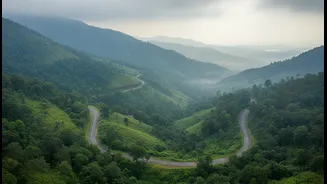
Spontaneity is great, but not when dealing with monsoon conditions in the mountains. Before you leave, check the latest weather forecasts from the India Meteorological Department (IMD), paying attention to district-level alerts for heavy rainfall or landslide warnings. Authorities often close high-risk routes, like certain ghat sections, for safety. Plan your travel during daylight hours, as darkness hides potholes, debris, and the treacherous edges of the road. It's also wise to share your itinerary and expected arrival time with a friend or family member. Always have a full tank of fuel before entering a ghat section, as landslides can cause long, unexpected delays.
On the Road: Cautious Driving Techniques
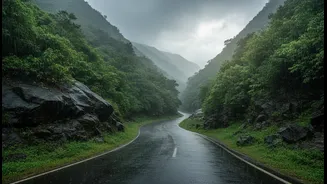
Driving in the ghats during heavy rain requires a completely different mindset. The golden rule is to reduce your speed significantly and increase the following distance between you and the vehicle ahead. Wet roads demand gentle braking and steering to avoid losing control. Be especially careful on painted road markings, which become extra slippery. If you encounter a waterlogged patch, avoid it if you can. If you must cross, engage a low gear and maintain a steady, high RPM to prevent water from entering the exhaust pipe. Never attempt to restart a stalled engine while in deep water, as it can cause severe engine damage. To prevent your windows from fogging up from the inside, use your car's air conditioner and defogger.
Recognising the Danger of Shifting Roads
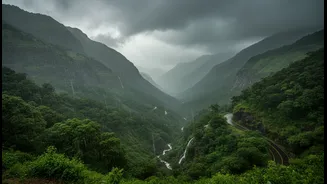
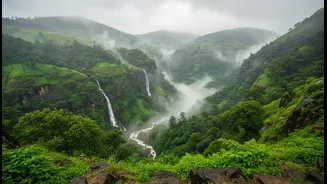
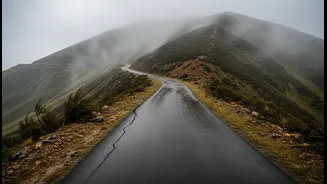
The term 'shifting roads' is a stark reality in the Western Ghats, where heavy rains can trigger landslides, mudslides, and rockfalls. Studies have shown that large portions of the Western Ghats in states like Karnataka are highly susceptible to landslides, a risk magnified by road widening and other construction. Be vigilant for warning signs. Small pebbles, mud, or branches on the road can be precursors to a larger slide. Unusual sounds like rocks hitting one another or trees cracking could signal imminent danger. If you see cracks in the road or notice the land around you appears unstable, do not stop to investigate. Your priority should be to move out of the area as quickly and safely as possible.
In an Emergency: What to Do if Stranded
If you are caught between landslides or stranded due to a road blockage, your safety comes first. Do not panic. Stay in your vehicle unless it is in an unstable position or threatened by rising water. If you need to pull over, find a spot away from steep slopes and turn on your hazard lights to be visible to others. Do not attempt to cross a landslide zone on foot unless you are certain the ground is stable. Avoid gullies and riverbanks, which can flood rapidly. If you have mobile service, contact local emergency services to report your location and the situation. It is essential to carry an emergency kit with a flashlight, first-aid supplies, drinking water, and dry snacks, as you could be stranded for hours, or even days in severe cases.