



The 'Eat With Your Eyes' Economy
Long before a dish is tasted, it's judged by its appearance. This age-old wisdom has found new, powerful meaning in the era of social media. Platforms like Instagram and TikTok have turned every diner into a potential food critic and marketer. A visually
stunning dish is no longer just a meal; it's shareable content, a form of free advertising that can reach thousands of potential customers. Research shows a significant portion of diners, particularly millennials and Gen Z, check a restaurant's social media presence before deciding where to eat. A weak or unappealing feed can be a deal-breaker for many, demonstrating that a restaurant's digital storefront is as crucial as its physical one. This phenomenon has given rise to the 'Instagrammable' dish—a plate so eye-catching it practically begs to be photographed and shared, turning personal dining experiences into powerful, organic marketing campaigns.
Engineering the Perfect Plate
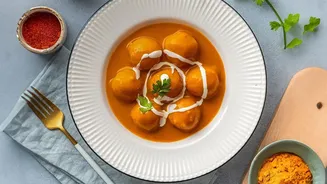
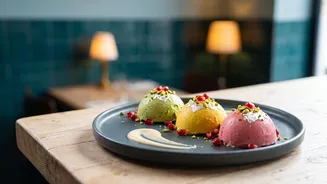
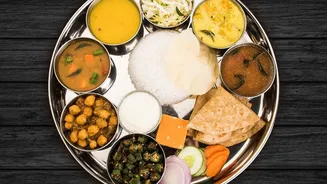
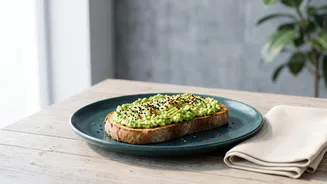
In response to this visual economy, chefs and restaurant owners are becoming part-time art directors. The design of a dish now often starts with the question: "How will this look on camera?" This has led to a surge in specific culinary trends engineered for visual impact. Vibrant, contrasting colours are key, with ingredients like passionfruit, ube, and matcha adding a photogenic pop. Textural variety—a crispy element next to a creamy one—is not just for the palate but also for the camera, creating a more dynamic image. Even the arrangement on the plate has evolved, with minimalism and negative space used to create an elegant, focused shot. Beyond the food, restaurants are investing in 'Instagrammable' interiors, from unique statement walls and art installations to specific lighting designed to make food photos look their best. Even the crockery is chosen for its photogenic qualities.
From Menu Description to Visual Catalogue
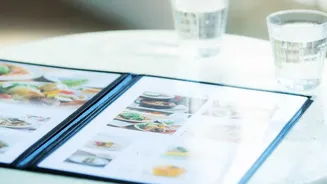
The menu itself is transforming from a simple list of options into a visual gallery. While physical menus with professional photos are a classic tool, the real change is in how digital menus operate. QR codes now often lead to online menus that are rich with high-quality images and even short videos of the food being prepared or served. This taps into a fundamental aspect of food psychology: seeing an appetizing image can stimulate hunger and desire, making a customer more likely to order. Neuroscience studies confirm that our visual system plays a massive role in drawing us to what looks appetizing. By providing a visual preview, restaurants are not just informing customers; they are actively whetting their appetites and influencing their ordering decisions before the waiter even arrives.
The Taste vs. Looks Debate
This intense focus on aesthetics has sparked a debate within the culinary world: is taste being sacrificed for looks? Critics worry that some establishments prioritize creating a viral-worthy dish over a genuinely delicious one, leading to food that looks better online than it tastes in real life. The pressure to create something visually novel can sometimes lead to gimmicks, like glitter on gravy or overloaded 'freakshakes', that photograph well but offer a disappointing flavour experience. However, most successful chefs and restaurateurs understand that visual appeal and taste must go hand-in-hand. The most enduringly popular dishes are those that deliver on the promise their appearance makes. The goal isn't to trick the customer but to use presentation as a prelude to an equally impressive taste experience, creating a cohesive and satisfying meal from first sight to final bite.
The Bottom Line: A Picture Is Worth a Thousand Bookings
For restaurants, the investment in visual appeal has a clear return. A single dish going viral on social media can drive a huge increase in foot traffic and fill reservation books for weeks. This user-generated content acts as a powerful, trusted endorsement, often seen as more authentic than traditional advertising. Some restaurants have built their entire brand around this strategy, creating an experience so visually unique that customers become brand ambassadors. By embracing the role of a diner as a content creator, restaurants are leveraging a vast, free marketing network. This strategy has proven so effective that some chefs have transitioned into full-time content creation, building personal brands that earn more than a traditional restaurant salary. In the end, a camera-ready dish isn't just about vanity; it's a calculated business decision that directly impacts the bottom line.