


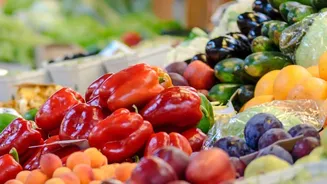
As winter approaches, the seasonal shift can make us more susceptible to colds and flu. Fortifying your body's natural defences is key. Thankfully, November's harvest in India offers a bounty of fresh produce packed with immune-supporting nutrients.
Citrus Fruits: Oranges and Kinnow
November
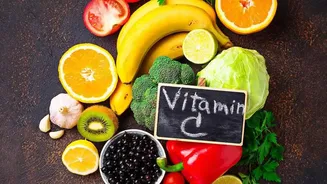
marks the beginning of the citrus season in India. Oranges and kinnows are celebrated for their high vitamin C content, a vital nutrient for immune function. Vitamin C is a powerful antioxidant that supports the production of white blood cells, which are essential for fighting off infections. Beyond immunity, the flavonoids in citrus fruits may also help reduce inflammation and support heart health. Enjoy them juiced, or simply eat them fresh to get the added benefit of dietary fibre.
Amla: The Indian Gooseberry
Amla is a true superfood, especially when it comes to immunity. It's one of the most potent natural sources of vitamin C, containing significantly more than an orange. This high vitamin C content helps stimulate the production of immune cells and enhances their ability to fight infections. Amla also possesses anti-inflammatory and antioxidant properties that protect cells from damage. Traditionally used to manage symptoms of the common cold, amla can be consumed raw, juiced, or as a powder to support your body's defences.
Guava: A Tropical Powerhouse
Often overlooked, guava is another fruit that peaks in winter and contains an exceptional amount of vitamin C—even more than many citrus fruits. This vitamin is crucial for reinforcing your body's natural defences against viruses and bacteria. Guavas are also a great source of dietary fibre, which supports a healthy gut. A healthy digestive system is increasingly recognised as playing an important role in a robust immune system. The fruit is also rich in vitamin A and potassium.
Pomegranate: Jewels of Winter
Pomegranates, with their vibrant, jewel_like seeds called arils, become widely available in November. They are packed with powerful antioxidants, including punicalagins and anthocyanins, which help combat oxidative stress and inflammation in the body. Some studies suggest the antioxidant potential of pomegranate juice is even greater than that of red wine or green tea. These compounds support overall health and contribute to a well_functioning immune system by protecting cells from damage.
Sweet Potatoes: A Root of Wellness
Sweet potatoes are a nutritious root vegetable perfect for the cooler weather. They are an excellent source of beta_carotene, a compound your body converts into vitamin A. Vitamin A is critical for maintaining the health of your mucosal barriers, particularly in the respiratory and digestive tracts, which are your body’s first line of defence against pathogens. A deficiency in vitamin A has been linked to reduced immunity, making sweet potatoes a valuable addition to your winter diet.
Spinach and Leafy Greens: Nutrient_Dense Defenders
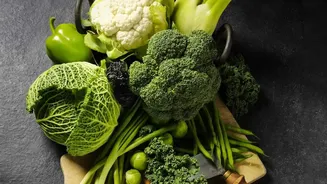
Winter greens like spinach (palak) and fenugreek (methi) are at their nutritional peak from November to February. Spinach is loaded with an impressive array of nutrients that support immunity, including vitamins A, C, and E, as well as iron and antioxidants. Vitamin C stimulates the production of infection_fighting white blood cells, while vitamin A helps maintain the integrity of mucosal surfaces. The antioxidants in spinach help protect immune cells from damage.
Ginger and Turmeric: The Warming Spices
While available yearround, ginger and turmeric are particularly beneficial during the colder months. Ginger is known for its warming properties and its ability to soothe a sore throat and reduce congestion. Turmeric contains curcumin, a compound with powerful antiinflammatory and antioxidant properties. When combined, these spices work together to support the immune system and reduce inflammation, helping your body stay resilient against seasonal illnesses. A warm cup of gingerarmetric tea can be a comforting and healthful daily ritual.