




The Official Forecast
The India Meteorological Department (IMD) has issued alerts for several northern states, predicting an active monsoon spell. For July 12, 2026, and the following days, heavy rainfall is expected in states including Uttarakhand, Himachal Pradesh, Punjab,
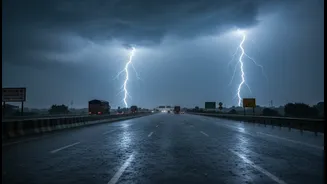
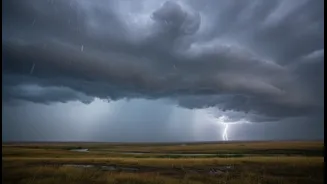
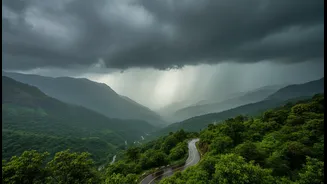
and parts of Uttar Pradesh. These showers are part of a broader weather pattern affecting north, east, and northeast India, driven by a persistent low-pressure system. The alerts warn of not just continuous rain but also the possibility of thunderstorms and gusty winds, which can create hazardous conditions, especially in hilly terrain.
Key Tourist Destinations on Alert
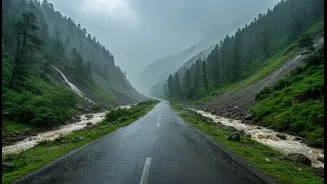
Popular destinations frequented by tourists during the monsoon are on high alert. In Uttarakhand, a yellow alert has been issued for districts including Dehradun, Nainital, Pauri, and Pithoragarh. The state, which is a major hub for religious tourism like the Char Dham Yatra, is at high risk for disruptions. Similarly, in Himachal Pradesh, areas like Shimla, Kullu, Manali, and Kangra are expected to receive significant rainfall. Heavy rains have already triggered road closures and travel disruptions in both states. Tourists planning to visit these areas are advised to exercise extreme caution.
The Primary Risk: Landslides and Floods
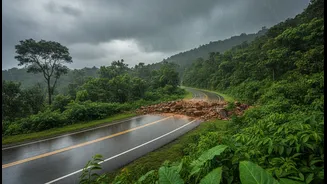
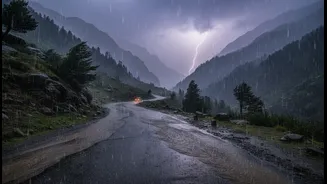
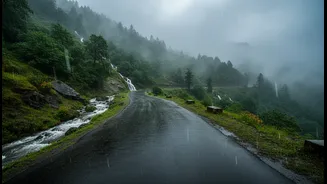
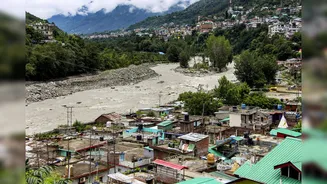
The biggest danger for travellers in the mountains during heavy monsoon showers is the increased risk of landslides and flash floods. Continuous rainfall saturates the soil on hill slopes, making them unstable. Reports from the past few days already confirm numerous road blockages in Uttarakhand and Himachal Pradesh due to landslides. In Uttarakhand, as many as 173 roads, including sections of the Yamunotri and Gangotri National Highways, were reported closed. Rockfalls have been reported along the Kalka-Shimla National Highway. These events can cut off access to entire valleys, leaving tourists stranded.
Travel Advisory for Those on the Road
If you are planning to drive to or through these regions, it is crucial to stay updated on weather and road conditions. Authorities strongly advise against travelling at night, as visibility is poor and the risk of encountering falling debris is higher. Before starting your journey, check with local authorities or use official apps for real-time information on road closures. Be prepared for significant delays and have an alternate plan. It is always safer to postpone travel to landslide-prone areas during red or orange alerts. Never attempt to cross overflowing streams or flooded roads.
Essential Safety Checklist
For anyone currently in or heading to these destinations, a few precautions can make a significant difference. Keep your mobile phones and power banks fully charged in case of power outages. Pack an emergency kit with essential medicines, dry clothes, a flashlight, and some non-perishable food and water. Inform your family or friends about your itinerary and check in regularly. It is also wise to book hotels with flexible cancellation policies, allowing you to change your plans if the weather deteriorates. Most importantly, follow all advisories issued by local disaster management authorities.