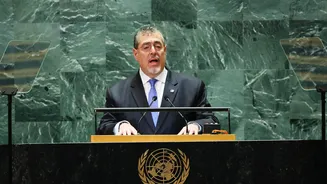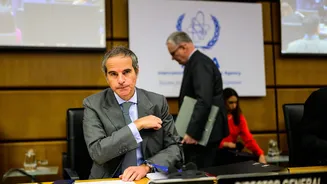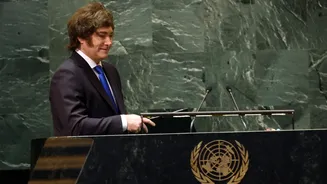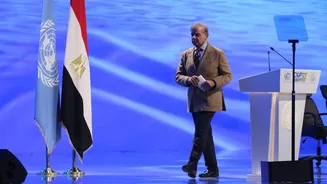






After two weeks of high-stakes negotiations and two gruelling overtime days, the COP31 climate summit in Antalya, Turkey, has ended in failure. No overarching agreement was reached, leaving delegates and observers deeply disappointed.
An Overtime Stalemate
The summit, which
ran more than 50 hours past its scheduled end, became the longest UN climate conference on record. Despite the extended time, negotiators from nearly 200 countries could not bridge their differences, leading to the first collapse of a COP summit since Copenhagen in 2009. The proposed 'Antalya Pact' was ultimately rejected, with COP31 President Murat Kurum formally closing the session without a consensus decision. The European Union, Panama, and the Marshall Islands were among those who formally objected to the final draft text, deeming it too weak to address the urgency of the climate crisis.
The Great Fossil Fuel Divide
The primary cause of the breakdown was an irreconcilable dispute over fossil fuels. A coalition of climate-vulnerable nations, alongside the European Union and the UK, insisted that any meaningful agreement must include language committing to a phase-out or transition away from coal, oil, and gas. However, this was staunchly opposed by several oil and gas-producing states, including Saudi Arabia and Russia, who argued against mentioning fossil fuels directly. They instead promoted a focus on carbon capture and storage technologies. The final draft text, which made no reference to transitioning away from fossil fuels, was described as 'unconscionable' by the EU and rejected.
The Unresolved Question of Climate Finance
Beyond fossil fuels, deep divisions remained over climate finance. Developing nations came to Antalya demanding concrete financial support from developed countries to help them adapt to climate impacts and transition to cleaner energy. A key point of contention was the failure to secure a firm commitment to triple adaptation financing. Developing countries also sought greater contributions to the Loss and Damage Fund, which was established to compensate vulnerable nations for unavoidable climate disasters. With requests to the fund far exceeding its available resources, the lack of a breakthrough on new financing left many developing nations feeling that their needs were once again being sidelined.
India’s Stance for a ‘Just Transition’
Throughout the negotiations, India positioned itself as a key voice for the Global South, emphasizing the principles of 'climate justice' and 'Common But Differentiated Responsibilities'. Indian negotiators argued that developed nations, responsible for the vast majority of historical emissions, must lead the way and provide adequate finance and technology transfer. New Delhi pushed for a 'just transition' framework that allows developing countries the policy space to pursue economic growth and poverty eradication without being bound by prescriptive global timelines that don't fit national circumstances. India resisted certain top-down targets, arguing that any transition must be backed by guaranteed financial support to protect jobs and ensure energy access for its large population.
A Blow to a Fragile Process
The collapse has raised serious questions about the effectiveness of the UN's consensus-based climate negotiation process. UN Secretary-General António Guterres expressed his deep disappointment, blaming 'powerful fossil fuel interests' for obstructing progress. While the failure to adopt the Antalya Pact does not erase previous commitments like the Paris Agreement, it represents a significant political setback. It signals a breakdown in multilateral trust at a time when scientific reports warn that the world is rapidly running out of time to keep the 1.5°C warming limit within reach.