



Beyond Clipart and Stock Photos
For years, students have faced the same frustrating challenge: finding the right image for a presentation. The search often ends in a compromise with a slightly off-topic stock photo or a piece of dated clipart that detracts more than it adds. This time-consuming
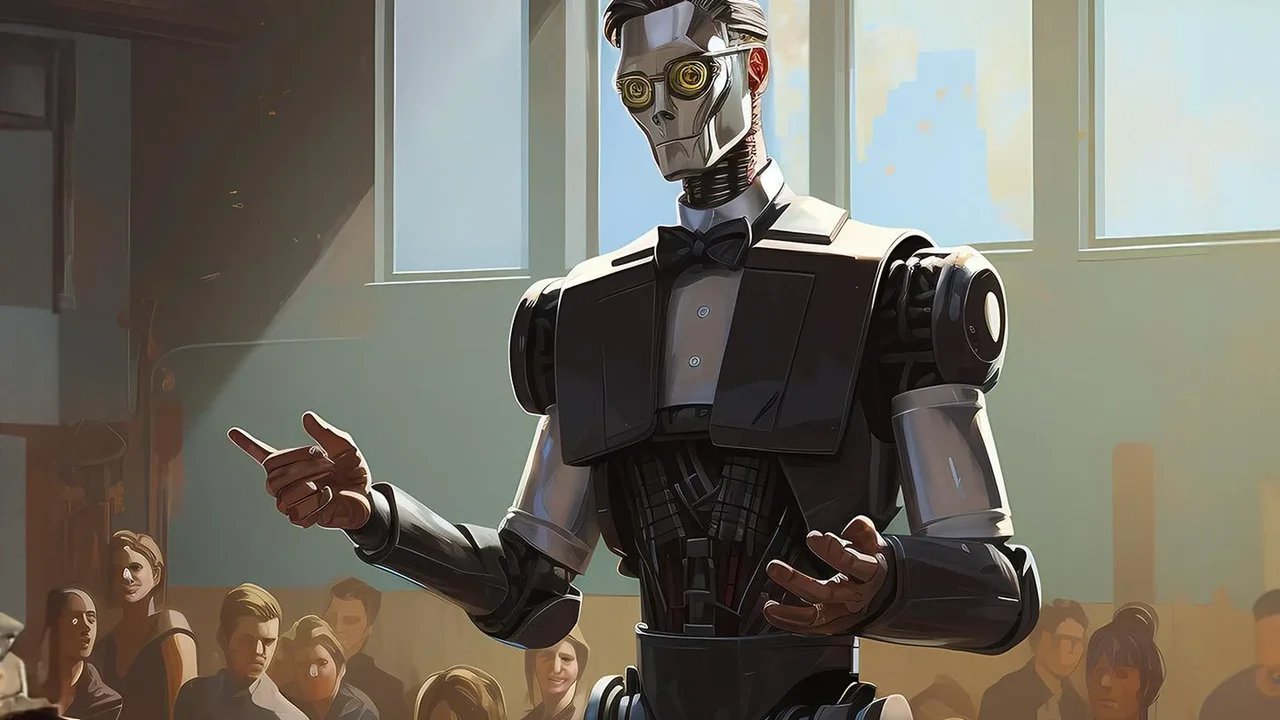
hunt for visuals can stifle the creative process, forcing a student's unique idea into a pre-existing visual box. AI image generators have emerged as a powerful alternative, offering a way to create visuals that are perfectly tailored to the subject matter. Instead of searching for a 'good enough' photo, students can now generate a specific, original image that precisely matches their vision, whether it's a complex scientific diagram or an abstract artistic concept.
A New Form of Visual Creativity
Using these AI tools requires a different kind of creativity, one that hinges on descriptive language and clear conceptualization. The art is in writing the prompt—the text description that guides the AI. A student wanting to illustrate a historical event or a literary theme must first think deeply about the scene, mood, and details, then translate that vision into words. This process can enhance storytelling and help students clarify their own ideas. By experimenting with different prompts, they can generate a variety of visual interpretations, encouraging creative exploration and leading to more engaging and impactful presentations that capture the audience's attention.
Popular Tools of the Trade
A growing number of AI image generators are accessible to students, many with free or affordable options. Tools like DALL-E 3, Midjourney, and Adobe Firefly have become popular for their ability to produce high-quality, artistic images from text. Many platforms that students already use, such as Canva and Microsoft Designer, have integrated their own AI image generators, making the technology incredibly easy to access. These tools are generally designed to be user-friendly, allowing someone with no graphic design experience to create professional-looking illustrations in a matter of seconds.
Navigating the Ethical Questions
The rise of AI in the classroom brings important ethical questions. Concerns about originality, copyright, and academic integrity are at the forefront for educators. Many educational institutions are developing guidelines that treat the unattributed use of AI-generated images as a form of plagiarism. The consensus is not to ban these tools, but to teach responsible use. This includes encouraging transparency, where students disclose that they have used AI to create their visuals. It's also crucial for students to critically evaluate the images they generate, as AI can sometimes produce inaccurate or biased content. By addressing these issues head-on, schools can help students use AI as a legitimate tool rather than a shortcut.
Building Skills for the Future
Learning to effectively use AI image generators is more than just a way to make a presentation look good; it's a skill with real-world value. The ability to craft precise prompts to generate a desired outcome, often called prompt engineering, is becoming a sought-after competency. It demonstrates an ability to communicate clearly with technology to achieve a creative goal. As AI becomes more integrated into various industries, from marketing to product design, students who are adept at using these tools will have a distinct advantage. They are not just learning to illustrate a school project, but are developing a form of digital literacy that will be essential in the modern workplace.