
The Promise of Automated Plant Care
Self-watering planters are designed to make plant ownership simpler. They feature a built-in reservoir that you fill with water, which is then drawn up into the soil through a wicking system. This process, known as capillary action, allows the plant to absorb
moisture from the bottom up as it needs it. The goal is to create a consistently moist environment, eliminating the stressful cycle of overwatering and underwatering that spells doom for many houseplants. In theory, it's a perfect system for busy people or those new to gardening, providing a steady water supply that mimics how plants draw from deep soil moisture in nature.
Why Your Plant's Roots Need to Breathe
It’s a common misconception that roots only absorb water. In reality, they also need to 'breathe'. Roots absorb oxygen from small air pockets within the soil to perform cellular respiration. This process converts sugars, produced in the leaves during photosynthesis, into the energy needed for the plant to grow and absorb nutrients. Without sufficient oxygen, this energy production shuts down. The roots can no longer function effectively, nutrient uptake ceases, and the plant essentially begins to suffocate from the ground up, even if it has plenty of water.
The Danger of Waterlogged Soil
The single biggest risk in a poorly managed self-watering system is not dehydration, but drowning. When soil becomes completely saturated, the air pockets that roots rely on for oxygen disappear. This anaerobic (oxygen-free) condition is the perfect breeding ground for fungi and bacteria that cause root rot. The roots, weakened by the lack of oxygen, become highly susceptible to these pathogens. They turn mushy and black, lose their ability to absorb anything, and the entire plant quickly wilts and dies. Ironically, a plant dying from root rot often looks thirsty, prompting owners to add even more water, which only accelerates the problem. Many self-watering designs fail because they keep the soil constantly soggy, creating a stagnant, airless environment.
Your Soil Choice is Everything
You cannot use dense garden topsoil in a self-watering pot. The success of the entire system hinges on using a lightweight, porous potting mix that facilitates both wicking and aeration. An ideal mix for a self-watering container should contain a high percentage of materials like perlite, vermiculite, or pumice. These components create the necessary air gaps, ensuring the soil remains light and fluffy even when moist. A good recipe often starts with a base of peat moss or coco coir for moisture retention, blended with at least 25-30% perlite or a similar aerating material. This structure allows water to wick upwards effectively without turning the soil into a dense, airless sludge.
Best Practices for Healthy Roots
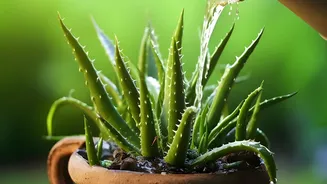
Beyond choosing the right soil, a few habits can ensure your self-watering system supports, rather than suffocates, your plants. First, avoid keeping the reservoir full at all times. Allowing it to run dry for a day or two before refilling helps pull fresh air into the soil. Some experts call this a 'dry phase' and it's crucial for root health. Second, ensure your planter has an overflow hole to drain excess water, especially for outdoor pots exposed to rain. Finally, choose your plants wisely. Species that prefer to dry out completely between waterings, like succulents and cacti, are generally not good candidates for self-watering systems. Thirstier plants like ferns and many tropicals, however, often thrive with this consistent moisture, provided their roots have room to breathe.