
Charting Your Course
The drive from Satara to the popular hill station of Mahabaleshwar is relatively short, covering a distance of approximately 55 to 60 kilometres. The most common route is via the SH58, a journey that typically takes under two hours. However, during the monsoon,
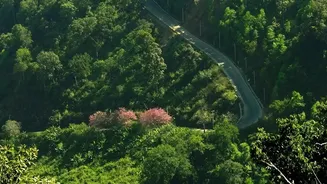
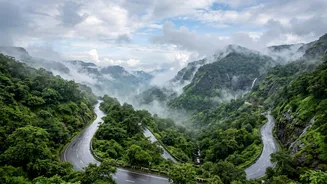
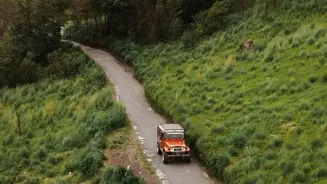
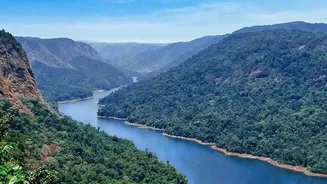
this drive is not about speed; it's about the experience. The winding ghat roads, often shrouded in mist, demand a slow and steady pace. This allows you to soak in the dramatic landscapes of the Sahyadri mountain range as they come alive with countless seasonal streams and lush vegetation. An alternative, equally scenic route can take you via Medha, which some travellers prefer for its beautiful vistas. Regardless of your choice, the journey itself, with its verdant valleys and cool, fresh air, is the main attraction.
Must-See Monsoon Marvels
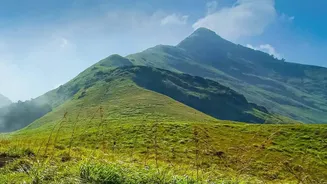
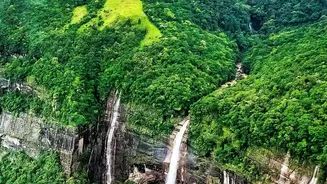
The region between Satara and Mahabaleshwar is dotted with attractions that are at their most spectacular during the rainy season. A key detour is to the Thoseghar Waterfalls, located about 20 kilometres from Satara. During the monsoon, what is a quiet cliff for most of the year transforms into a series of powerful, roaring cascades, with the main fall plunging from a significant height. A well-maintained viewing platform allows for safe admiration of this natural spectacle. While in the area, you can also visit the Chalkewadi Windmill Farms, where hundreds of windmills stand against a backdrop of rolling green hills, often amidst swirling clouds. Another nearby destination is the historic Sajjangad Fort, the final resting place of Saint Ramdas. While the famous Kaas Plateau's main flower bloom occurs post-monsoon (late August to October), the drive through this UNESCO World Heritage site area is still rewarding for its incredible greenery and biodiversity.
Embracing Mahabaleshwar in the Rains
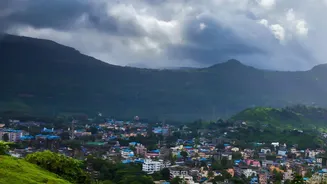
Upon reaching Mahabaleshwar, the monsoon magic continues. The town, which served as the summer capital during the British Raj, takes on a mystical, foggy charm. Popular viewpoints like Lodwick Point and Elphinstone Point offer breathtaking, albeit sometimes fleeting, views of the valleys and Pratapgad Fort through breaks in the clouds. Venna Lake, often enveloped in a gentle mist, provides opportunities for boating when weather permits. The waterfalls in and around Mahabaleshwar, such as Lingmala and Dhobi, are in their full glory. Instead of ticking off a checklist of sights, the best way to enjoy Mahabaleshwar in the monsoon is to embrace the atmosphere—enjoy a hot cup of tea and roasted corn from a roadside stall while watching the rain nourish the evergreen forests.
Navigating the Ghats Safely
Driving in the Western Ghats during monsoon requires caution and preparation. Roads can be slippery, and visibility can drop to near-zero in seconds due to heavy fog and rain. Always check your vehicle's tyres, brakes, and wipers before you start. Drive slowly, especially on sharp turns and downhill sections, and maintain a safe distance from the vehicle ahead. Be aware of the risk of landslides, which can cause road closures, particularly in the ghat sections like Kelghar Ghat. It's crucial to check local traffic advisories and road conditions before and during your trip. Avoid driving after dark if possible, as the combination of rain, fog, and unlit roads can be hazardous. Keep essentials like a first-aid kit, torch, and power bank handy.