



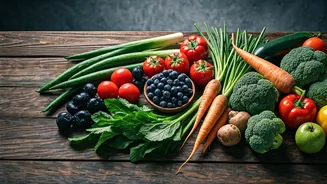




Gourds: The Monsoon Superstars
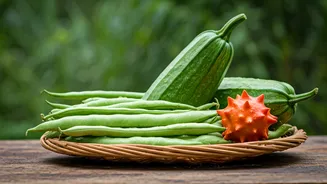
When the skies open up, gourds should be your go-to vegetables. Varieties like bottle gourd (lauki), ridge gourd (tori), and pointed gourd (parwal) are packed with water and essential nutrients but are incredibly light on the stomach. During the monsoon,
our digestive system tends to become sluggish. These vegetables are easy to digest and prevent issues like bloating and indigestion. Lauki, for example, is rich in fibre and has a cooling effect on the body. Parwal is loaded with vitamins A and C, which are crucial for fighting off common infections like the cold and flu. A simple sabzi or a hearty soup made from these gourds can be both comforting and restorative.
Bitter Gourd (Karela): The Immunity Booster
Many people scrunch their noses at the thought of karela, but this bitter vegetable is a powerhouse of health benefits, especially during the rainy season. It's renowned for its antimicrobial and antioxidant properties, which help fortify your immune system against infections. Bitter gourd is also excellent for managing blood sugar levels and promoting gut health. The humid weather can create a breeding ground for harmful bacteria, and karela’s properties help maintain a healthy internal environment. If the bitterness is too much, try marinating it in salt before cooking or pair it with jaggery or potatoes to balance the flavour in a delicious bhurji or stuffed preparation.
Okra (Bhindi): The Fibre-Rich Friend
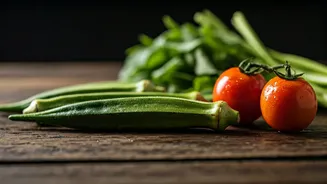
Lady's finger, or bhindi, is another excellent choice for the monsoon diet. It's a great source of both soluble and insoluble fibre, which is vital for maintaining a healthy digestive tract. A happy gut is the foundation of good immunity. Bhindi helps regulate bowel movements and prevent constipation, a common complaint during this season. Furthermore, it is rich in Vitamin C, a key nutrient for bolstering your body's natural defences. Its low-calorie, high-fibre nature makes it a perfect addition to your meals, whether you prefer it simply stir-fried (bhindi fry) or in a light, tangy curry.
Root Vegetables: The Grounded Choice
Vegetables that grow underground, such as sweet potatoes (shakarkandi), yams (suran), and radishes (mooli), are generally a safer bet during the monsoon. They are less exposed to contamination from dirty rainwater and mud compared to leafy greens. Sweet potatoes are a fantastic source of Vitamin A and complex carbohydrates, providing sustained energy. Radishes are known for their ability to fight coughs and colds. These vegetables are hearty, filling, and packed with nutrients that can keep you strong. Roasting, steaming, or adding them to stews are all great ways to enjoy their earthy goodness.
Turmeric and Ginger: The Dynamic Duo
While not vegetables in the traditional sense, no monsoon diet guide is complete without mentioning fresh turmeric (kacchi haldi) and ginger (adrak). These rhizomes are nature’s medicine. Ginger is a phenomenal digestive aid, helping to soothe the stomach and fight nausea. It's also anti-inflammatory and helps clear congestion. Turmeric, with its active compound curcumin, is a potent anti-inflammatory and immunity-boosting agent. Start your day with a warm glass of ginger-turmeric water, or generously add them to your dals and sabzis. This simple habit can make a significant difference in keeping seasonal illnesses at bay.
A Note of Caution on Leafy Greens
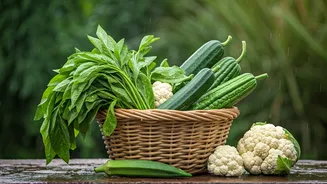
We all love our palak, methi, and other leafy greens, but the monsoon is a time to be extra cautious. The dampness, mud, and grime they carry can host a variety of germs and lead to stomach infections. If you must consume them, ensure they are thoroughly washed, perhaps by soaking them in a solution of salt or vinegar water for a few minutes. It's also crucial to cook them properly rather than eating them raw in salads. It is often wiser to limit their intake and focus on the other wonderful vegetables this season has to offer.