




The Problem with Polished Rice
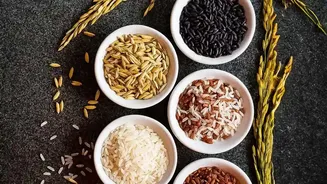
For generations, white polished rice has been a staple in Indian households. It's easy to cook, soft in texture, and universally loved. However, this convenience comes at a nutritional cost. The polishing process strips the rice grain of its most valuable
parts: the outer bran and the germ. What's left is mostly the starchy endosperm. This process removes a significant amount of dietary fibre, vitamins, and essential minerals. This lack of fibre can contribute to digestive issues and means the carbohydrates are broken down quickly, leading to sharper spikes in blood sugar. While fine for occasional consumption, a diet heavily reliant on polished rice misses out on key nutrients that are vital for maintaining a healthy gut microbiome.
Enter Foxtail Millet (Kangni): The Fibre Powerhouse
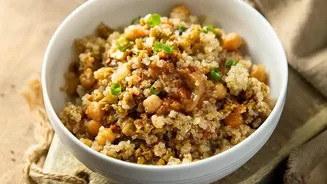
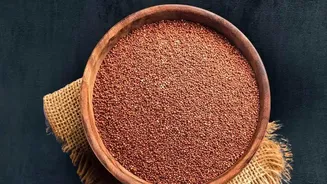
Foxtail millet, known locally as Kangni or Thinai, is a fantastic alternative to rice and a true friend to your digestive system. It is packed with dietary fibre—significantly more than polished rice. This fibre comes in both soluble and insoluble forms. Soluble fibre helps slow down digestion, allowing your body to absorb more nutrients, while insoluble fibre adds bulk to stool, promoting regular bowel movements and preventing constipation. But the benefits don't stop there. The fibre in foxtail millet acts as a prebiotic, which means it serves as food for the beneficial bacteria living in your gut. A well-nourished gut microbiome is linked to better immunity, reduced inflammation, and overall improved digestive wellness.
Sorghum (Jowar): The Gluten-Free Gut Protector
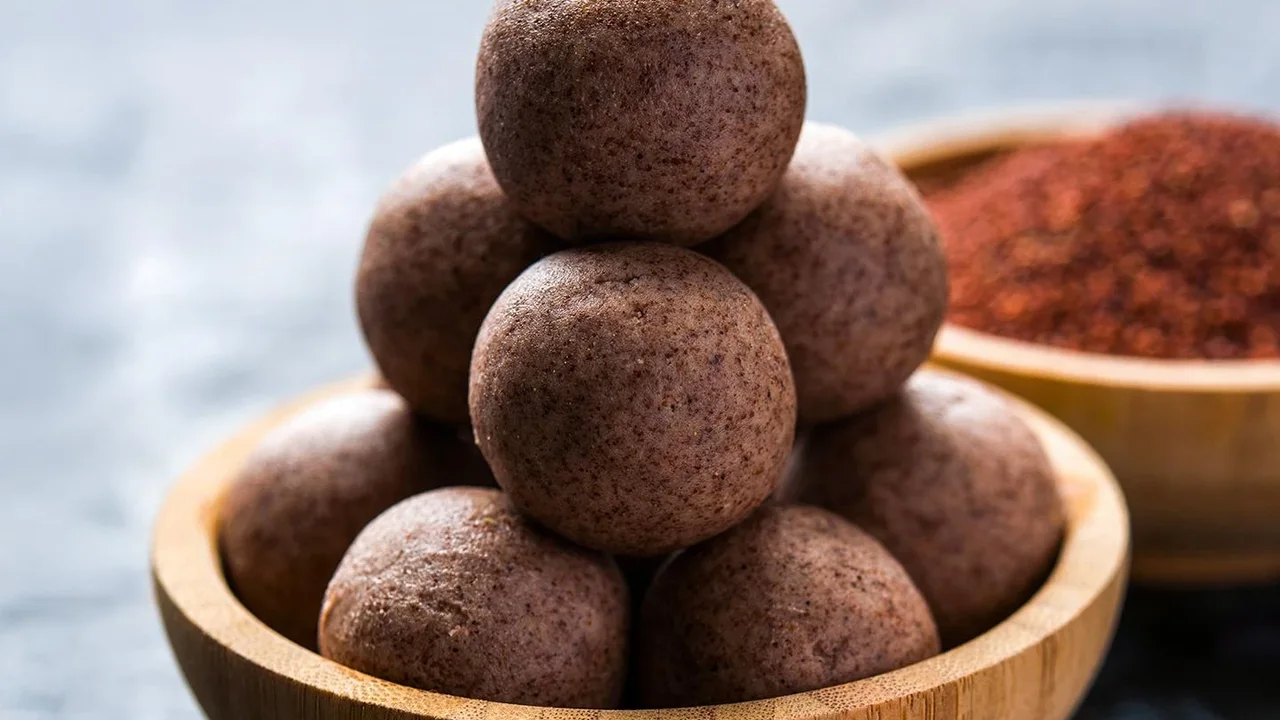
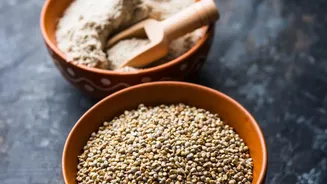
Sorghum, or Jowar, is another ancient grain making a well-deserved comeback. Naturally gluten-free, it is an excellent choice for those with sensitivities. Like foxtail millet, sorghum is rich in dietary fibre and also contains resistant starch. Resistant starch passes through the small intestine undigested and ferments in the large intestine, where it feeds healthy gut bacteria. This process helps produce short-chain fatty acids, which are crucial for maintaining the health of the intestinal lining and reducing inflammation. Furthermore, some varieties of sorghum are rich in polyphenols, which are antioxidants that can positively influence the diversity of your gut microbiome. Its lower glycemic index compared to refined grains also helps in better blood sugar management.
Why This Swap Supercharges Your Gut
The core reason this dietary upgrade works so well lies in one word: fibre. Polished rice is notoriously low in fibre, while millets like foxtail and sorghum are loaded with it. Dietary fibre is essential for gut motility, preventing issues like bloating and constipation. More importantly, the prebiotic nature of the fibre and resistant starches in these millets creates a thriving environment for a diverse range of good bacteria, such as Bifidobacterium and Lactobacillus. A healthy and diverse gut microbiome is the foundation of good digestion, stronger immunity, and even improved mental well-being. By choosing these unpolished, whole grains, you are not just eating, you are actively nourishing the trillions of microbes that work to keep you healthy.
How to Easily Make the Switch
Switching to millets doesn't have to be an overnight overhaul. The key is gradual integration. Start by replacing rice with millets for one or two meals a week. You can also try mixing a small portion of cooked millet with your regular rice to get accustomed to the new texture and taste. Foxtail millet and barnyard millet are often recommended for beginners as their texture is quite similar to rice. You can use these millets to make many of the dishes you already love, such as upma, khichdi, pulao, and even biryani. Sorghum flour is traditionally used to make rotis (jowar roti) but can also be used in pancakes and other baked goods. Remember to soak most millets for a few hours before cooking to improve their digestibility.