







The Science of the Sprout
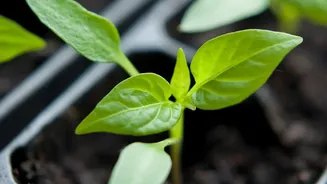
Soil temperature is the most critical signal that tells a seed it's time to wake up. Think of it as an alarm clock set by nature. While moisture and oxygen are essential, warmth is the trigger that activates enzymes within the seed. These enzymes convert
stored starches into the energy needed for the tiny plant to break through its protective coat and grow. Most common vegetable seeds have an ideal temperature range for germination, often between 20°C and 25°C. If the soil is too cold, this entire process slows dramatically or stalls completely, leaving seeds dormant or, in worst-case scenarios, causing them to rot in the cold, wet soil.
Your Balcony's Unique Climate
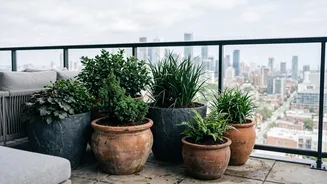
A balcony is a unique microclimate, often behaving differently from a garden at ground level. Concrete floors and walls act as heat sinks, but they can also make the space much colder, especially overnight and in shaded spots. This is made worse by unseasonable cool snaps. While a raised garden bed might warm up faster in the sun, a pot on a chilly concrete slab can remain cold for much longer, delaying germination. It’s a common mistake to assume that air temperature equals soil temperature; a simple soil thermometer can give you an accurate reading and is an invaluable tool for any container gardener.
Time to Recalibrate Your Calendar
The traditional advice of starting seeds a certain number of weeks before the last frost date still holds, but you may need to add a buffer. If you've noticed cooler springs, consider starting heat-loving plants like tomatoes and peppers indoors a week or two earlier than usual to give them a head start in a controlled environment. For seeds sown directly onto the balcony, patience is key. For example, carrots might take three weeks to germinate in 10°C soil but move much faster at 13°C. Instead of sticking rigidly to a date on the calendar, let the actual soil temperature be your guide for planting.
How to Create Coziness
You don't have to be at the mercy of the weather. One of the most effective tools for indoor seed starting is a seedling heat mat, which sits under your trays and can raise the soil temperature by 5–10°C, significantly speeding up germination. For seeds already on the balcony, you can create mini–greenhouses using plastic domes or by repurposing clear plastic containers like milk jugs or salad boxes. These trap solar heat and moisture, creating a warmer micro–environment for your pots. Even bringing your containers indoors overnight during a particularly cold spell can make a difference.
Work With Nature, Not Against It
If your balcony is consistently on the cooler side, leaning into cold–tolerant plants can lead to a more successful and less stressful gardening season. Many plants not only tolerate but thrive in cooler soil. Leafy greens like spinach, kale, and various lettuces are excellent choices. Root vegetables such as radishes and carrots also germinate well in cooler conditions. For flowers, pansies, violas, and snapdragons offer vibrant color without needing high heat. By choosing plants suited to your specific conditions, you can enjoy a lush balcony garden even when the weather isn't cooperating.