






The Cracks in the Foundation
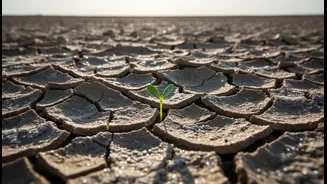
For decades, Indian agriculture has been defined by a reactive approach. When pests attack, we spray. When soil fertility drops, we add chemical fertilisers. This model, born from the Green Revolution, delivered food security but came at a high ecological
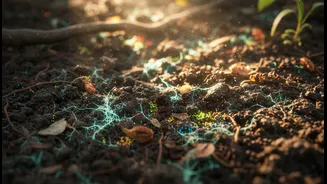
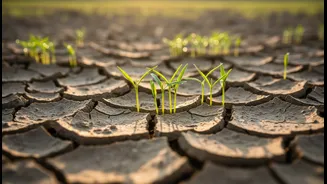
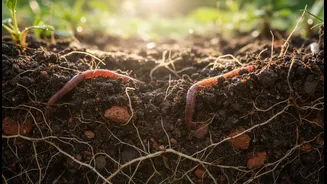
cost. Today, the bill is coming due. Experts warn that soil biological health is a critical blind spot, with widespread degradation caused by indiscriminate pesticide use, monocropping, and excessive fertiliser application. This has led to soil that is less fertile, less able to hold water, and more dependent on chemical inputs. The result is a cycle of diminishing returns, where more inputs are required just to maintain yields, squeezing farmer profits and threatening long-term sustainability.
Enter the Builders
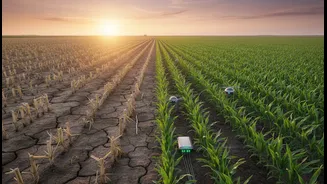
The new vision for agriculture reframes these challenges not just as biological problems, but as engineering and design problems. It calls for 'builders'—a diverse group of professionals including software developers, data scientists, engineers, and biotechnologists—to construct new systems from the ground up. Instead of merely treating symptoms, these builders are architecting solutions. They are creating platforms that integrate data from satellites, drones, and on-ground sensors to give farmers a precise, real-time view of their fields. This approach, known as precision agriculture, is about applying the right input, at the right rate, in the right place, and at the right time. The goal is to build a resilient, efficient, and data-driven agricultural ecosystem.
Rebuilding Soil From the Ground Up
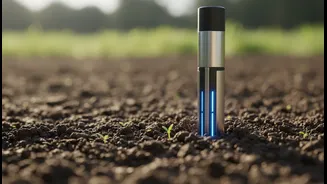
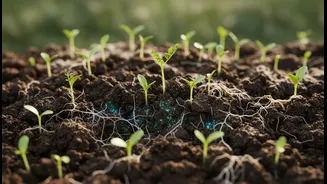
Healthy soil is the foundation of productive farming, and builders are developing innovative ways to restore it. This goes beyond simply adding nutrients. Regenerative agriculture, for example, focuses on practices that actively rebuild soil organic matter and restore biodiversity. Tech startups are creating tools to accelerate this process. Some are developing biochar, a charcoal-like substance that improves soil structure and water retention when added to fields. Others are creating sophisticated soil sensors and AI-powered platforms that provide farmers with detailed analysis and recommendations. Companies like Fasal and CropIn use IoT sensors and data analytics to give farmers real-time insights on soil moisture, pH, and nutrient levels, allowing for targeted interventions instead of blanket fertiliser application.
Designing Smarter Defences Against Pests
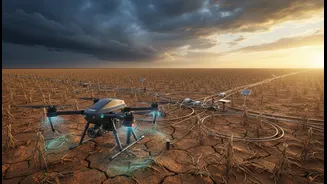
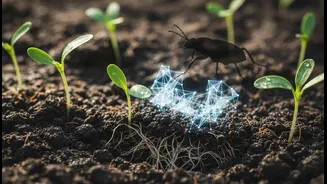
The war on pests is also getting a high-tech redesign. The old model of broad-spectrum pesticide spraying is inefficient and environmentally damaging. Today’s builders are creating targeted, intelligent defence systems. Drones equipped with multispectral cameras can fly over vast fields, identifying pest infestations with pinpoint accuracy before they spread. This allows for surgical strikes with pesticides, sometimes reducing chemical use significantly. Artificial intelligence is also being deployed to create early warning systems. By analysing data on weather patterns, soil conditions, and historical pest outbreaks, AI models can predict when and where infestations are likely to occur, allowing farmers to take preventative action. This shifts pest management from a reactive chore to a proactive strategy.
Constructing the Farm of the Future
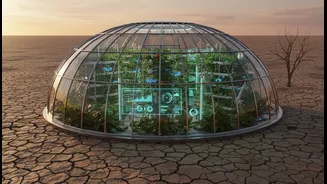
The convergence of these technologies points toward a future where farms are highly integrated, automated, and intelligent systems. The government's Digital Agriculture Mission and the growth of over 1,700 agritech startups are accelerating this transformation in India. Platforms like AgriStack are creating the digital public infrastructure needed for these new tools to flourish. We're seeing the rise of service-based models where farmers don't need to own expensive equipment like drones; they can simply book a spraying service via an app. This 'Farm-as-a-Service' model makes advanced technology accessible even to smallholders. From automated irrigation systems that conserve water to blockchain platforms that ensure supply chain transparency, these builders are not just solving old problems—they are constructing an entirely new, more resilient foundation for Indian agriculture.