


The Old Way vs. The New Way
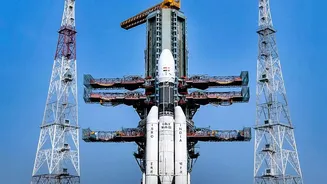
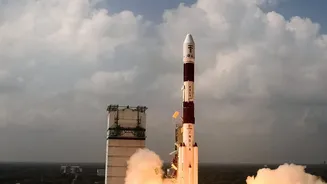
For decades, launching and moving satellites in space has relied on chemical propulsion. Think of it like a series of controlled explosions: a fuel and an oxidiser are mixed and ignited to create a powerful, but short-lived, burst of thrust. This method
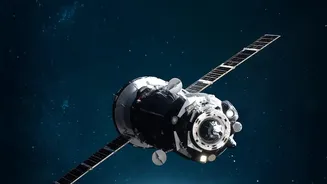
is great for getting a heavy rocket off the ground, but it's inefficient for the finer, long-term adjustments a satellite needs in orbit. The biggest drawback is the weight. A significant portion of a satellite’s launch mass is just the chemical fuel it needs to carry for its entire operational life. This is where ISRO's next-generation electric propulsion system comes in. Instead of forceful chemical combustion, it uses electricity—often from solar panels—to generate a gentle but incredibly efficient and long-lasting push.
How Plasma Pushes a Satellite
The new system is a type of Hall-effect thruster, which sounds like something from a science fiction movie but is very real. It works by taking a small amount of an inert gas, like xenon, and using an electric current to strip electrons from its atoms. This process turns the gas into a plasma—a superheated state of matter made of charged ions and electrons. A magnetic field then traps the electrons while an electric field accelerates the much heavier positive ions, shooting them out of the thruster at extremely high speeds, up to 20 times faster than the exhaust from a chemical rocket. Each individual ion doesn't provide much of a push, but over hours, days, and weeks, this constant, gentle stream of ions creates significant momentum. It’s the ultimate space-age example of 'slow and steady wins the race'.
The Weight-Loss Secret Explained
The main advantage of this technology is its remarkable efficiency, measured by something called 'specific impulse'. In simple terms, it’s the space equivalent of a car's mileage. Chemical rockets have low mileage; they use a lot of fuel to get a certain amount of push. Electric propulsion has phenomenal mileage. ISRO's new plasma thrusters are at least six times more efficient than their chemical counterparts. This means a satellite needs to carry far less propellant to perform the same manoeuvres or last for the same amount of time. For some satellites, the fuel requirement could drop from over 2,000 kilograms of chemical propellant to just a couple of hundred kilograms of xenon gas. This drastic weight reduction is the game-changer, freeing up mass and volume on the satellite for what really matters.
Lighter, Longer, and More Capable
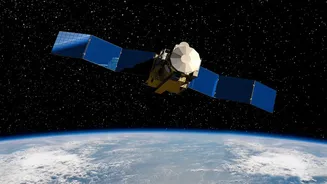
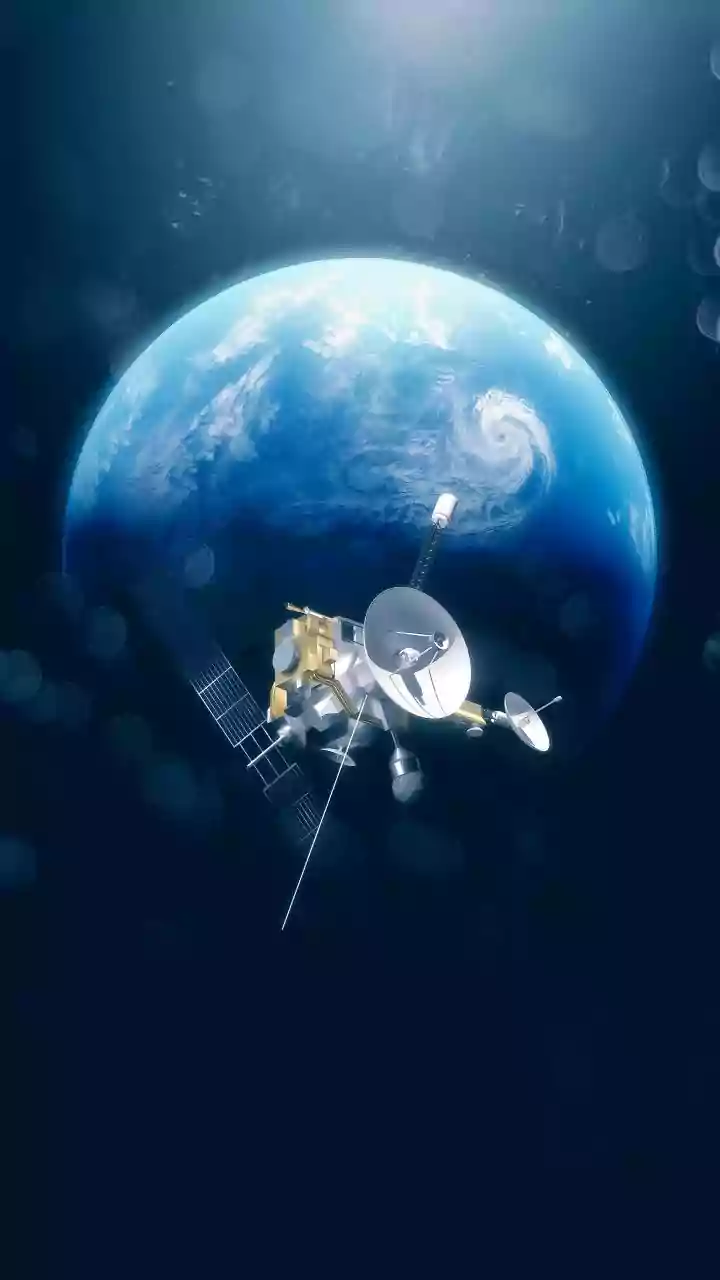
Reducing the fuel load has a cascade of positive effects. First, a lighter satellite is cheaper to launch, as it requires a less powerful—and less expensive—rocket to get it into orbit. Alternatively, for the same launch cost, ISRO can pack more instruments and technology onto the satellite. For a communication satellite, this means more transponders, which translates to more bandwidth for services like television broadcasting, internet, and mobile communication. This technology also dramatically extends a satellite's lifespan. With a highly efficient engine, a satellite can perform station-keeping manoeuvres—the small adjustments needed to stay in its correct orbital slot—for many more years, delaying the need for costly replacements and ensuring service continuity. It gives satellites the endurance for long-haul journeys across the solar system, making future interplanetary missions more feasible.
What This Means for India's Space Future
By mastering electric propulsion, ISRO is not just trimming the weight of its satellites; it's sharpening its competitive edge in the multi-billion-dollar global space industry. The ability to launch more powerful satellites for less money makes India an even more attractive partner for other nations looking to send their payloads to space. Internally, this technology is a crucial enabler for ISRO’s most ambitious projects. It lays the groundwork for more complex deep-space science missions, potentially to Venus or Mars, and is essential for maintaining the long-term health of our own navigational and communication satellite constellations. ISRO has already conducted extensive ground tests, including a crucial 1,000-hour continuous firing test, to prove the thruster's reliability. The successful integration of this technology into its upcoming satellites marks a pivotal step toward a more self-reliant and powerful Indian space programme.