



The Immediate Threat: Rivers on the Rise
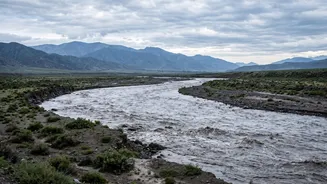
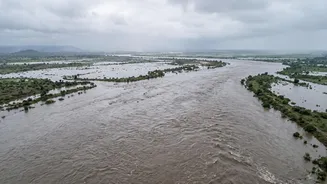
A catastrophic flood event in Nepal, reportedly triggered by a glacial lake outburst or a massive landslide near the Tibet border, has sent an unprecedented wave of water down the Bhote Koshi-Trishuli river system. This system feeds directly into the Gandak
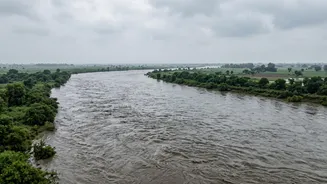
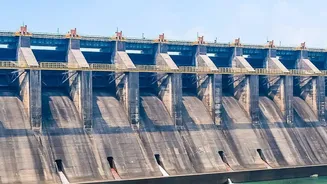
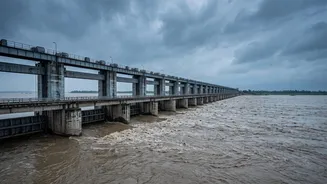
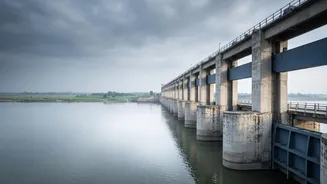
river, also known as the Narayani, which flows across the border into India. Authorities in both UP and Bihar are now anxiously monitoring water levels, with the primary concern centered on the Gandak basin. In response to the surge, officials at the Valmikinagar Barrage in Bihar's West Champaran district opened all 36 gates to manage the flow. The rush of water threatens to inundate low-lying areas in several districts. In Bihar, a high alert has been sounded for at least nine districts, including West Champaran, East Champaran, Gopalganj, Muzaffarpur, Vaishali, and Saran. In Uttar Pradesh, the districts of Maharajganj and Kushinagar are under intense scrutiny due to their proximity to the Gandak.
An All-Out Official Response
The response from both state and central governments has been swift. Union Home Minister Amit Shah has spoken with the chief ministers of both states and assured them of all possible assistance. The National Disaster Response Force (NDRF) has been put on high alert and has mobilized teams across the potentially affected regions. At least 11 NDRF teams are deployed in Uttar Pradesh and nine in Bihar. Specifically, teams have been stationed in vulnerable districts like Kushinagar in UP and West Champaran and Muzaffarpur in Bihar to handle rescue and relief operations. State authorities have cancelled the leave of officials in their water resources departments and instructed district magistrates to maintain round-the-clock surveillance. Public announcements are being made in vulnerable villages, urging residents in low-lying areas to evacuate to safer, higher ground as a precautionary measure.
A Perennial Cross-Border Challenge
This annual threat is rooted in geography. Major river systems like the Kosi and Gandak originate in the high Himalayas of Nepal and flow down into the flat, densely populated Gangetic plains of India. When the monsoon is in full force, heavy rainfall in Nepal's catchment areas inevitably leads to a surge of water downstream. This year, the situation has been exacerbated by the sheer scale of the flash flood in Nepal, which has caused immense devastation and loss of life there. The incident has highlighted the critical importance of cross-border water management. India and Nepal have long-standing committees and agreements to share hydrological data and coordinate on flood control measures, particularly around key infrastructure like the Kosi and Gandak barrages. However, the speed and scale of events like this one test the limits of these protocols, underscoring the need for even more robust real-time information sharing and disaster planning.
The Human Cost and Long-Term View
For the millions of people living along these river basins, the threat of floods is a constant reality that shapes their lives and livelihoods. Each year, communities face the potential loss of homes, agricultural land, and livestock. The administrative focus is currently on preventing loss of life through timely evacuations and relief efforts. While the immediate impact of the water surge from Nepal was reportedly not as severe as initially feared by late Wednesday night, teams remain on high alert as the water continues to move downstream. The event serves as a stark reminder of the region's vulnerability, a situation experts believe is being amplified by climate change, which can lead to more extreme weather events like glacial lake outbursts and intense monsoonal downpours. Beyond the immediate crisis management, the recurring cycle of floods points to the urgent need for long-term solutions, including strengthening embankments, improving early warning systems, and investing in climate-resilient infrastructure on both sides of the border.