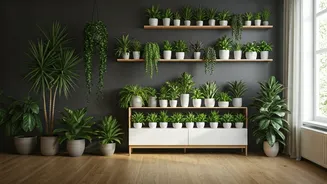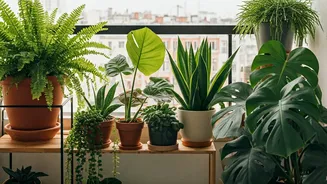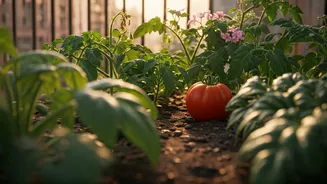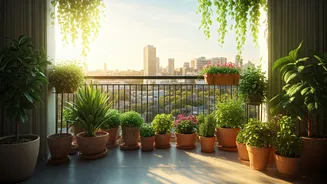




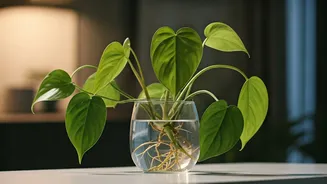


The Rise of the Living Kitchen
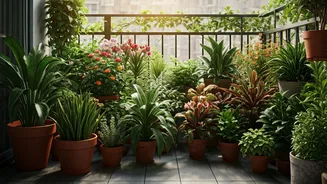
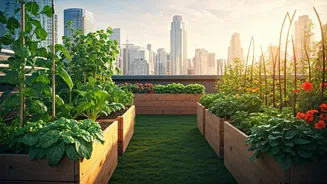
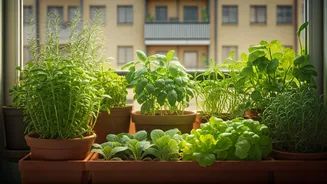
In cities like Mumbai, Bengaluru, and Delhi, where space is a premium, a subtle but significant shift is underway. Families are increasingly dedicating precious square footage not to another piece of art or a decorative trinket, but to pots of living,
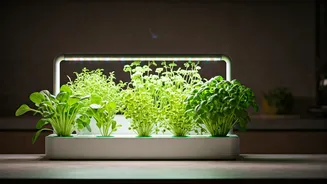
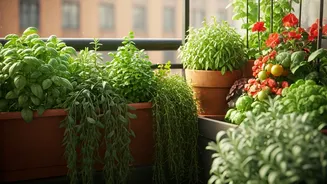
breathing plants. This isn't just about adding a splash of green; it's a move towards functional beauty. The new centrepiece is a cluster of tulsi, mint, and coriander plants, ready to be plucked for the morning chai or evening dal. This trend reflects a deeper desire to connect with nature and our food sources, turning sterile urban apartments into interactive, living ecosystems.
More Than Just a Garnish
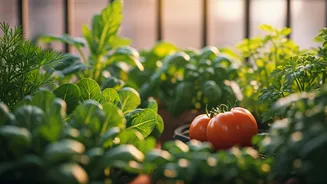
The appeal of a home herb garden goes far beyond aesthetics. For many, it's a conscious step towards a healthier lifestyle. Having fresh, pesticide-free herbs at your fingertips encourages home cooking and elevates the flavour of everyday meals without relying on processed ingredients. The mental health benefits are also a major driver. The simple act of tending to plants—watering them, watching them grow—has been shown to reduce stress and anxiety. In a world dominated by screens and concrete, nurturing a small patch of green offers a tangible, calming ritual that grounds us in the natural world.
A Classroom on the Windowsill
For families with children, an herb garden serves as a miniature, hands-on science lesson. It’s an opportunity to teach kids where food comes from, fostering an appreciation for nature and the patience required to grow something. Watching a seed sprout and turn into a plant they can eat is a powerful experience that a textbook cannot replicate. It teaches responsibility as they learn to water and care for their plants, and it can even encourage picky eaters to try new flavours they helped grow themselves. This living classroom connects children to the food cycle in a direct and meaningful way.
Getting Started: The Bare Essentials
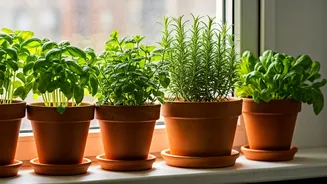
The beauty of starting an herb garden is its simplicity. You don't need a sprawling backyard or expensive equipment. All you need are a few basic items: pots with drainage holes, good quality potting soil, and a spot that receives at least 4-6 hours of sunlight a day, like a south-facing window or a balcony. You can start with seeds, which are cheaper, or opt for small saplings from a local nursery for a head start. The key is to start small. Begin with two or three herbs you use frequently to build your confidence before expanding your collection.
Five Easy Herbs for Indian Kitchens
Not all herbs are created equal when it comes to ease of growing. For beginners, it's best to choose hardy plants that thrive in our climate. Here are five foolproof options: 1. **Tulsi (Holy Basil):** Resilient and spiritually significant, it requires regular watering and plenty of sun. Perfect for teas and home remedies. 2. **Pudina (Mint):** This herb grows vigorously, almost like a weed. Keep it in its own pot to prevent it from taking over. Ideal for chutneys, raita, and drinks. 3. **Dhania (Coriander):** A staple in Indian cooking. It grows quickly from seeds (you can even use the ones from your kitchen) but needs consistent moisture and doesn't love extreme heat. 4. **Kadi Patta (Curry Leaves):** This is a small tree, so it needs a slightly larger pot. It’s a low-maintenance plant that provides an essential flavour for countless South and West Indian dishes. 5. **Ajwain (Carom):** The leaves have a distinct, pungent flavour and are great for home remedies for indigestion. It's a hardy plant that grows well in pots.