


From Sleek to Sensory
For the better part of a decade, the aspirational home was a study in flawless minimalism. Think high-gloss kitchen cabinets, polished marble floors, and perfectly smooth walls. It was an aesthetic built for the age of Instagram—clean, photogenic, and undeniably
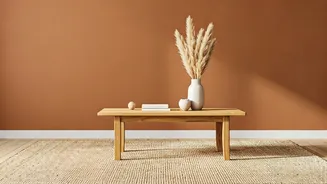
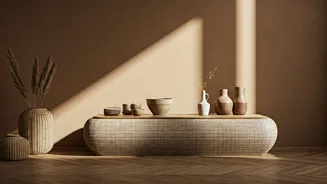
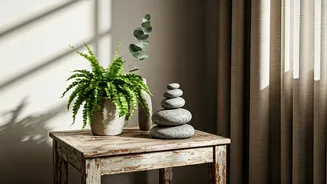
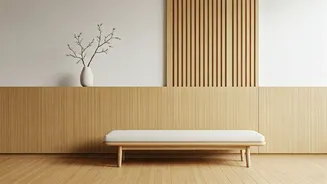
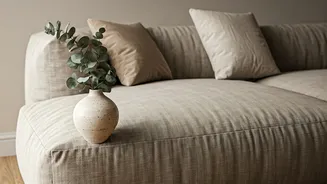
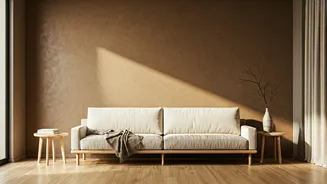
cool. But a quiet revolution has been brewing, and it’s all about touch. Today, the most coveted interiors are defined not by their shine, but by their texture. We're talking about the grainy feel of unfinished wood, the nubby weave of a linen cushion, the cool, porous surface of a terracotta pot, and the uneven finish of a lime-washed wall. This shift isn’t just about swapping one material for another; it’s a fundamental change in what we want our homes to feel like. We’re moving away from spaces that look untouched and towards environments that invite us to engage our senses.
A Pushback Against a Digital World
So, why the sudden craving for all things raw and rustic? The answer may lie in the device you’re using to read this. We spend hours a day staring at flat, glowing screens, living and working in a digital world that is slick and intangible. Our fingers glide over glass, but they rarely feel anything real. This sensory deprivation has created a collective yearning for a more tactile reality. Natural textures provide a powerful antidote to screen fatigue. They ground us in the physical world, reminding us of nature and a life beyond notifications and blue light. Running your hand over a rough-hewn wooden table or sinking your feet into a thick wool rug is a small but deeply satisfying act of rebellion against the disembodied nature of modern life. It’s a way of reconnecting with our bodies and the world around us.
The Indian Context: Rooted and Raw
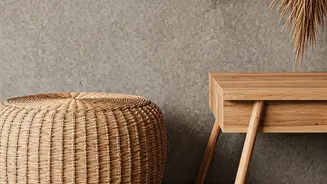
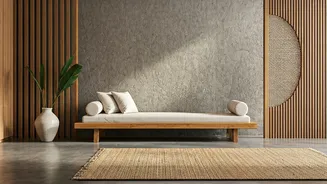
In India, this global trend feels less like a discovery and more like a homecoming. We have a rich heritage of using natural, handcrafted materials in our homes. Think of the timeless appeal of cane and rattan furniture (the classic 'mooda'), the earthy coolness of clay 'matkas', the breathable comfort of khadi and handloom textiles, and the rustic charm of jute rugs. For years, these materials were sometimes seen as old-fashioned. Now, a new generation of designers and homeowners is embracing them with renewed pride. This revival isn’t just about aesthetics; it’s also about supporting local artisans and sustainable practices. Choosing a handwoven dhurrie or a piece of cane furniture is a vote for craftsmanship that has been passed down through generations, making our homes not just beautiful, but also meaningful.
How to Weave Texture into Your Home
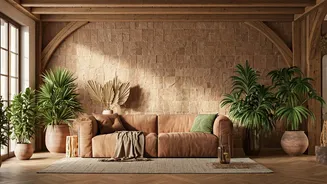
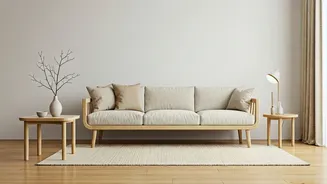
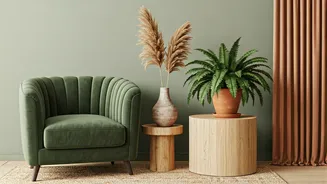
Bringing this trend home doesn’t require a complete overhaul. The beauty of texture is its ability to make a big impact in small doses. Start by layering. Swap out synthetic cushion covers for ones made of linen, cotton, or wool. Drape a handloom throw over your sofa. Place a woven jute or seagrass basket in a corner for storage. These small additions instantly add depth and warmth. If you’re feeling more ambitious, consider a statement piece. A live-edge wooden dining table, a rattan armchair, or a large terracotta planter can become a stunning focal point. On walls, consider textured wallpapers or paint finishes like lime wash, which create a soft, matte effect that catches the light beautifully. The key is to mix and match, creating a rich tapestry of materials that is interesting to both the eye and the hand.
More Than Just a Look
Ultimately, the rise of natural textures is about prioritising feeling over finish. It taps into philosophies like 'wabi-sabi', the Japanese concept of finding beauty in imperfection. A crack in a ceramic bowl or the knot in a piece of wood is not a flaw; it's part of its story and character. These materials age gracefully, developing a patina over time that adds to their charm. In a world obsessed with perfection and newness, embracing natural textures is a way to create spaces that are more forgiving, more personal, and more human. They offer a sense of calm and stability, turning a house from a showroom into a sanctuary that genuinely nurtures our well-being.