

Why Reconsider Polished White Rice?
Polished white rice is a staple in countless Indian households. However, the polishing process that gives it a pristine look also strips it of its most valuable components. The outer bran and germ layers, which are removed, contain the majority of the grain's
fibre, vitamins, and essential minerals like iron and magnesium. What remains is primarily starch, which can lead to rapid spikes in blood sugar. White rice has a high glycemic index (GI), a measure of how quickly a food raises blood sugar levels, often ranging from 72 to over 80. A diet high in refined grains can contribute to issues with weight management and blood sugar regulation over time.
The Power of Millets
Enter millets, the ancient super-grains making a well-deserved comeback. These small-seeded grasses are nutritional powerhouses, requiring less water to grow than rice, making them an eco-friendly choice. Unlike polished rice, unpolished millets are whole grains that retain their nutrient-rich outer layers. They are packed with protein, antioxidants, and most importantly, dietary fibre. This high fibre content is the key to their health benefits, promoting better digestion, feeding beneficial gut bacteria, and helping you feel full for longer, which can aid in weight management.
Spotlight on Foxtail Millet (Kangni)
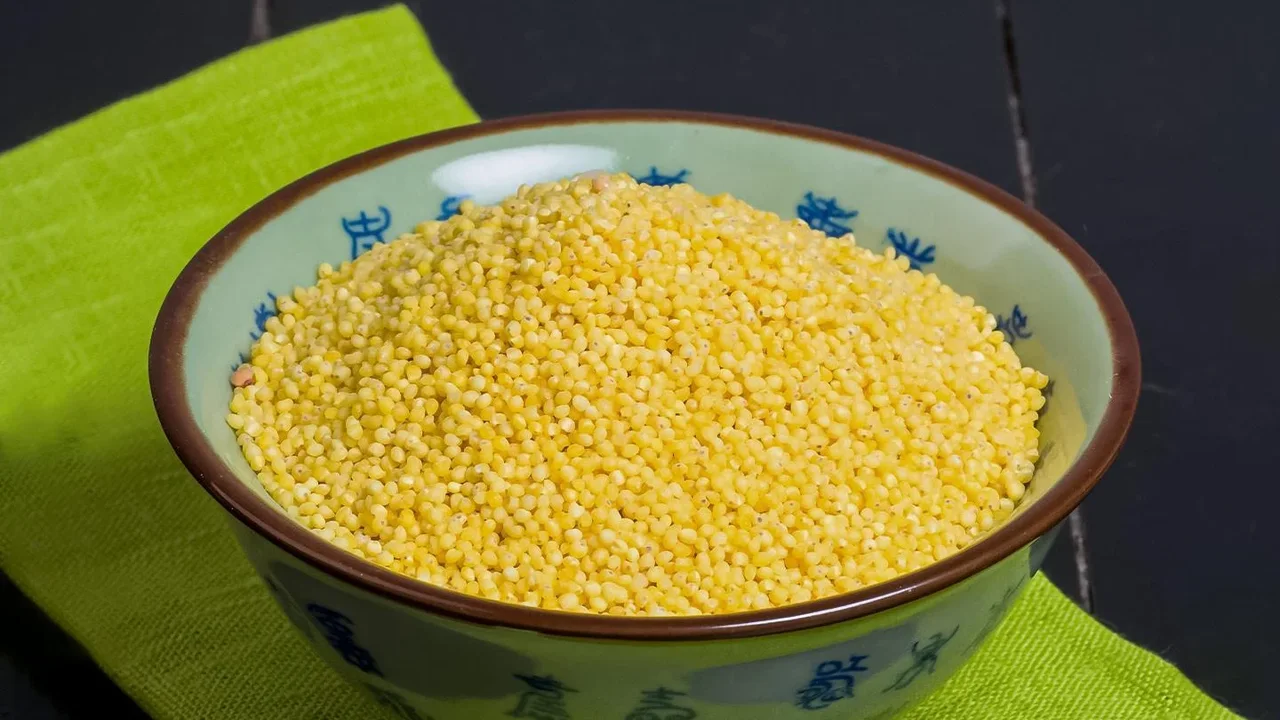
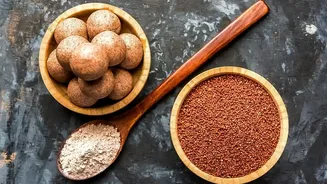
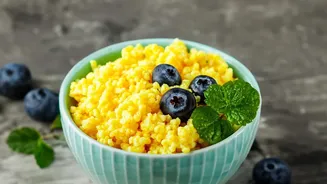
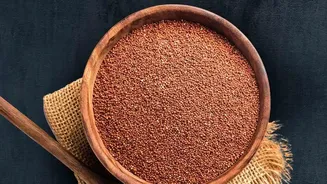
Foxtail millet, known as Kangni in Hindi or Thinai in Tamil, is a fantastic and versatile substitute for rice. Nutritionally, it far surpasses polished white rice, boasting nearly double the protein and about 25 times the dietary fibre. It is also a rich source of calcium and iron, minerals crucial for bone health and preventing anaemia. With a low-to-medium glycemic index of around 50, foxtail millet helps ensure a slow and steady release of glucose into the bloodstream, making it an excellent choice for managing blood sugar levels and improving heart health. Its mild, slightly nutty flavour makes it an easy addition to many dishes.
Spotlight on Sorghum (Jowar)
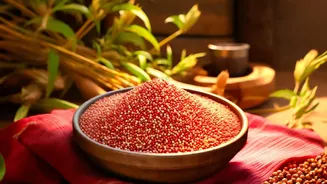
Sorghum, or Jowar, is another excellent high-fibre alternative. This gluten-free grain, which looks like large couscous when uncooked, has a wonderfully chewy texture similar to pearl barley when cooked. It is a great source of plant-based protein and is loaded with antioxidants. Like other millets, Jowar's high fibre content helps in slowing down digestion and promoting a feeling of fullness. While its glycemic index is in the intermediate range, it is still significantly lower than that of white rice, making it a favourable option for better metabolic health. Its hearty texture makes it a satisfying base for salads, bowls, or as a side for curries and stews.
How to Make the Switch
Replacing rice with these millets is simple. To cook foxtail millet, start by rinsing it well. A common method is to soak it for at least an hour, though some sources recommend up to six hours to improve texture and digestion. Generally, you can use a ratio of one cup of millet to two or three cups of water. Bring the water to a boil, add the drained millet, and simmer covered for 15-20 minutes until the water is absorbed. For sorghum, you can use a similar stovetop method, using about three cups of water for every cup of grain and simmering for about 40-55 minutes until tender. If you're new to millets, try a 50/50 mix with rice to start, and then gradually increase the proportion as you get accustomed to the new taste and texture.