




The Green Wave in Urban Cafes
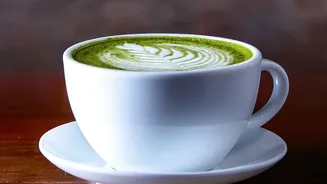
Once a rarity, artisanal matcha lattes are now a menu staple in cafes across Mumbai, Delhi, and Bengaluru. Major chains like Blue Tokai and Third Wave Coffee have prominently featured matcha, signalling a shift from a niche interest to a mainstream movement.
This isn't just a fleeting trend; it's a reflection of a growing consumer base, primarily urban millennials and Gen Z, who are seeking new experiences beyond the traditional chai or coffee. The Indian matcha market is expanding at a remarkable rate, growing nearly twice as fast as the broader tea market, driven by city dwellers looking for a drink that tells a story of health and global culture.
The 'Calm Alertness' Effect
The primary reason many are making the switch lies in how matcha makes them feel. While coffee delivers a powerful, fast-acting jolt of energy, it often comes with a subsequent crash and feelings of anxiety or jitters. Matcha offers a compelling alternative. It contains caffeine, but also a unique amino acid called L-theanine. This compound works in synergy with the caffeine to slow its absorption, resulting in a smoother, more sustained energy boost that can last for four to six hours without the dreaded crash. Devotees describe the feeling not as a frantic buzz, but as a state of “calm alertness”—ideal for work, study, or creative pursuits.
A Feast for the Eyes (and the Feed)
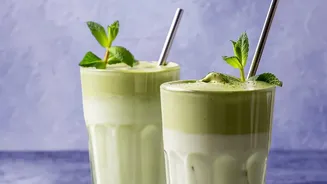
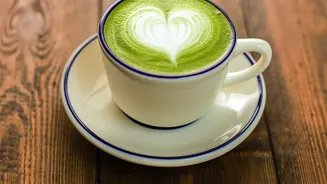
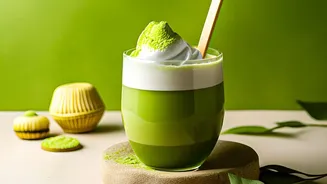
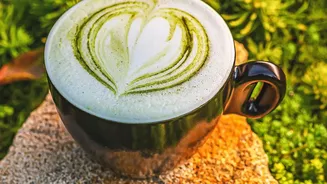
In today's highly visual culture, we often eat—and drink—with our eyes first. The striking, vivid green of a well-made matcha latte is undeniably photogenic, making it a star on social media feeds. For many young consumers, the aesthetic appeal of a cafe and its offerings is as important as the taste itself. An 'Instagrammable' drink serves as a form of self-expression and social currency. This has reshaped cafe culture, particularly in India, where a visually appealing beverage can drive foot traffic and generate organic marketing as customers share their beautifully crafted drinks online.
A Conscious Choice for Wellness
The move towards matcha is also deeply rooted in the larger global wellness movement. Today's consumers are more health-conscious than ever, actively seeking out food and drinks with functional benefits. Matcha fits this demand perfectly. It is packed with antioxidants, particularly catechins like EGCG, which are known to help protect cells from damage. Furthermore, unlike coffee which is acidic and can sometimes cause stomach irritation, matcha is generally gentler on the digestive system. For many, choosing a matcha latte over an iced coffee is a small but deliberate step towards a healthier lifestyle, without sacrificing the ritual of a daily cafe visit.
Not Just Any Green Tea
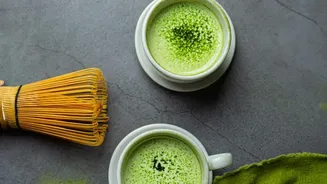
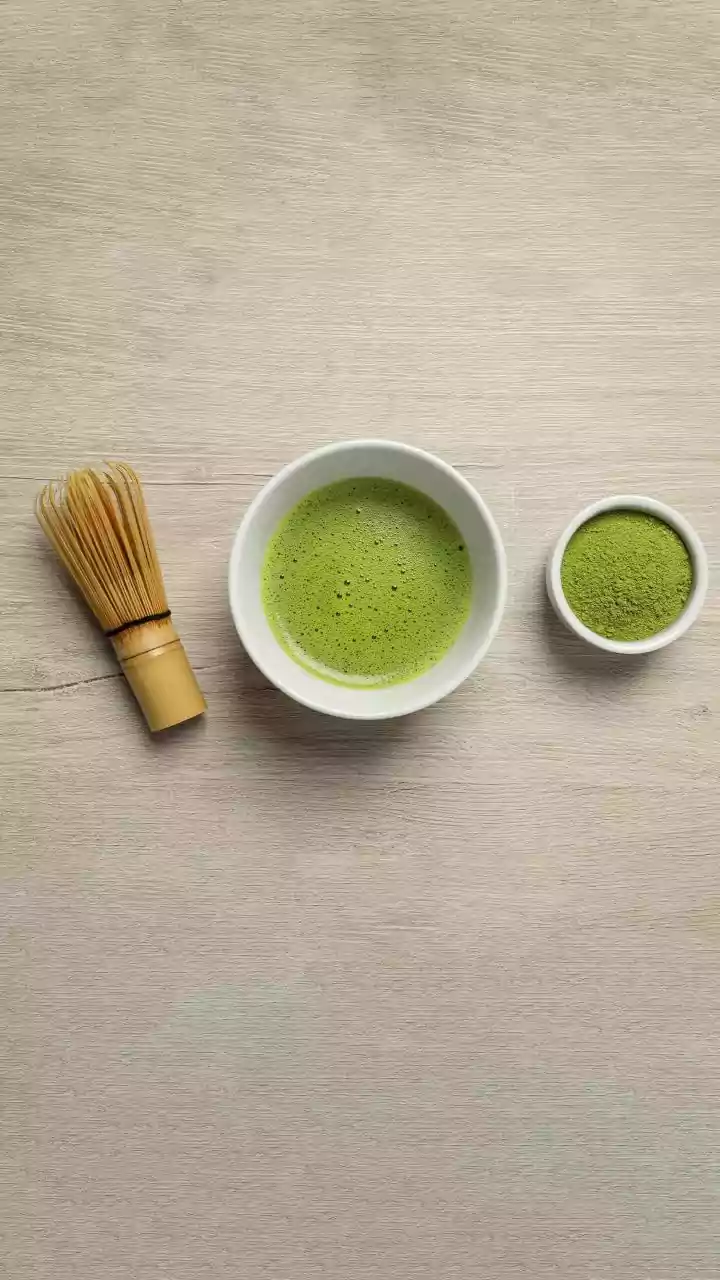
The drinks appearing in city cafes are a far cry from generic green tea powders. The term "artisanal" in the headline is key; top-tier cafes are using high-quality, ceremonial-grade matcha imported from Japan. This premium powder is made from young, shade-grown tea leaves that are finely stone-ground, resulting in a smooth, rich umami flavour and a vibrant colour, with none of the bitterness associated with lower-quality matcha. This commitment to quality elevates the drink from a simple novelty to a craft beverage, much like specialty coffee, and justifies its premium price point for consumers who can taste and feel the difference.