





Chemical and Structural Differences
At a molecular level, honey and table sugar share the same building blocks: fructose and glucose. Table sugar, or sucrose, is a disaccharide where one fructose molecule and one glucose molecule are bonded together. Before your body can use it, it needs
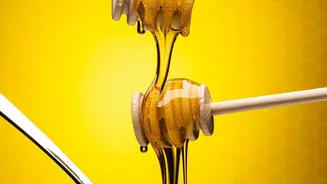
to break this bond. Honey, on the other hand, is a mix created by bees who have already done part of this work. It's mostly made of separate fructose and glucose molecules, along with about 17% water and trace amounts of other complex sugars. This difference in structure means your body digests honey more easily than sugar.
The Sweetness and Taste Profile
Honey generally tastes sweeter than sugar. This is because honey has a higher concentration of free fructose, which is the sweetest of the common natural sugars. Because it tastes sweeter, you might find yourself using less honey than sugar to achieve the same level of sweetness, which can be a way to manage calorie intake. Beyond just sweetness, honey offers a complex flavour profile that sugar lacks. While table sugar provides a clean, neutral sweetness, honey's taste is influenced by the types of flowers the bees visited. This can result in a wide range of notes, from light and floral to dark and malty, adding a distinct character to foods and drinks that sugar cannot.
A Tale of Two Calorie Counts
A common point of confusion is calories. A tablespoon of honey actually contains more calories than a tablespoon of sugar—around 64 compared to about 49. This is simply because honey is denser; a tablespoon of honey weighs more than a tablespoon of granulated sugar. However, gram for gram, honey has slightly fewer calories than sugar because of its water content. Since honey is sweeter, the ability to use less of it can potentially balance out the calorie difference in everyday use.
The Glycemic Index and Nutritional Value
The glycemic index (GI) measures how quickly a food raises blood sugar levels. Table sugar has a GI of around 65. Honey's GI is typically lower, averaging around 58, although it can vary depending on the floral source. This means honey raises blood sugar a bit more gradually than sugar. While this is a modest advantage, it is still a concentrated source of sugar. Nutritionally, this is where honey pulls ahead. Table sugar offers what are often called 'empty calories' with no other nutritional benefits. Raw honey, however, contains trace amounts of vitamins, minerals, enzymes, and antioxidants like flavonoids, which are associated with anti-inflammatory properties. But it's important to remember these are present in very small quantities.
Performance in the Kitchen
In cooking and baking, honey and sugar are not always interchangeable without a few adjustments. Sugar provides structure and helps create a crisp texture in things like cookies. Honey, being a liquid, adds moisture. This makes baked goods like cakes and muffins softer and can help them stay fresh longer. If you're substituting honey for sugar in a recipe, a general rule is to use about three-quarters of a cup of honey for every cup of sugar, reduce the other liquids in the recipe slightly, and lower the oven temperature by about 15°C, as honey browns faster.