

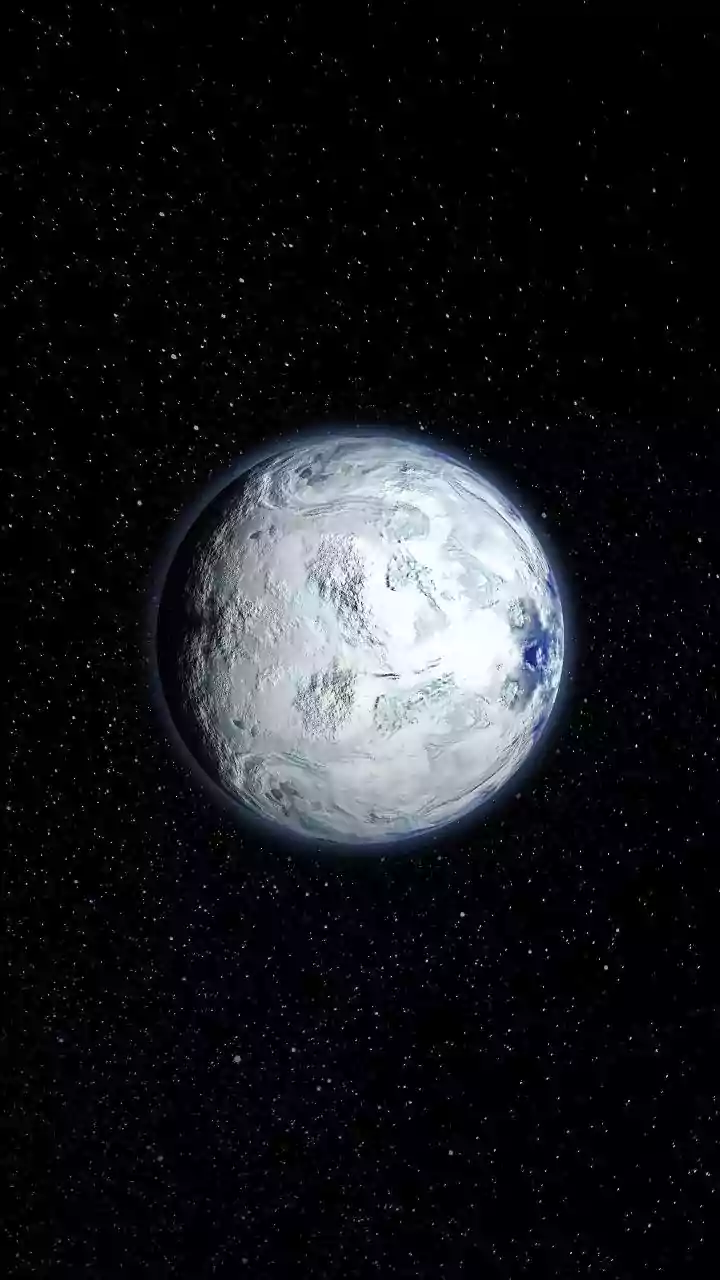


Beyond the 'Earth-Like' Benchmark
For as long as we have gazed at the stars, we have wondered if we are alone. This cosmic question has driven astronomers to scan the galaxy for exoplanets, worlds orbiting other stars, with a particular focus on finding 'Earth-like' planets. The logic
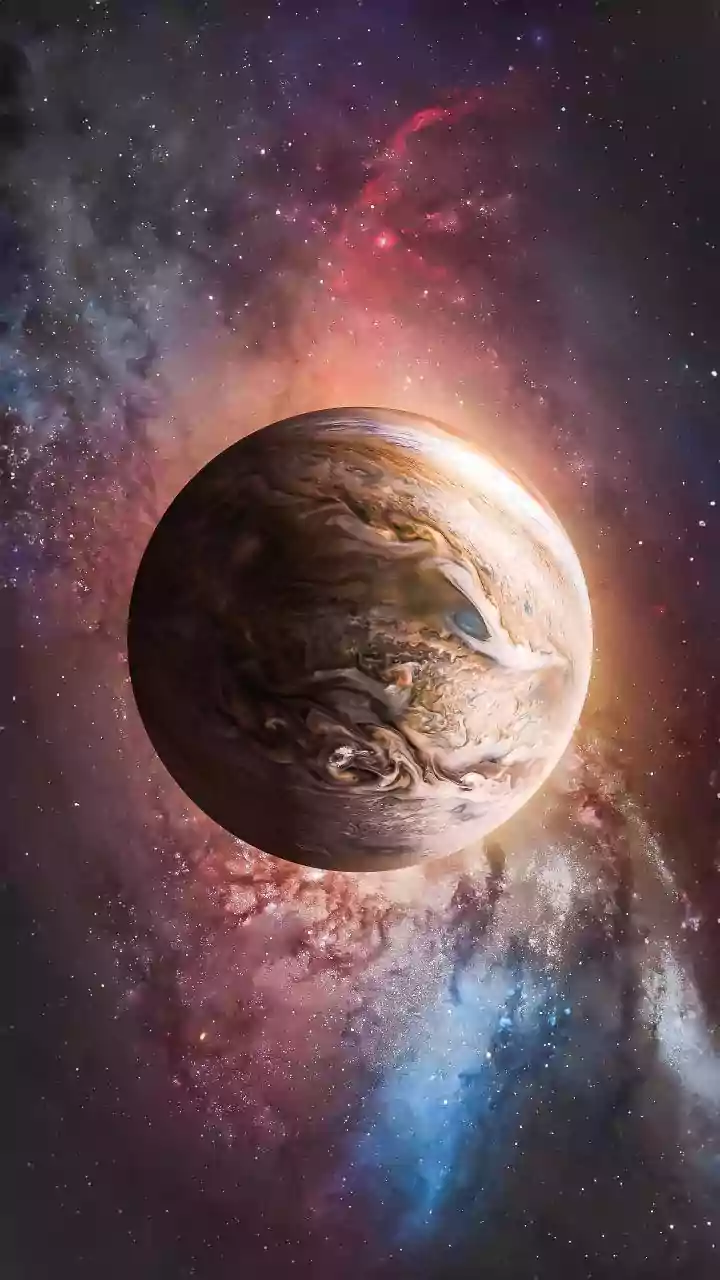
was simple: find a planet of similar size, temperature, and orbit, and you might just find a world capable of hosting life. But a growing number of scientists, led by researchers like astrobiologist Dirk Schulze-Makuch, are challenging this Earth-centric view. They propose that our planet may not be the peak of perfection when it comes to habitability. Instead, they argue, there may exist 'superhabitable' worlds, planets with conditions even more favourable to the emergence and evolution of complex life than Earth itself.
The Recipe for a Better World
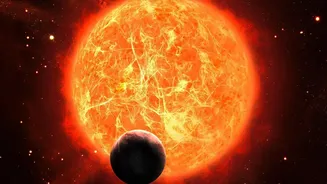
So, what does it take to be 'better' than Earth? The checklist for a superhabitable planet tweaks several of our own world's key characteristics. First, it would orbit a K-type dwarf star. These stars are cooler, less massive, and far longer-lived than our sun, a G-type star. While our sun has a lifespan of about 10 billion years, a K-dwarf can burn steadily for 20 to 70 billion years, giving complex life much more time to evolve. The ideal superhabitable planet would also be slightly older than Earth, perhaps between 5 to 8 billion years old. This provides a longer window for biological complexity to arise. Size also matters. A planet about 1.5 times Earth's mass and up to 10% larger in radius would be better at retaining its internal heat, powering long-term plate tectonics, and holding onto a thicker, more protective atmosphere.
A Warmer, Wetter, Gentler Planet
The ideal climate on a superhabitable world would be a bit toastier than ours, with a mean surface temperature about 5°C warmer than Earth's. This, combined with more atmospheric moisture, would encourage greater biodiversity, similar to how Earth's tropical rainforests teem with life. A thicker atmosphere would also provide better shielding from harmful cosmic radiation and could help distribute surface heat more evenly, preventing the formation of extreme ice caps. Furthermore, a slightly larger planet would have stronger gravity, helping it hold onto that life-sustaining atmosphere. The planetary system itself also plays a role; a large moon at a moderate distance can stabilize a planet's axial tilt, leading to more predictable seasons and a stable climate over geological timescales, a feature that has been crucial for life on Earth.
Finding Candidates in the Cosmos
This is not just a theoretical exercise. Scientists have already scoured the catalogue of thousands of known exoplanets to find potential candidates. In one landmark study, researchers identified two dozen planets that may fit some of the superhabitable criteria. While most are too far away for detailed study, they represent tantalizing targets. One of the most promising candidates is known as KOI 5715.01. Located about 3,000 light-years away, this planet is estimated to be around 5.5 billion years old and orbits a K-type dwarf star, placing it squarely in the sweet spot for superhabitability. It is about 1.8 times Earth’s size and has an estimated average surface temperature that is comfortable for life. While we cannot confirm its conditions from this distance, it represents a prime example of the kind of world astronomers are now seeking.
Earth Is Still Our Only Home
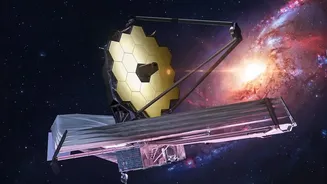
It is important to manage expectations. The notion of superhabitable worlds does not mean we have found planets teeming with advanced civilizations or that we are preparing for interstellar travel. These candidates are incredibly distant, and even our fastest probes would take tens of thousands of years to reach them. The true purpose of identifying these worlds is to create a priority list for the next generation of powerful observatories, like the James Webb Space Telescope. By pointing our instruments at the most promising targets, we can analyze their atmospheres for 'biosignatures'—gases like oxygen or methane that could indicate the presence of biological processes. The search is not for a new home, but for an answer to that age-old question: are we alone?