








What Exactly Is Cloud Coffee?
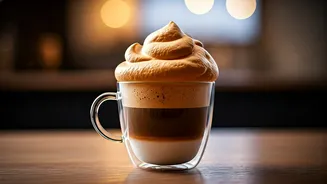
Imagine a coffee that looks as light and fluffy as a cloud. That’s the promise of this new beverage trend. Cloud coffee is less a specific recipe and more a style of drink defined by its incredibly airy, whipped texture. Think of it as the sophisticated,
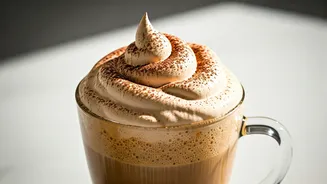
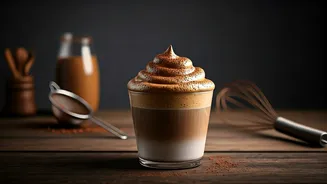
café-quality evolution of the Dalgona coffee craze that swept social media during the lockdown years. At its core, it features a base of coffee—often espresso or a strong concentrate—topped with a thick, velvety, and stable foam. This 'cloud' is usually made from milk or a non-dairy alternative that has been whipped into a meringue-like consistency, but sometimes the coffee itself is frothed into a light, airy mousse. It’s served cold, making it a direct competitor for your usual iced latte or cold brew.
The Art and Science of the Foam
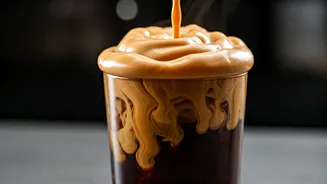
The magic of cloud coffee lies in its texture, which is achieved through specific techniques. Baristas aren't just steaming milk here; they are creating a stable, spoonable foam. Some cafes use specialised blenders or nitrogen infusion, similar to a nitro cold brew, to give the entire drink a creamy, cascading effect. More commonly, the topping is the star. This 'milk foam' is often made by whipping milk with a little sugar or syrup in a high-powered frother until it holds its shape. This creates a distinct separation of layers: the dark, intense coffee at the bottom and the billowy, white cloud on top. The result is a drink that’s as much a visual and textural experience as it is a caffeinated one. It’s designed to be sipped through the foam, giving you a mix of bitter coffee and sweet cream in every mouthful.
So Long, Cold Brew?
So why is this newcomer pushing out a beloved staple like cold brew? Cold brew earned its place by being smooth, low in acidity, and potently caffeinated, thanks to its long, slow steeping process. It’s a reliable, no-fuss workhorse. Cloud coffee, by contrast, is all about the flair. It’s theatrical. From a café's perspective, it offers several advantages. First, it’s highly Instagrammable. The distinct layers and fluffy top make for a stunning photo that regular cold brew, often just a dark liquid in a clear cup, can’t compete with. This visual appeal translates directly into free marketing as customers share their beautiful drinks online. Second, it offers a new 'premium' experience. The craft and perceived complexity involved in making cloud coffee can justify a higher price point, boosting a café's revenue. It taps into a consumer desire for novelty and treats coffee not just as fuel, but as a small, affordable luxury.
The Flavour vs. The Hype
But does it taste good? That’s the million-rupee question. The flavour profile is dramatically different from cold brew. Where cold brew is smooth and monolithically coffee-forward, cloud coffee is a dynamic experience. The initial taste is often the sweet, creamy foam, followed by the sharper, more bitter coffee underneath. For those who love complex textures and don't mind a sweeter profile, it’s a delightful treat. However, purists who appreciate the nuanced, chocolatey, or fruity notes of a well-made cold brew might find cloud coffee to be more of a dessert than a serious coffee drink. Its sweetness can sometimes mask the quality of the coffee itself. It’s less about tasting the origin of the bean and more about enjoying the combination of textures and temperatures in the cup.