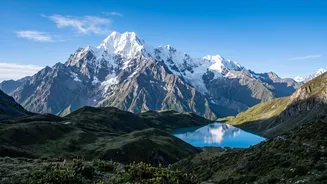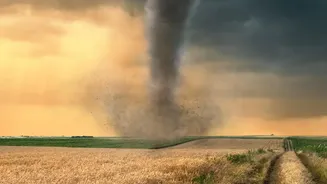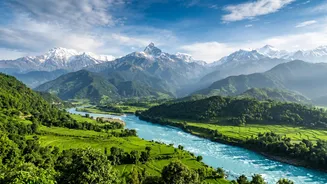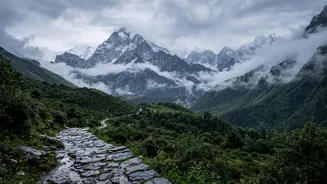



The Current Situation: A Focused Disaster
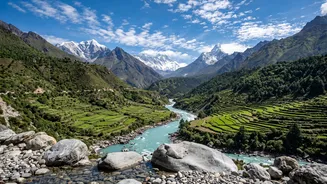
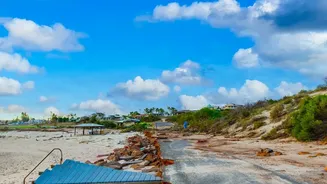
On August 26, 2026, a catastrophic flash flood, believed to have been triggered by a glacial collapse on the Tibet border, swept down the Bhote Koshi and Trishuli river systems. The disaster caused widespread damage in the northern Rasuwa district and downstream
through Nuwakot and Dhading districts. Key border towns like Timure and Syabrubesi, a gateway for the Langtang trekking region, were severely impacted, with significant loss of life and destruction of roads, bridges, and buildings. However, it is crucial to understand that this was a geographically concentrated event. Major tourist hubs like the capital Kathmandu, the lakeside city of Pokhara, and Chitwan National Park were not directly hit by the flooding.
Which Areas and Trekking Routes Are Affected?
The primary impact on travel is concentrated in the Rasuwa district and the Langtang region. The main road to the Langtang Valley trek starting point at Syabrubesi has been severely damaged, and authorities are advising travellers to postpone treks in this specific area. The Rasuwagadhi border crossing with China has also been destroyed. In contrast, most of Nepal's other major trekking regions remain completely unaffected and operational. The Everest region, including the route to Base Camp, is safe and accessible, with flights to Lukla operating normally. Likewise, the entire Annapurna region (including the Annapurna Circuit, Annapurna Base Camp, and Poon Hill), the Manaslu Circuit, and Mustang are all open for trekking.
Is It Safe to Travel to Major Cities?
For the vast majority of tourists, yes. Kathmandu's Tribhuvan International Airport (KTM) is fully operational for both international and domestic flights. All UNESCO World Heritage sites, hotels, and restaurants in the Kathmandu Valley are safe and operating as usual. Similarly, Pokhara, the main hub for Annapurna treks, is safe as a destination. The primary challenge has been overland travel. Parts of the Prithvi Highway, which connects Kathmandu to Pokhara and Chitwan, experienced temporary blockades, though these were being cleared. For travel between these main cities, flying is currently the most reliable option to avoid potential road disruptions.
Advice for Travellers with September Bookings
The most important step is to check your specific itinerary. If you are booked for a cultural tour of Kathmandu, a trip to Pokhara, or a trek in the Everest or Annapurna regions, your plans are likely to be unaffected. However, communication is key. Contact your airline or tour operator immediately to confirm your arrangements. They will have the most current information on the ground. If your booking involves the Langtang region, your operator should have already been in touch to discuss alternatives, such as re-routing to the Annapurna or Everest regions, or postponing your trip. Also, review your travel insurance policy to understand your coverage for trip changes or cancellations due to natural disasters.
Alternative Itineraries to Consider
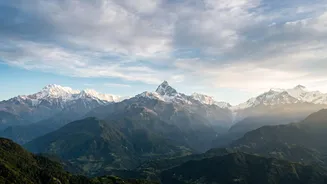
If the flooding has impacted your original plans for a Langtang trek, Nepal still offers a wealth of incredible alternatives for the autumn trekking season. The Annapurna Base Camp trek offers a classic Himalayan sanctuary experience surrounded by towering peaks. For those seeking a slightly less crowded trail, the Mardi Himal trek, also in the Annapurna region, provides spectacular views of Machhapuchhre (Fishtail). The Everest View Trek is a shorter option in the Khumbu region that still delivers breathtaking panoramas of the world's highest peaks without the full commitment of the Base Camp journey. These routes are all safe and fully operational, allowing you to experience the beauty of the Himalayas as planned.