



The Gentle Power in Your Kitchen Sink
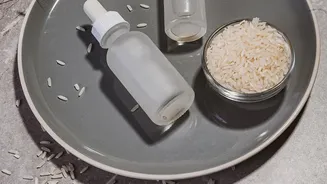
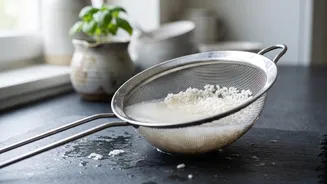
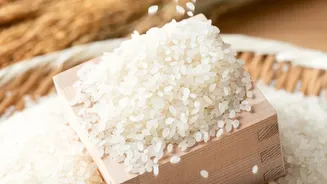
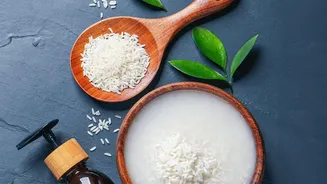
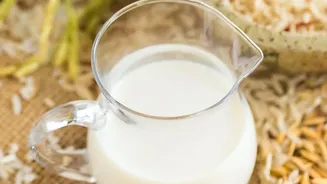
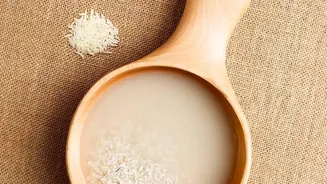
That cloudy liquid you pour down the drain after rinsing rice is packed with beneficial compounds. It’s not a complete fertilizer, but it serves as an excellent, mild supplement. The water contains starches, B vitamins, and trace amounts of essential
macronutrients like nitrogen, phosphorus, and potassium. The real magic lies in the starch, which feeds beneficial microbes in the soil. These microorganisms help break down organic matter, improving soil structure and making existing nutrients more available for the plant’s roots to absorb. Essentially, rice water nourishes the soil ecosystem, which in turn nourishes the plant.
Why 'Delicate' Plants Prefer a Softer Touch
Plants like orchids, ferns, snake plants, and ZZ plants are often considered 'delicate' or sensitive, not because they are weak, but because they are easily overwhelmed. Many of these species have sensitive root systems that are not adapted to a sudden flood of concentrated nutrients. This is where heavy fertiliser pellets can do more harm than good. These pellets are designed to release a high concentration of nutrients over time. For robust, fast-growing plants, this is great. But for a delicate houseplant, it can lead to 'fertiliser burn', a condition where excessive salt from fertilisers damages the roots, causing brown leaf tips, wilting, and stunted growth. Rice water provides a very low dose of nutrients, reducing the risk of overfertilization to almost zero.
The Problem with Potent Pellets
Synthetic fertilisers are composed of salts that can accumulate in potting soil. When these salts build up, they draw moisture out of the plant's roots, effectively dehydrating them even if the soil is damp. This is the primary cause of fertiliser burn, which manifests as scorched-looking leaves and blackened, mushy roots. While slow-release pellets are designed to prevent this, improper application or using them on sensitive plants can still lead to an overdose. Furthermore, an excess of one nutrient, like nitrogen, can force rapid, weak foliage growth that becomes more susceptible to pests and diseases. The gentle, balanced nature of rice water avoids this shock to the system.
How to Use Rice Water Correctly
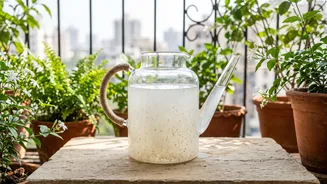
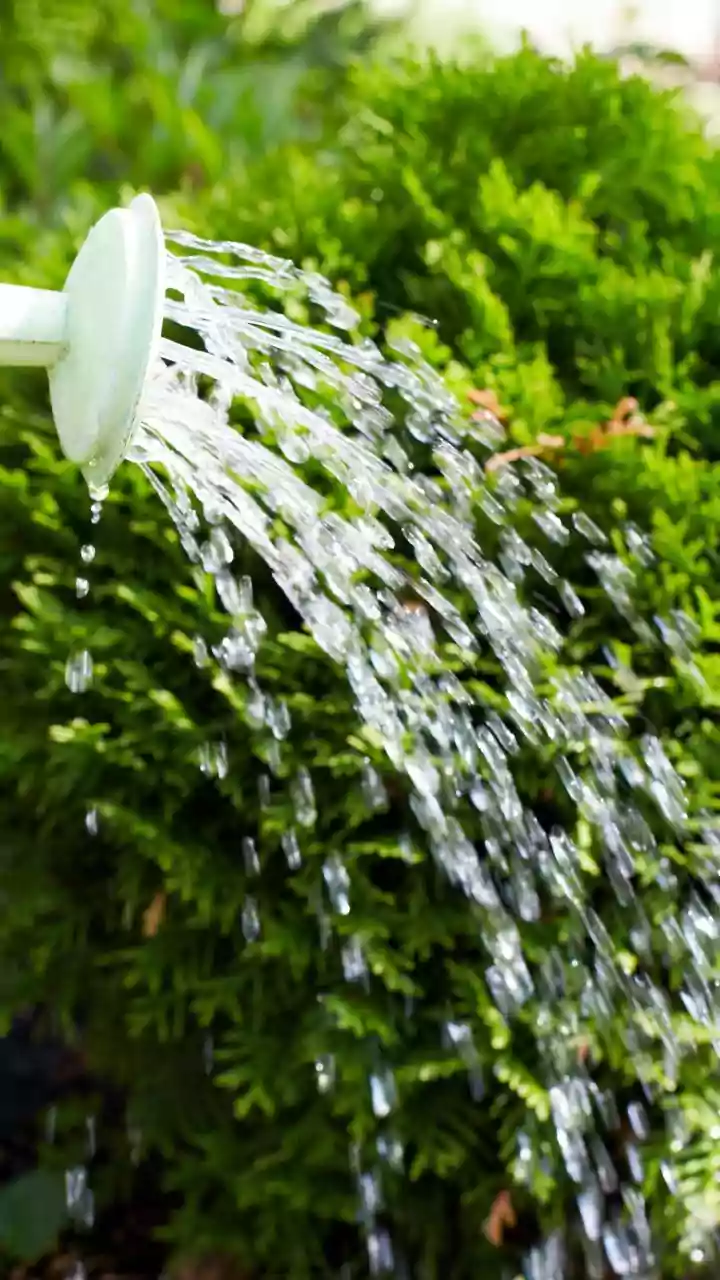
Using rice water is simple, but a few rules ensure the best results. The easiest method is to collect the cloudy water from rinsing uncooked rice. This plain rinse water can be used directly on your plants without dilution, about once every two to four weeks during the growing season. Always use water from rinsing plain, unsalted rice; salt is extremely harmful to plant roots. For an even bigger boost, you can ferment the rice water. To do this, let the rinse water sit in a loosely covered jar at room temperature for two to three days until it develops a slightly sour smell. This fermented liquid is more potent and should be diluted 1:1 with plain water before use. When watering, apply it directly to the soil rather than over the leaves to avoid potential mould growth.
A Supplement, Not a Replacement
It's crucial to remember that rice water is a mild supplement, not a complete fertiliser. While it provides a wonderful boost for soil health and offers trace nutrients, it may not contain everything a plant needs to thrive long-term, especially during periods of active growth. Think of it as a healthy, hydrating snack between balanced meals. For heavy-feeding plants or those showing signs of nutrient deficiency (like widespread yellowing leaves), a balanced, all-purpose fertiliser—used according to the directions—will still be necessary. But for your more sensitive green companions, switching from harsh pellets to a gentle rice water routine can make all the difference, creating a healthier soil environment and happier plants without the risk of a chemical burn.