




Choose Your Destination Wisely
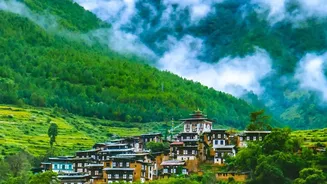
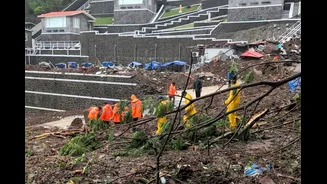
Before booking anything, your first step is crucial research. Not all hill stations are equal during the monsoon. Some are notoriously prone to landslides and road closures. Check the history of areas like the Kullu-Manali corridor, parts of Uttarakhand
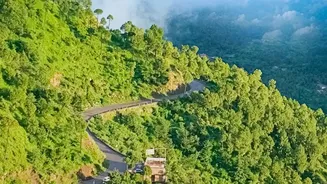
like the Char Dham routes, and Wayanad in Kerala, which can be vulnerable during heavy rains. A safer bet might be destinations with better connectivity and less extreme slopes, such as Kasauli. Always check the latest weather alerts from the India Meteorological Department (IMD) and advisories from the National Disaster Management Authority (NDMA). These official sources provide district-level warnings that are far more reliable than a general forecast. An orange or red alert is a clear sign to postpone your trip.
Pack for Prevention, Not Just a Vacation
Your packing list is your first line of defense against the challenges of monsoon travel. Forget fashion-first choices; think function. Prioritise quick-drying synthetic or nylon clothes over cotton and denim, which stay wet and heavy. A high-quality waterproof jacket or poncho is non-negotiable, as umbrellas are often useless against strong hillside winds. Sturdy, waterproof footwear with deep treads is essential for navigating slippery paths. Pack extra pairs of socks to keep your feet dry and prevent blisters. Your emergency kit should include a first-aid kit with basic medicines, insect repellent, a powerful flashlight, a power bank for your devices, and some ready-to-eat snacks and drinking water. Also, carrying sufficient cash is a wise move, as power outages can affect ATMs and digital payments.
Navigate the Roads with Extreme Caution
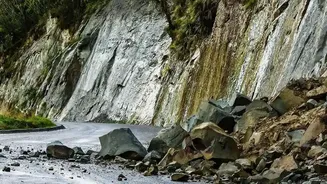
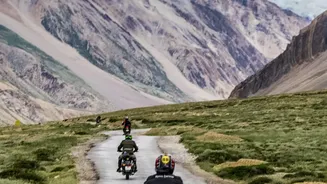
The journey to the hills is often the most hazardous part of a monsoon trip. Before you leave, ensure your vehicle is serviced, paying special attention to tyres, brakes, wipers, and headlights. On the road, defensive driving is key. Reduce your speed, maintain a greater distance from the vehicle ahead, and avoid sudden braking on wet roads. One of the most important rules is to avoid driving in the hills after dark. Rain, fog, and the risk of falling debris make night driving incredibly dangerous. If you encounter a waterlogged patch or a landslide, do not try to force your way through. It's better to wait and assess the situation or turn back. When descending steep slopes, use lower gears for engine braking to avoid overheating your brakes. Always stick to your lane, honk on blind curves, and be prepared for unexpected roadblocks.
Stay Safe at Your Destination
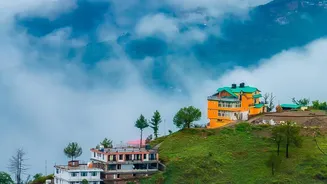
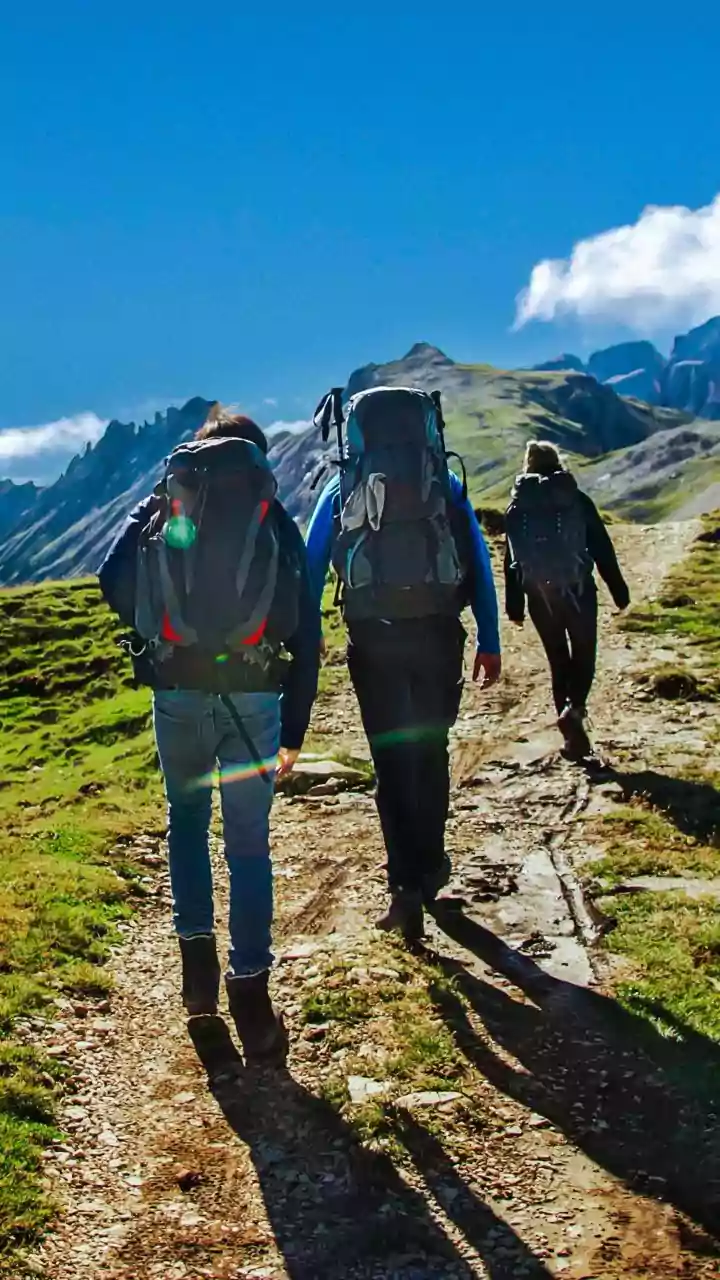
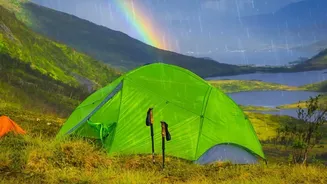
Once you've arrived, the need for vigilance continues. When choosing accommodation, check if it is located away from landslide-prone slopes or overflowing streams. Be wary of trekking or camping near rivers, as water levels can rise unexpectedly fast. It is best to avoid adventurous, off-the-beaten-path trails, which can be mucky and treacherous during the rains. Stick to paved and known paths. Listen to local advice; residents and hotel staff often have the most accurate information about which areas are safe to visit. Finally, be cautious about food and water. To avoid waterborne illnesses, which are more common during the monsoon, stick to bottled water and eat freshly cooked, hot food. Avoid street food that has been left uncovered.