



If the thought of navigating long queues, chaotic security lines, and the general uncertainty of air travel fills you with dread, you are far from alone. A new report confirms just how widespread this feeling is, and the numbers are startling.
The Data Behind the Dread
According
to the 2026 Passenger IT Insights report by aviation technology company SITA, a staggering 42% of travellers have decided against booking a trip specifically because they anticipated the airport experience would be too stressful. The survey, which gathered responses from nearly 8,000 passengers across 24 countries, paints a clear picture of an industry grappling with a significant customer pain point. The issue is even more pronounced among the most valuable demographics: six in ten frequent flyers and more than half of travellers under the age of 30 have opted out of a journey due to expected stress. This suggests that the very individuals the travel industry relies on most are the ones most likely to be deterred.
Pinpointing the Stress Triggers
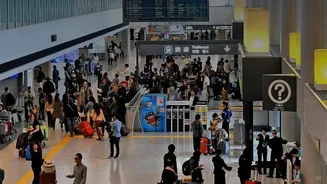
The SITA report identifies the primary sources of this anxiety, and they will be familiar to anyone who has flown recently. Delays, long waiting times, and worries about baggage handling are chief among the concerns. A key theme emerging from the data is the stress of the unknown. 'Most of it comes down to not knowing what happens next,' said SITA CEO David Lavorel in a statement accompanying the report. This uncertainty is most acute during the 'dwell time'—the period between clearing security and boarding the plane. One-third of passengers now report feeling anxious during this phase, a figure that has tripled since 2023. The combination of crowds, noise, and the pressure to get to the gate on time creates a perfect storm for anxiety.
Technology as a Calming Force
While stress is a major deterrent, travellers are optimistic that technology can provide a solution. An overwhelming eight in ten passengers believe digital tools can make air travel less stressful. This confidence is even higher among frequent flyers (89%) and younger travellers (86%). The report highlights how real-time information shared via passenger smartphones can transform the experience. Simple updates on queue lengths, accurate walking times to gates, and instant notifications about changes or delays can give passengers a sense of control. The United Arab Emirates was cited as a positive example, where 77% of passengers used technology at border control and reported significantly lower negative emotions compared to the global average.
Plan Ahead to Reduce Panic
While the industry works on large-scale tech solutions, there are numerous practical steps you can take right now. The most effective strategy is thorough preparation. Arriving at the airport with plenty of time to spare is a foundational step to reduce the feeling of being rushed. The TSA's recommendation of two hours for domestic flights and three for international is a good baseline. Before you leave home, use your airline’s app to check in and monitor your flight status. Prepare all necessary documents in a single, easily accessible place. Some airports are even rolling out programs that allow you to pre-book a time slot for security, which can be a game-changer for avoiding queues.
Mastering the Airport Environment
Once at the airport, focus on managing your immediate surroundings and mindset. If you feel overwhelmed by the noise and crowds, use noise-reducing earplugs or headphones with a calming playlist. Staying hydrated with water and eating light, healthy snacks can prevent energy dips and mood swings that exacerbate stress; it's best to avoid caffeine and alcohol, which can heighten anxiety. If you find yourself with a long wait, take a walk through the terminal. Light physical activity can boost circulation and relax your muscles. Many airports now also have designated quiet zones, meditation rooms, or multi-faith prayer rooms that offer a peaceful escape from the chaos.