

What Exactly is Terroir?
Before we journey to India’s coffee heartlands, let's unpack the term 'terroir'. Borrowed from the world of wine, terroir refers to the complete natural environment in which a plant is grown. It’s a combination of factors that give a coffee its unique
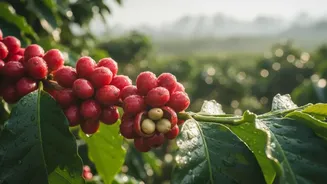
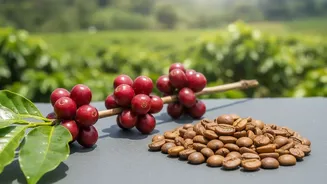
character long before it reaches the roaster. Think of it as a recipe created by nature, with key ingredients including altitude, soil composition, rainfall, temperature patterns, and even the surrounding vegetation. A coffee plant grown at high altitude, for instance, often matures more slowly, allowing its beans to develop more complex sugars and brighter acidity. Volcanic soil might impart different minerals than iron-rich red soil. In short, terroir is why the exact same Arabica plant can taste dramatically different depending on whether it grew in one valley or another. It’s the signature of the land itself.
Chikmagalur: A Legacy of Spice and Chocolate
Our first stop is Chikmagalur in Karnataka, the undisputed birthplace of Indian coffee. Legend holds that in the 17th century, the saint Baba Budan planted the first seven coffee seeds here after a pilgrimage. This region, nestled in the Western Ghats, has a terroir defined by its moderate altitude (around 3,400 feet), ample monsoon rainfall, and fertile volcanic soil. A key characteristic of Chikmagalur's terroir is the practice of shade-growing. Coffee plants thrive under a canopy of native trees, often alongside spices like pepper and cardamom. This intercropping isn't just for biodiversity; it subtly influences the final cup. The result is an Arabica roast that is typically mild, smooth, and well-balanced. Coffee lovers often describe Chikmagalur beans as having comforting notes of chocolate, nuts, and a gentle, lingering spice, a direct reflection of their rich, shaded environment.
Araku Valley: Bright, Fruity, and Biodiverse
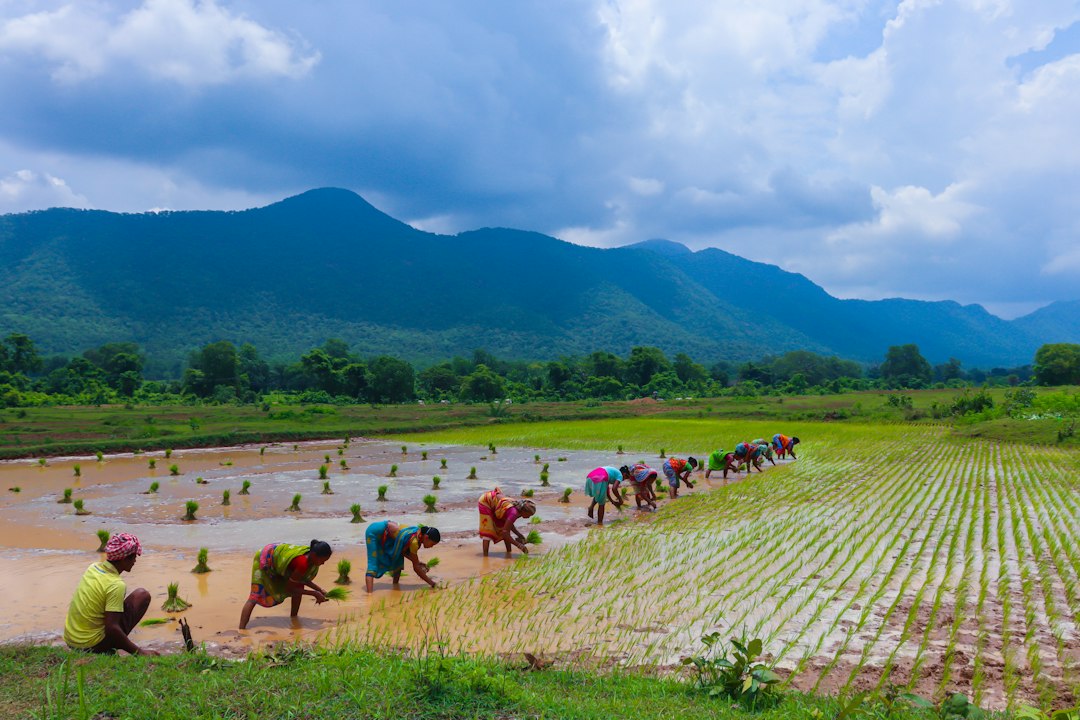
Now, let’s travel to the Eastern Ghats of Andhra Pradesh, to the Araku Valley. Though a newer player on the specialty coffee scene, Araku has gained global acclaim for its unique approach and distinct flavor. The terroir here is fundamentally different. The altitude is generally higher, ranging from 900 to 1300 meters, with cooler nights that slow down the coffee cherry's maturation process. The soil is naturally rich in iron, giving it a characteristic red color. What truly sets Araku apart is its agricultural philosophy. Cultivated by local tribal communities, the coffee is almost entirely organic and often grown using biodynamic principles, in harmony with a forest ecosystem of fruit trees like mango and jackfruit. This clean, chemical-free environment and higher altitude produce a coffee that is bright, acidic, and complex. Tasting notes for Araku Arabica frequently feature vibrant, fruity, and even floral tones—think citrus, plum, or stone fruit, often with a sweet jaggery-like finish.
Tasting the Landscape in Your Cup
When you taste single-origin coffees from Chikmagalur and Araku Valley side-by-side, you are experiencing terroir in action. The Chikmagalur roast, with its classic, balanced profile, speaks of its lower, spice-laden hillsides—it’s a comforting, chocolatey cup. The Araku roast, in contrast, offers a vibrant, wine-like acidity and fruity brightness that tells the story of its high-altitude, biodiverse, and pristine ecosystem in the Eastern Ghats. The former is grounded and classic; the latter is zesty and modern. One is a product of a long legacy of cultivation in the Western Ghats, while the other represents a new wave of organic, community-driven farming. The difference isn't about one being 'better' than the other; it's about appreciating the incredible diversity of flavor that India’s distinct landscapes can produce from the very same species of plant.