





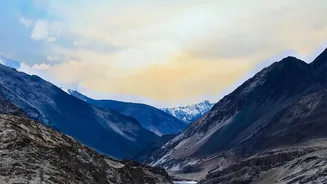
Understanding High-Altitude Sickness
The primary health risk in Spiti is Acute Mountain Sickness (AMS). It occurs due to lower oxygen levels and reduced air pressure at high altitudes. Symptoms are often mild, including headaches, dizziness, fatigue, nausea, and difficulty sleeping. However,
ignoring AMS can lead to severe, life-threatening conditions like High-Altitude Cerebral Edema (HACE) or High-Altitude Pulmonary Edema (HAPE), which affect the brain and lungs, respectively. The key to avoiding AMS is not about physical fitness but about allowing your body enough time to adjust to the altitude.
The Golden Rule: Acclimatise Slowly
Gradual ascent is the most effective way to prevent AMS. Plan your itinerary to avoid gaining too much altitude too quickly. The Shimla-Kaza route is highly recommended for this reason, as it allows for a more gradual climb compared to the Manali-Kaza route. Spend at least one or two nights at a lower-altitude town like Kalpa or Nako before proceeding to Kaza (around 3,800 meters). Once you are above 3,000 meters, try not to increase your sleeping altitude by more than 300-500 meters per night. Hydration is crucial; aim to drink 4-5 litres of water daily. Avoid alcohol and smoking, as they can interfere with acclimatisation.
Vehicle Preparation for Rugged Roads
Spiti’s terrain is unforgiving, and a vehicle breakdown can be a serious issue. Before your trip, get your car thoroughly serviced. Pay special attention to brakes, tyres, engine performance, and the cooling system. Ensure your tyres have good tread, and consider All-Terrain (AT) tyres for better grip on gravel and unpaved sections. A high-ground-clearance vehicle is advantageous. Carry a complete toolkit, a reliable jack, a spare tyre in good condition, and a puncture repair kit. Extra engine oil and coolant are also wise additions.
Autumn-Specific Packing Essentials
Autumn weather in Spiti is unpredictable. Days can be sunny, but temperatures drop sharply at night, often below freezing. Layering is key. Your packing list should include thermal inners, fleece jackets, and a windproof and waterproof outer jacket. Don't forget woollen socks, gloves, and a beanie or balaclava to protect against cold winds, especially at high passes like Kunzum La. The sun's UV rays are harsh at altitude, so high-SPF sunscreen (SPF 50+), sunglasses, and a wide-brimmed hat are non-negotiable. Sturdy, waterproof trekking shoes with good grip are essential for the uneven terrain.
Navigating the Passes: Driving Tips
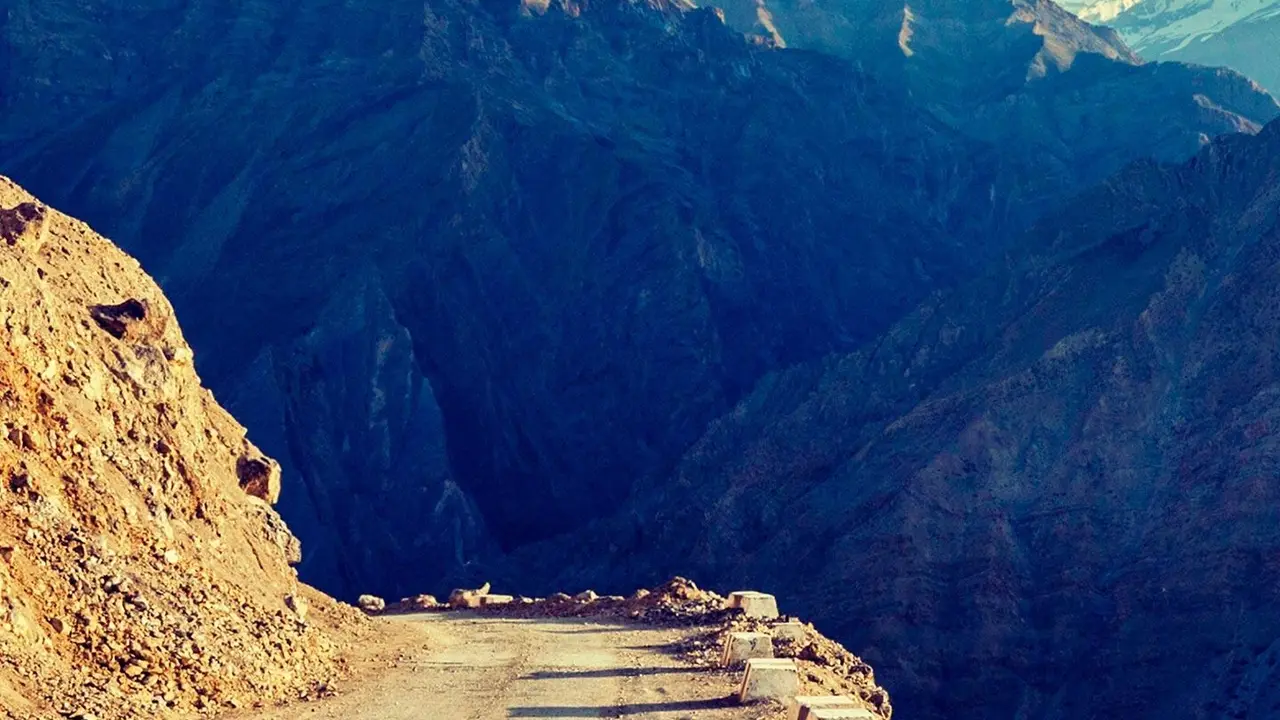
Driving on Spiti's narrow, winding roads requires immense focus and caution. Maintain a steady, slow speed and avoid sudden acceleration or braking, especially on gravel sections. Be wary of black ice in shaded areas, a common risk in late October and November. Always start your driving day early to maximize daylight hours and avoid driving at night. The Manali-Kaza route via Kunzum Pass often closes by mid-to-late October due to snowfall, so verify road status before you travel. If you are not an experienced mountain driver, hiring a local driver is the safest option.
Emergency Preparedness
Services in Spiti are limited. Carry a comprehensive first-aid kit with basic medicines for headache, fever, and stomach issues, plus any personal medications. Include Diamox for AMS, but consult your doctor before taking it. Medical facilities are basic; the main hospitals are in Keylong and Kaza, with smaller health centres in other villages. Always carry more cash than you think you'll need, as ATMs are scarce and often don't work. BSNL and Jio offer the best mobile connectivity, but it's patchy, so download offline maps in advance. Keep a list of emergency contacts, including local police stations in Keylong and Kaza.