


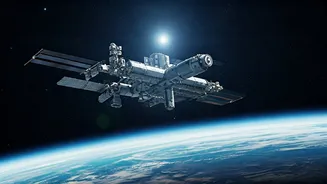


The Most Expensive Thing Ever Built
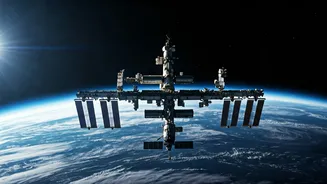
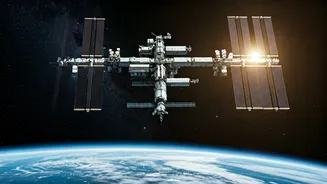
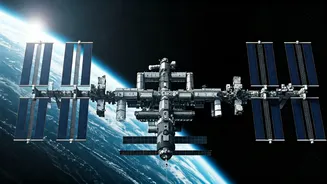
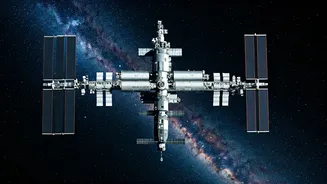
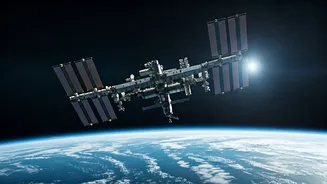
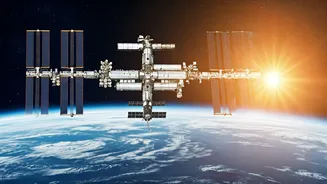
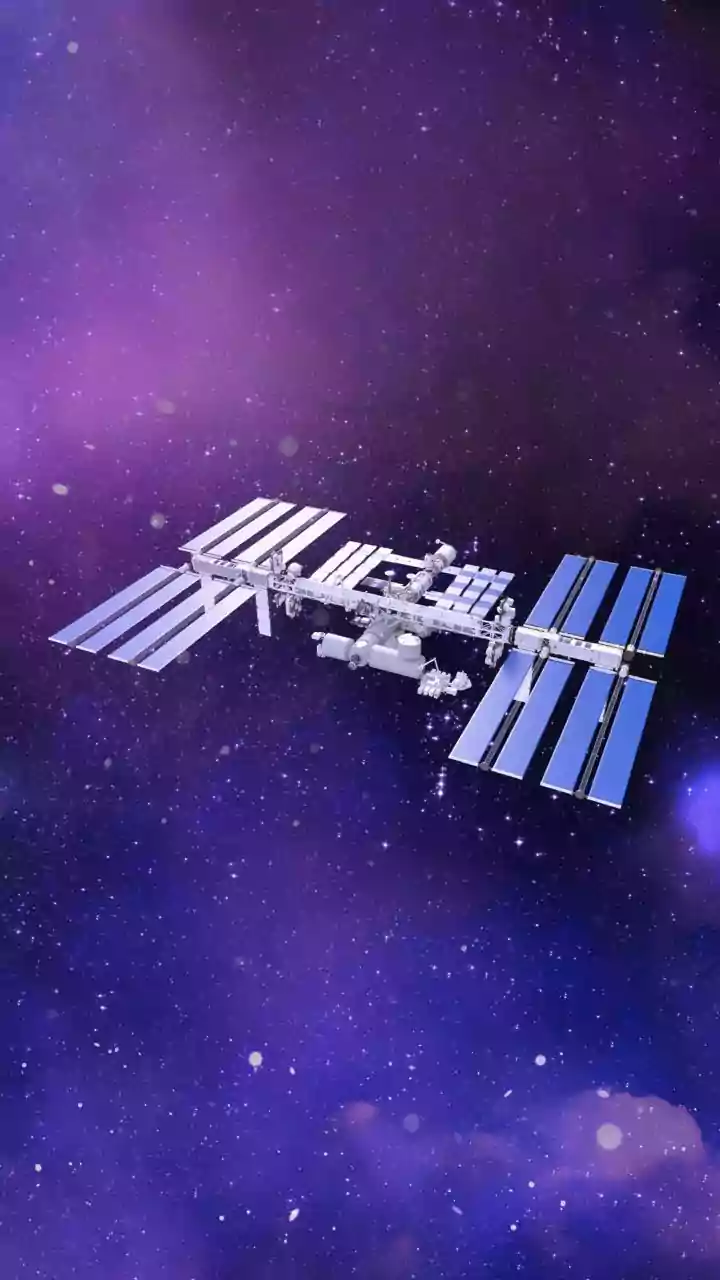
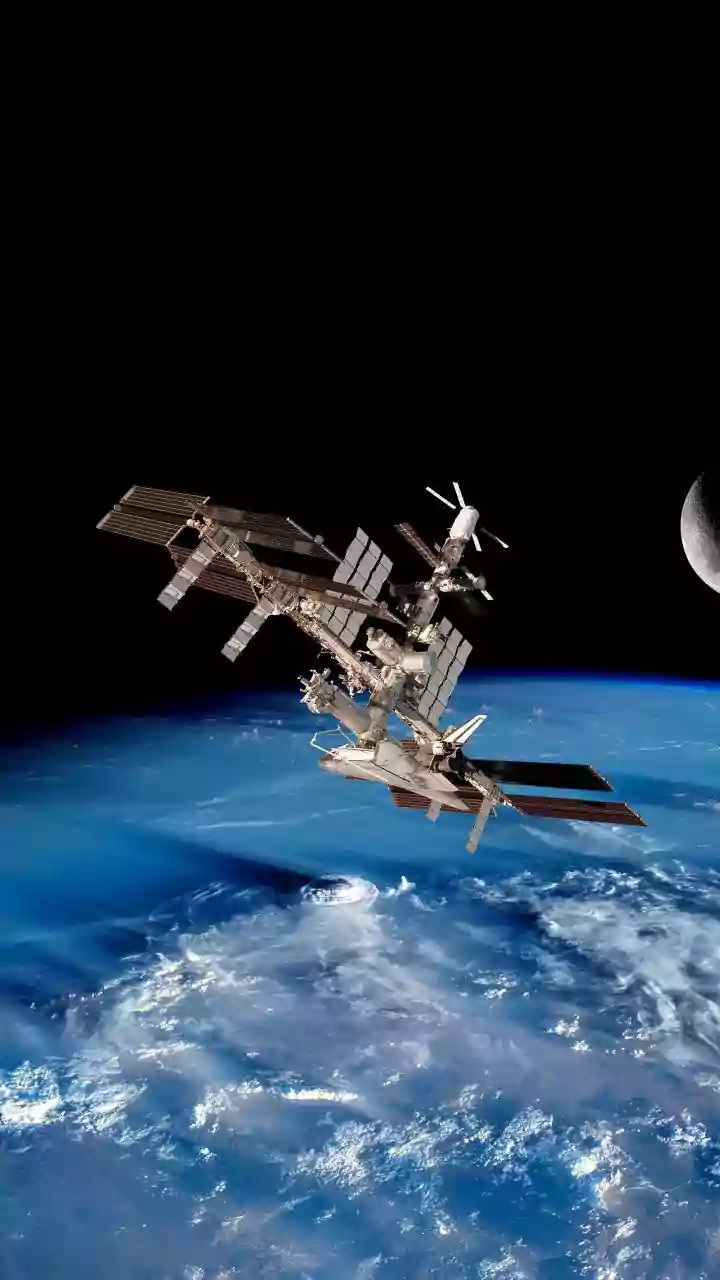
Floating 400 kilometres above our heads is the single most expensive object humanity has ever constructed: the International Space Station (ISS). With a price tag estimated at around $150 billion, this orbiting laboratory is a testament to global collaboration.
The cost was shared by 15 nations, including the United States, Russia, Canada, Japan, and several European countries. Assembled piece by piece in orbit over decades, the ISS represents not just a scientific outpost but a monumental financial undertaking, making it the undisputed champion of costly constructions.
The Price of a Trip to the Moon
Landing the first humans on the Moon was a defining moment of the 20th century, and it came with a historic bill. The Apollo program, which ran from 1960 to 1973, cost the United States $25.8 billion. When adjusted for inflation to modern dollars, that figure skyrockets to between $280 billion and $338 billion. At its peak, spending on the program was a significant portion of the national budget, funding everything from the colossal Saturn V rockets to the lunar landers. This massive investment not only achieved its goal but also spurred countless technological innovations we use today.
A 'Bargain' Telescope for $10 Billion
The James Webb Space Telescope (JWST), which has been dazzling the world with its cosmic images, is another big-ticket item. NASA’s cost for the telescope is projected to be $9.7 billion over its 24-year lifespan, which includes development and five years of operations. This doesn't even include contributions from the European and Canadian space agencies. Though it faced significant delays and cost overruns from its initial budget of around $1 billion, the scientific returns are considered priceless, offering a glimpse into the universe's distant past.
The Cost of a Tourist Ticket to Space
For those with deep pockets, the dream of becoming an astronaut is now a reality, but it's not cheap. A seat on a Virgin Galactic suborbital flight, offering a few minutes of weightlessness, recently reopened with a price of $750,000. Competitor Blue Origin has seen auction prices for a seat on its New Shepard rocket go as high as $28 million for its first flight, though regular seats are expected to be much less. For a more extended stay, a trip to the ISS with Axiom Space via a SpaceX rocket could set you back a cool $55 million.
Mining an Asteroid Worth More Than The Global Economy
The next frontier for cosmic fortunes might be asteroid mining. One particular asteroid, named 16 Psyche, is estimated to contain metals worth a mind-boggling $10 quintillion. That's $10,000,000,000,000,000,000. Located in the asteroid belt between Mars and Jupiter, it is thought to be the exposed iron core of an ancient planetesimal. While the technology to mine an asteroid and return its resources doesn't exist yet, NASA has already launched a mission to study it, signalling a serious interest in the untold riches of the solar system.
India’s Frugal Space Powerhouse
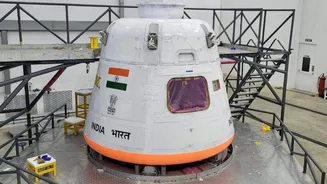
In a field dominated by colossal budgets, the Indian Space Research Organisation (ISRO) has carved out a reputation for cost-effective success. ISRO's annual budget is around $1.5 to $1.9 billion, a fraction of NASA’s budget of over $25 billion. Despite this, ISRO has achieved remarkable feats, such as its Mars Orbiter Mission (Mangalyaan), which cost only $74 million — less than the production budget of many Hollywood space movies. This frugal engineering approach has made India a major player in the global space economy.