



The Power of Contrast
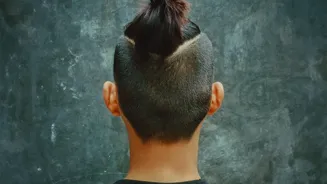
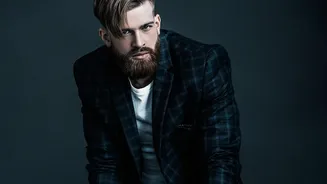
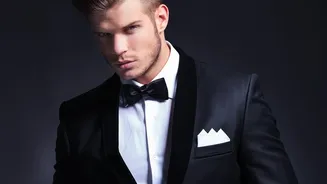
The core principle behind the undercut is contrast. The style is defined by short hair on the sides and back of the head, with significantly more length left on top. This creates a strong, disconnected look that puts all the focus on the volume and style of the hair on top and,
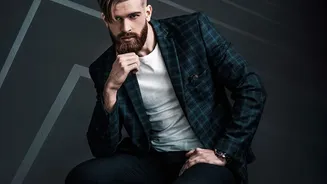
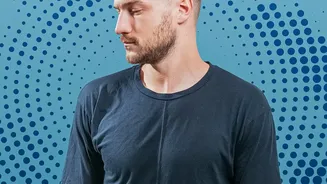
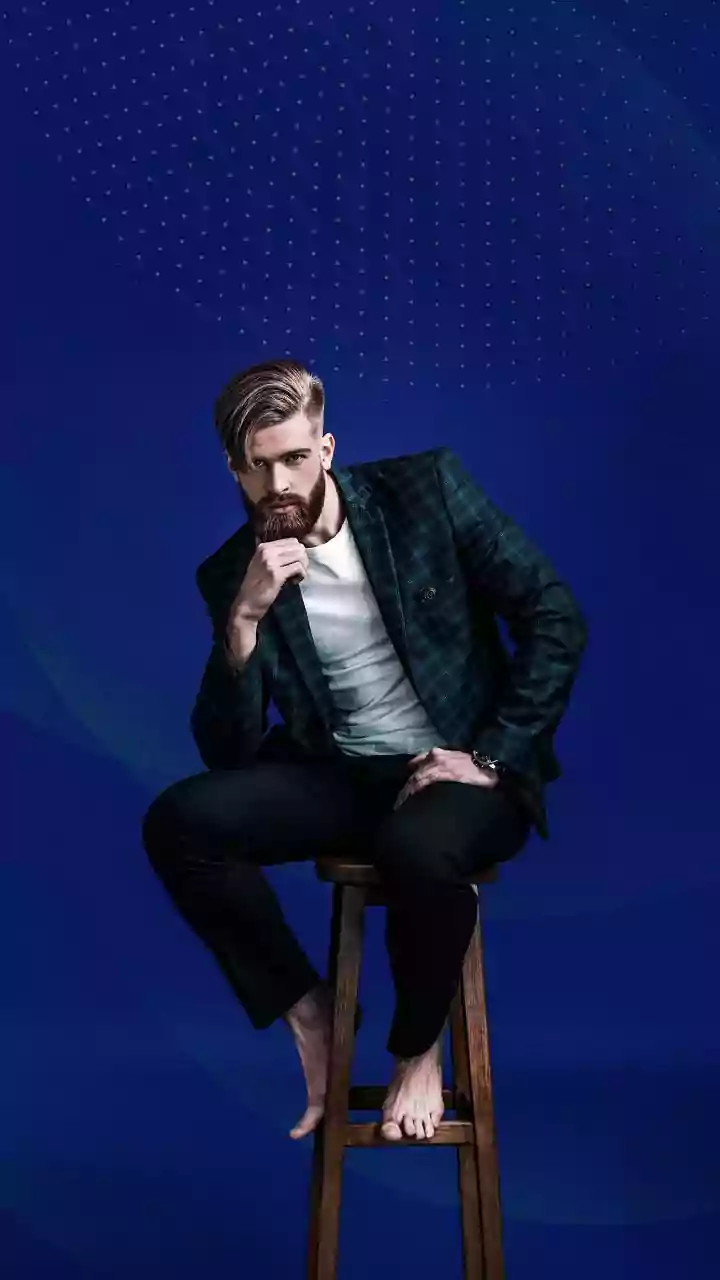
crucially, on your facial features. When paired with a beard, this effect is amplified. The clean, sharp lines of the buzzed sides act like a frame, removing visual bulk from the side of your head. This makes your jawline appear more angular and defined. The beard adds weight and presence to the lower half of your face, while the clean sides ensure the overall silhouette remains sharp and not overgrown. It’s a grooming strategy that enhances facial symmetry and projects control and intention.
What Exactly Is an Undercut?
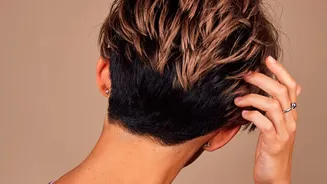
An undercut is characterized by a distinct separation between the long top and the short sides, unlike a fade, which blends gradually. There are several popular variations. A 'disconnected' undercut has a very sharp, visible line where the long hair meets the shaved sides, creating a dramatic, edgy effect. A 'faded' undercut softens this by tapering the sides from short to shorter, often down to the skin, which can look more polished and grows out cleanly. The length on top can range from a few inches, suitable for a textured crop or slicked-back style, to much longer, allowing for a pompadour or even a man bun. This versatility is a key part of its appeal, as it can be adapted to suit different hair types, from straight to curly, and various personal styles.
Pairing the Cut with Your Beard
The success of the undercut-and-beard combination lies in how the two elements connect. The transition point is the sideburn. You can ask your barber to blend or taper the sideburns seamlessly into the beard, which creates a cohesive, flowing look. This works especially well if the sides of your haircut are faded. Alternatively, you can opt for a more distinct separation between the haircut and the beard, which can accentuate the disconnected nature of the style. The proportion is key; a short, neat beard pairs well with almost any undercut for a clean, modern finish. A very long beard can sometimes look unbalanced with the extreme shortness of the sides, so it's important to consider the overall harmony between the hair on your head and your face.
How to Ask Your Barber for This Look
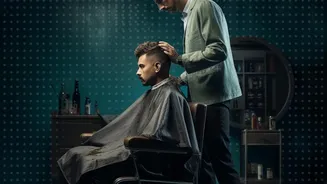
Clear communication with your barber is essential to getting the cut you want. Simply asking for 'short on the sides, long on top' is too vague. Instead, bring two or three reference photos showing the style from different angles on someone with a similar hair texture to yours. Use specific language. For the sides, specify a clipper guard number (e.g., 'a number 2 on the sides') or the type of fade ('a mid skin fade'). For the top, state how much length you want to keep in inches or by showing with your fingers. Finally, be explicit about the beard. Say something like, 'I'd like to blend the sideburns into the beard and keep the beard line sharp on my neck'. This level of detail ensures you and your barber are on the same page from the start.